Autophagy Fertility For Superior Egg & Sperm Quality, and Higher Conception Success
In the world of fertility, the conversation has shifted dramatically. Prenatal vitamins—once the gold standard—are no longer enough for couples serious about conception, especially those navigating advanced maternal age, male factor challenges, or IVF journeys. Today’s research-driven individuals (women 30–45 delaying childbearing for career reasons, men 30–45 facing the often-underdiscussed 55% contribution to infertility cases, and TTC community members) are turning to preconception optimization at the cellular level. At the heart of this revolution is autophagy—the body’s Nobel Prize-winning cellular “cleanup and recycling” system that directly influences egg quality, sperm health, oxidative stress mitigation, and overall reproductive success.

At Progeny Brands, we champion this shift with Fertility Autophagy as the cornerstone of true preconception health. Our liposomal spermidine is formulated for maximum bioavailability, delivering the potent autophagy inducer your reproductive cells need during the critical 74-day spermatogenesis cycle and ovarian follicle development window. This pillar page dives deep into the science, evidence, and practical protocol—backed by dozens of peer-reviewed studies—so you can take control of your cellular fertility future.
Why Autophagy Matters More Than Ever for Conception
Autophagy (from Greek “self-eating”) is the process by which cells degrade and recycle damaged components—damaged mitochondria, misfolded proteins, and oxidative debris—into fresh building blocks. Discovered and mechanistically decoded by Yoshinori Ohsumi (2016 Nobel Prize in Physiology or Medicine), autophagy is now recognized as essential for embryo development, cell differentiation, and reproductive longevity. In reproductive cells, it becomes mitophagy—the selective removal of dysfunctional mitochondria—which is critical because oocytes and sperm are extraordinarily energy-demanding and vulnerable to age-related mitochondrial decline.
For women 35+, egg quality plummets not just from fewer follicles but from accumulating oxidative stress and mitochondrial dysfunction. For men, oxidative stress drives sperm DNA fragmentation, poor motility, and morphology issues that account for up to 55% of infertility. Autophagy restores cellular resilience, reduces DNA damage, and improves fertilization potential—exactly what proactive, science-backed couples are seeking.
Ready to optimize? Explore our Autophagy-Optimized Conception Protocol or learn why Liposomal outperforms regular spermidine.
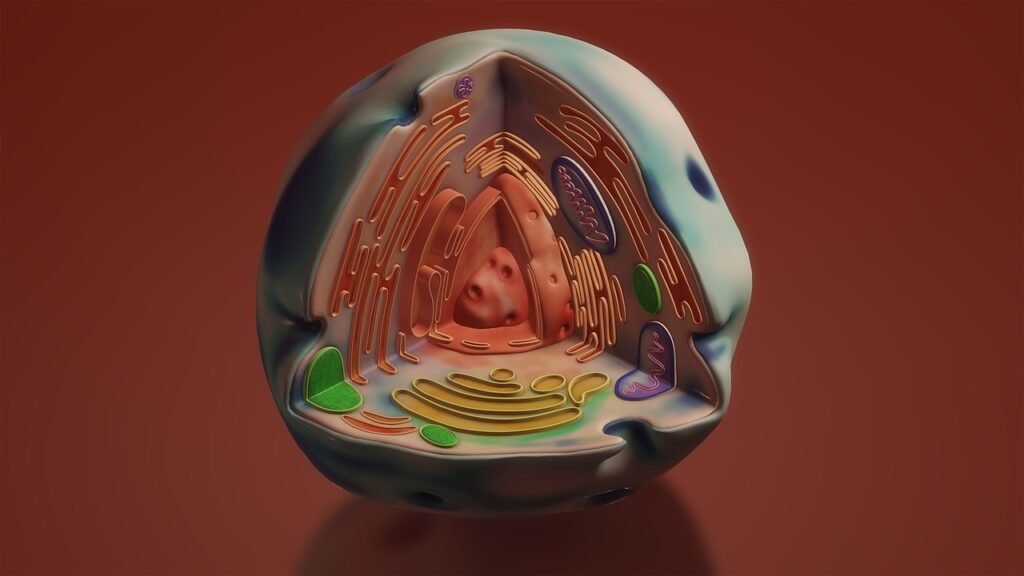
Autophagy 101: The Nobel-Winning Cellular Renewal Process
Autophagy is your cells’ built-in housekeeping system. Under nutrient stress or cellular damage, double-membrane vesicles called autophagosomes engulf damaged organelles and proteins, fuse with lysosomes, and recycle the contents for energy and repair. This prevents toxic buildup and maintains mitochondrial health—vital for every stage of reproduction.
Key regulators include:
- mTOR (inhibited during fasting or spermidine exposure to trigger autophagy)
- AMPK (activated by energy scarcity)
- LC3B-II (a measurable marker of autophagosome formation)
In fertility contexts, autophagy is fertilization-dependent and peaks during oocyte maturation and early embryogenesis. Disruption leads to poor oocyte quality, reduced fertilization rates, and higher aneuploidy risk—especially in advanced maternal age.
Pro Tip for TTC Couples: Autophagy isn’t just “on or off.” It’s dose- and timing-dependent. The 90-day preconception window aligns perfectly with natural reproductive cycles, making consistent autophagy support (via Liposomal spermidine) a low-cost, high-impact strategy—especially when IVF can cost tens of thousands while targeted supplements represent just 1% of that investment.
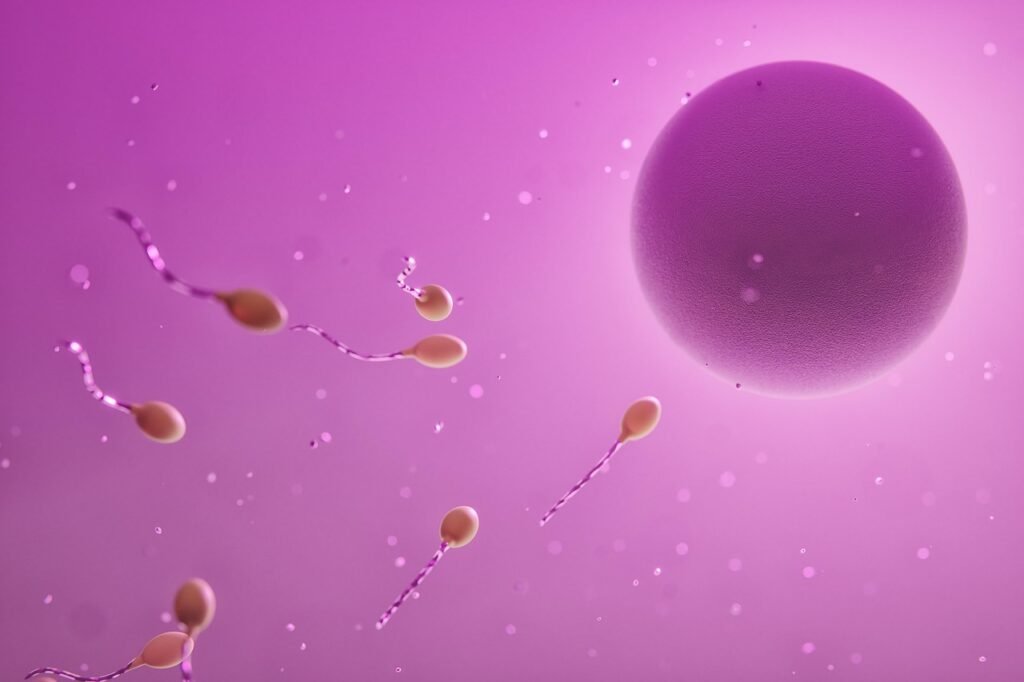
Mitophagy in Reproductive Cells: Why Oocytes and Sperm Live or Die by Mitochondrial Quality
Oocytes contain 100,000–600,000 mitochondria—far more than any other cell—because they must power early embryonic divisions before the embryo’s own genome activates. Sperm rely on mitochondrial energy in the midpiece for motility. Over time, these mitochondria accumulate damage from reactive oxygen species (ROS), leading to oxidative stress—the hidden saboteur of conception.
Mitophagy selectively clears defective mitochondria via PINK1/Parkin pathways or receptor-mediated routes (e.g., BNIP3, FUNDC1). Studies show:
- Oocyte mitophagy is critical for extended reproductive longevity; impaired mitophagy shortens the fertile window.
- In aged oocytes, reduced mitophagy leads to mitochondrial dysfunction, DNA damage, and aneuploidy. Boosting autophagy reduces DNA damage and improves egg quality.
In sperm, mitophagy maintains motility and morphology while protecting DNA integrity. Oxidative stress is a primary driver of male infertility; autophagy counters it by clearing damaged components.
Age-Related Autophagy Fertility Decline: The Root Cause of Dropping Egg Quality, Sperm DNA Integrity, and Oxidative Stress
By age 35–40, ovarian reserve and egg quality decline sharply. Key culprit? Declining autophagic flux. Aged oocytes show:
- Reduced LC3-II levels and impaired mitophagy
- Accumulated damaged mitochondria and ROS
- Increased follicular atresia and DNA damage
Rubicon (an autophagy inhibitor) rises with age, suppressing flux and worsening oxidative stress in granulosa cells and oocytes. In men, age-related oxidative stress fragments sperm DNA and impairs motility—yet male attitudes toward fertility supplements often lag, leaving 55% of cases under-addressed.
The good news: Autophagy Fertility is inducible. Restoring it via spermidine or fasting-mimicking diets (FMD) reverses these declines in animal models and shows promise in human metabolic markers.
Science-Backed Evidence: Autophagy Restoration Improves Oocyte Maturation, Fertilization Rates, Sperm Parameters, and Live Birth Outcomes
Decades of research confirm autophagy fertility benefits. Here are pivotal studies (with direct links for your research):
Oocyte Quality & Female Fertility
- Zhang et al. (2023, Nature Aging): Spermidine levels drop in aged ovaries. Supplementation rejuvenates oocyte quality by enhancing mitophagy and mitochondrial function in mice and porcine models under oxidative stress. It improved follicle development, maturation, embryonic development, and fertility outcomes. Mechanism conserved across species.
- 2024–2025 Studies: Boosting autophagy in DNA-damaged or aged eggs reduces aneuploidy and improves quality. Autophagy stimulation is a promising therapeutic target.
- Reviews confirm autophagy modulates oxidative stress responses in oocytes, promoting longevity and countering reproductive aging.
Male Factor Infertility & Spermidine
- Spermidine ameliorates spermatogenic disorders, protects against oxidative stress, and improves sperm motility/morphology/DNA integrity. It rescues testicular dysfunction in models of induced damage.
- Oxidative stress is the major driver of male infertility; autophagy clears the damage.
Fasting-Mimicking Diet & Human Autophagy Markers (2025 Pilot RCT): FMD significantly improved autophagic flux (LC3B-II/I ratio) and metabolic health markers (glucose, insulin, HOMA-IR, BHB) in humans—directly relevant to preconception metabolic reset.
IVF Synergy: 70% of fertility patients use supplements; autophagy support complements treatments at a fraction of the cost.
Full study tables and deeper dives are in our supporting blogs, including Oxidative Stress: The Hidden Saboteur and Mitophagy and Egg Quality.
Induction Strategies: Spermidine (Liposomal Advantage), Diet, Fasting-Mimicking, Exercise, Sleep, and Synergists
1. Liposomal Spermidine – Spermidine is the star autophagy inducer. It inhibits mTOR, upregulates mitophagy genes, and crosses the blood-ovary/testis barriers effectively. Regular spermidine has poor bioavailability; Liposomal uses lipid encapsulation for superior absorption and cellular delivery—ideal for reproductive tissues. Learn more: The Science of Spermidine and Fertility.
2. Fasting-Mimicking Diet (FMD) 5-day cycles (e.g., ProLon-style) boost autophagic flux without full fasting risks. Human data show improved markers—perfect for preconception.
3. Lifestyle Synergists
- Exercise (moderate) and quality sleep enhance autophagy.
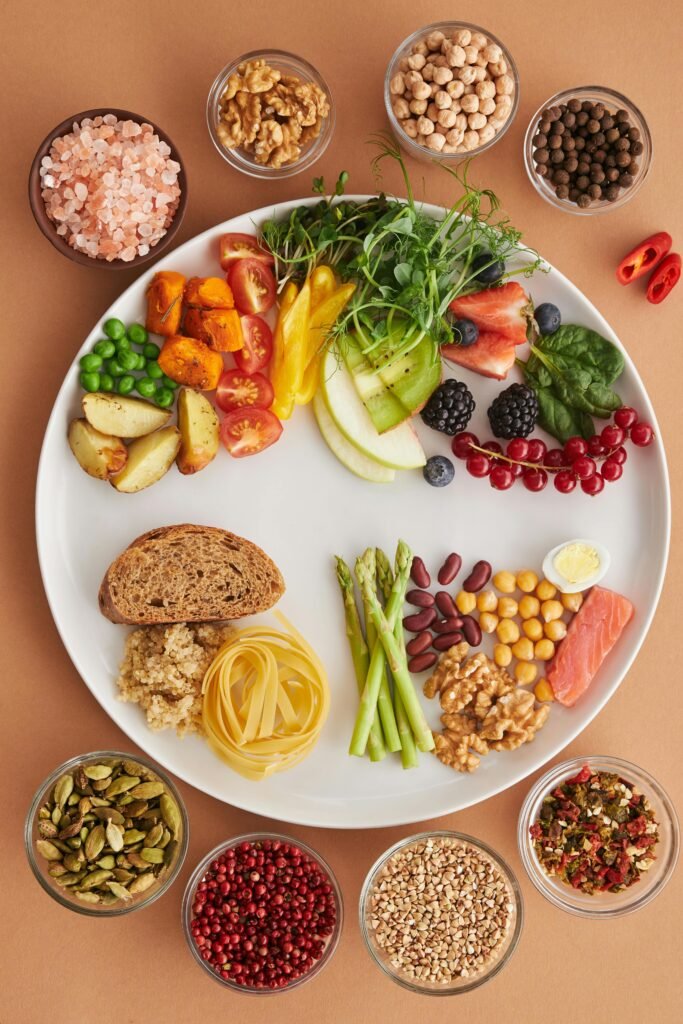
- Antioxidant-rich diet (polyamine sources: wheat germ, aged cheese, mushrooms) + our clean-label Liposomal blend.
Safety Note: Always disclose supplements to your fertility doctor (45% of patients don’t).
The Full Autophagy-Optimized Conception Protocol (90-Day Timeline)
Aligns with spermatogenesis (74 days) and follicle development:
- Days 1–30: Baseline testing (AMH, semen analysis, oxidative stress markers if available) + daily Liposomal blend (per label) + optional FMD cycle.
- Days 31–60: Continue + add moderate exercise, 12–16 hr overnight fasting.
- Days 61–90: Maintenance + re-testing. Ideal for natural TTC or IVF prep.
Download checklists in our full protocol blog.
Special Considerations: Advanced Maternal Age, Male Factor, IVF Support, Safety & Doctor Disclosure
- Advanced Maternal Age (35–45): Autophagy directly combats egg quality decline.
- Male Factor: 55% of cases—spermidine shows strong protective effects.
- IVF Compatibility: Low-cost insurance for better outcomes.
- Discretion & Clean Label: Our vegan, non-GMO formula fits high-income, research-driven lifestyles.
Real-World Results, FAQs, and Next Steps
Couples using autophagy-focused preconception report improved lab markers, higher energy, and greater confidence heading into conception or IVF. While individual results vary, the science is clear: cellular optimization works.
Frequently Asked Question:
Q: Is autophagy safe during TTC? A: Yes—when induced naturally or via evidence-based spermidine/FMD. Avoid extreme fasting if pregnant or trying.
Q: How does Liposomal differ? A: True liposomal delivery = superior bioavailability vs. standard forms. See comparison here.
Ready to Optimize? Shop 90-day fertility bundles today—your cellular fertility insurance. Questions? Reach our team or consult your fertility specialist.
Pingback: The Autophagy Fertility Optimized Conception Protocol - progenybrands.com
Pingback: Mitophagy and Egg Quality: Reversing Age-Related Mitochondrial Decline - progenybrands.com
Pingback: Oxidative Stress: The Hidden Saboteur of Conception and How to Fight It - progenybrands.com
Pingback: How to Improve Egg Quality After 35 - progenybrands.com
Pingback: Spermidine and Male Factor Infertility - progenybrands.com
Pingback: Fasting-Mimicking Diet for Autophagy: Human Markers and Preconception Results - progenybrands.com
Pingback: Cellular Fertility Optimization: Unlocking Healthier Eggs, Sperm, and Conception at the Cellular Level - progenybrands.com
Pingback: Cellular Renewal Fertility: Unlocking Healthier Eggs, Sperm, and Conception Through Autophagy - progenybrands.com
Pingback: Autophagy, Embryo Quality, and Implantation Success: The Cellular Renewal Process Powering Better IVF - progenybrands.com
Pingback: Polyamine Fertility Support: Unlocking Preconception Optimization Through Cellular Renewal and Autophagy - progenybrands.com
Pingback: Mitophagy and Egg Quality: Reversing Mitochondrial Decline Naturally After Age 35 - progenybrands.com
Pingback: Conception Strategies for Advanced Maternal Age and Women Over 35 - progenybrands.com
Pingback: Best Fertility Supplements for Women Over 35: A Guide to Advanced Maternal Preconception - progenybrands.com
Pingback: Autophagy Biomarkers: What to Test Before and After Preconception Optimization - progenybrands.com
Pingback: How to Boost Your Fertility as a Woman: Science-Backed Strategies for 2026 - progenybrands.com