
At Progeny Brands, fertility is optimized at the cellular level. For women 35 and older—especially career-focused professionals who have delayed childbearing—egg quality is often the biggest barrier to conception. The good news? Mitochondrial decline in oocytes isn’t inevitable. Through mitophagy, your body’s specialized form of autophagy that clears damaged mitochondria, you can naturally support healthier eggs, better fertilization rates, and stronger implantation outcomes during preconception optimization.
If you’re researching how to improve egg quality after 35, this isn’t wishful thinking—it’s backed by peer-reviewed science on spermidine fertility, ovarian aging, and autophagy and fertility. We’ll break down the mitochondrial crisis in advanced maternal age, the breakthrough role of mitophagy, and how liposomal spermidine (delivered via our proprietary Liposomal technology for true bioavailability) powers the Autophagy Optimized Conception Protocol.
The Hidden Driver of Egg Quality Decline After 35
By age 35, aneuploidy rates in embryos climb to 40–50% and exceed 80% by 42. While fewer follicles play a role, the real issue lives inside each oocyte: mitochondrial dysfunction. Oocytes contain 100,000–600,000 mitochondria—more than any other cell—to fuel maturation, fertilization, and early embryo development. Over time, damaged mitochondria accumulate, causing:
- Reduced ATP production
- Elevated reactive oxygen species (ROS) and oxidative stress
- Spindle assembly errors and chromosomal abnormalities
- Increased follicular atresia and poor oocyte competence
This mitochondrial “wear and tear” drives the well-documented drop in egg quality for women 35–45. Traditional prenatal vitamins come too late; true preconception optimization targets the 90+ day window of follicle development where cellular health matters most.
Mitochondria: The Powerhouses Your Oocytes Can’t Live Without
In oocytes, mitochondria don’t just make energy—they regulate calcium signaling, apoptosis, and redox balance during meiosis. Healthy mitochondria ensure proper spindle formation, cortical granule release, and low oxidative damage to mtDNA. With age, membrane potential drops, mtDNA mutations rise, and biogenesis slows, creating energy deficits that lead to fragmented embryos, implantation failure, and higher miscarriage risk. NIH-supported research links this directly to ovarian aging and reduced follicular reserve.
Mitophagy Explained: Your Cells’ Built-In Mitochondrial Recycling System
Mitophagy is selective autophagy—the process that tags, isolates, and degrades dysfunctional mitochondria via autophagosomes and lysosomes. Key pathways include:
- PINK1/Parkin pathway: Damaged mitochondria stabilize PINK1, recruiting Parkin to mark them for removal.
- Alternative receptors (BNIP3, FUNDC1) and autophagy proteins (LC3, Beclin-1).
When mitophagy is efficient, damaged mitochondria are cleared before they trigger oxidative stress, restoring healthy mitochondrial networks and dramatically improving oocyte energy production and maturation. Declining mitophagy is a primary driver of reproductive aging—boosting it offers a proactive, non-invasive path to better egg quality. For the full cellular renewal picture, explore our pillar page: Autophagy and Fertility: The Cellular Renewal Process Powering Preconception Optimization.
Breakthrough Research: Spermidine Rejuvenates Oocytes via Mitophagy
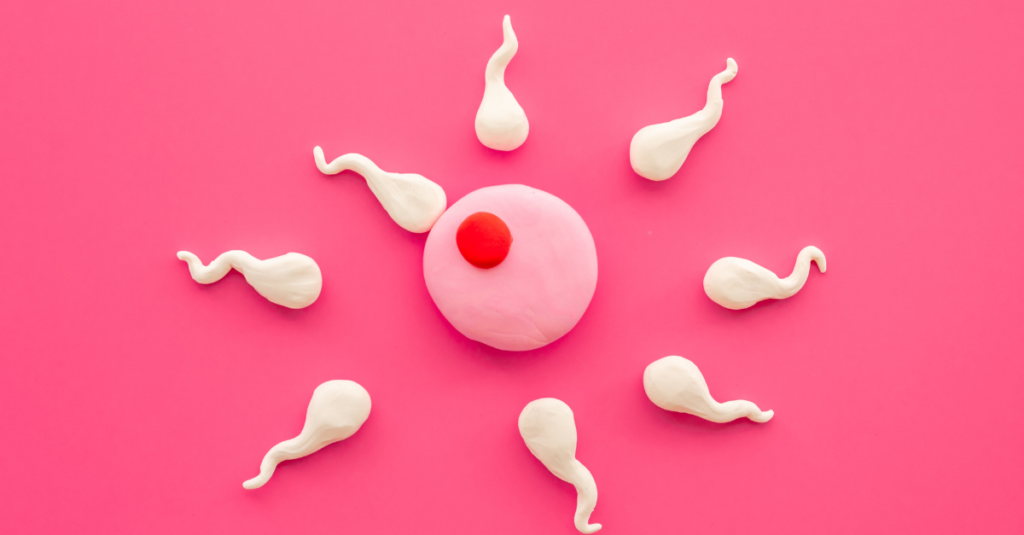
Landmark 2023 research (Zhang et al., Nature Aging) showed that spermidine—a natural polyamine—declines in aging ovaries. Oral supplementation restored ovarian spermidine levels, promoted follicle development, accelerated oocyte maturation, improved embryonic potential, and increased live birth rates in aged mice (human equivalent early 40s). The mechanism? Enhanced mitophagy and restored mitochondrial function that inhibited apoptosis.
These benefits extended to porcine oocytes under oxidative stress, protecting meiotic progression and fertilization—highly relevant for human IVF models. A 2024 follow-up study (Bai et al.) confirmed spermidine rescues post-ovulatory aged oocytes by reducing ROS, inhibiting apoptosis, and upregulating autophagy markers. Additional NIH studies show spermidine protects against ovarian aging, reduces follicular atresia, and lowers oxidative stress while boosting antioxidant enzymes (SOD, CAT, GSH-Px).
This is why spermidine fertility research is buzzing in TTC communities and among IVF patients seeking low-cost insurance for expensive cycles.
Oxidative Stress: The Vicious Cycle Sabotaging Egg Quality
Aging mitochondria produce excess ROS while antioxidant defenses weaken, creating a self-reinforcing loop: damaged mitochondria → more ROS → mtDNA/lipid damage → further mitochondrial impairment and apoptosis. In ovaries, this accelerates follicular atresia and degrades oocyte quality. Read our dedicated guide: Oxidative Stress: The Hidden Saboteur of Conception and How to Fight It.
Liposomal Spermidine: True Bioavailability for Cellular Results
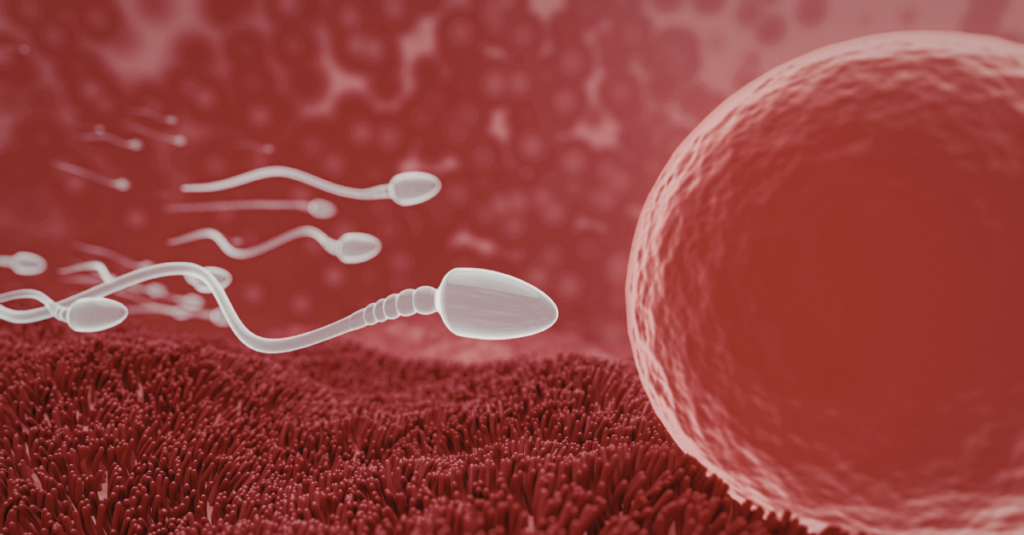
Regular spermidine faces poor absorption and rapid breakdown. Progeny’s liposomal delivery encapsulates spermidine in phospholipid vesicles (<200 nm) for lymphatic absorption, bypassing first-pass metabolism, and sustained release directly to reproductive tissues. The result? Several-fold higher bioavailability where it matters most—inside oocytes to activate mitophagy. Learn the difference: Liposomal Spermidine vs Regular Spermidine.
Synergistic Support: Spermidine + CoQ10 + NAC for Complete Mitochondrial Renewal
Spermidine provides the cleanup; pair it with:
- CoQ10 (Ubiquinol, 200–600 mg/day): Fuels the electron transport chain, activates PINK1/Parkin, and scavenges ROS—shown to improve oocyte yield and embryo quality in diminished ovarian reserve.
- NAC (600–1,200 mg/day): Boosts glutathione, supports Nrf2, and neutralizes ROS while amplifying autophagy.
Together, this trio addresses energy production, oxidative damage, and mitochondrial recycling—comprehensive support at a fraction of IVF costs.
The Autophagy Optimized Conception Protocol: 90 Days to Healthier Eggs
Aligned with the full cycle of oocyte preparation (and the 74-day spermatogenesis cycle in men), our protocol includes:
- 30-day starter: Jumpstart mitophagy and reduce oxidative stress.
- 60-day optimization: Build with full stack + lifestyle autophagy triggers (time-restricted eating, fasting-mimicking diet).
- 90-day full protocol: Matches follicle development for peak cellular renewal.
Core pillars: Liposomal spermidine, Mediterranean diet, moderate exercise, stress reduction, and toxin avoidance. Ideal for women 35–45, TTC communities, and IVF preparation (70% of patients already use supplements—ours are clinic-compatible and undisclosed-friendly).
Pair with these resources:
- The Science of Spermidine and Fertility
- How to Improve Egg Quality After 35
- Spermidine and Male Factor Infertility (for couples—male factor accounts for up to 55% of infertility)
- The Autophagy Optimized Conception Protocol
Ready to Take Control of Your Egg Quality?
Mitophagy-powered preconception optimization is the modern, research-driven approach for women 35+ who refuse to leave fertility to chance. Explore our Autophagy Optimized Conception Protocol bundles today—clean-label, natural, and designed for true cellular fertility support.
Start your 90-day journey now and give your future family the healthiest possible start at the cellular level.
Pingback: How to Boost Your Fertility as a Woman: Science-Backed Strategies for 2026 - progenybrands.com