Discover how oxidative stress silently damages egg and sperm quality, driving fertility challenges after 35. Learn the science of ROS, autophagy/mitophagy pathways, and how spermidine offers multi-level protection—backed by NIH and PubMed studies—for true preconception optimization.

Oxidative Stress and Fertility
When you’re actively trying to conceive (TTC), every cycle feels like a high-stakes event. You track ovulation, optimize nutrition, and maybe even start prenatals. But there’s a silent saboteur at work long before implantation: oxidative stress. This cellular-level imbalance between reactive oxygen species (ROS) and your body’s antioxidant defenses quietly erodes egg quality, impairs sperm function, and reduces conception odds—especially for the educated, proactive women 30–45 and their partners who delay childbearing for career or life reasons.
At Progeny Brands, we’re shifting the conversation from “prenatal vitamins once you’re pregnant” to preconception optimization at the cellular level. Fertility isn’t just about hormones or timing—it’s about protecting the very building blocks of life: your gametes. Oxidative stress is one of the primary drivers of reproductive aging, mitochondrial decline, and the 55% of infertility cases tied to male factors. The good news? Your body has powerful built-in pathways—antioxidants and autophagy—and emerging research shows spermidine supercharges them for measurable protection.
In this deep-dive guide (part of our pillar on the science of spermidine and fertility), we’ll unpack exactly how ROS sabotage conception, why standard antioxidants often fall short, and how targeted autophagy support via liposomal spermidine can help you fight back. Whether you’re preparing for IVF, navigating advanced maternal age, or simply want the healthiest eggs and sperm possible, this is your evidence-based roadmap.
What Is Oxidative Stress? The Cellular Storm You Can’t See
Oxidative stress occurs when reactive oxygen species (ROS)—unstable molecules like superoxide, hydrogen peroxide, and hydroxyl radicals—outpace your body’s ability to neutralize them. ROS are a normal byproduct of metabolism, especially in high-energy cells like oocytes and spermatozoa. At low levels, they even play beneficial roles in signaling. But when chronic stressors (age, environmental toxins, poor diet, inflammation, or lifestyle factors) tip the balance, ROS trigger a cascade of damage.
In reproductive cells, this damage is particularly devastating because eggs and sperm have limited repair capacity. Oocytes are arrested in meiosis for decades, accumulating insults over time. Sperm, produced continuously, are highly vulnerable due to their polyunsaturated fatty acid-rich membranes and minimal cytoplasmic antioxidants. The result? Mitochondrial dysfunction, DNA fragmentation, apoptosis, and reduced gamete competence—core drivers of subfertility, recurrent miscarriage, and lower IVF success rates.
Research consistently links elevated oxidative stress to poorer outcomes in TTC communities. For women over 35, it accelerates follicular atresia (the programmed death of egg-containing follicles) and mitochondrial decline. For men 30–45, it’s a leading contributor to abnormal semen parameters. Yet most standard preconception advice barely mentions it, focusing instead on basic folate or CoQ10 without addressing the root cellular cleanup systems.
How Oxidative Stress Sabotages Egg Quality and Female Fertility
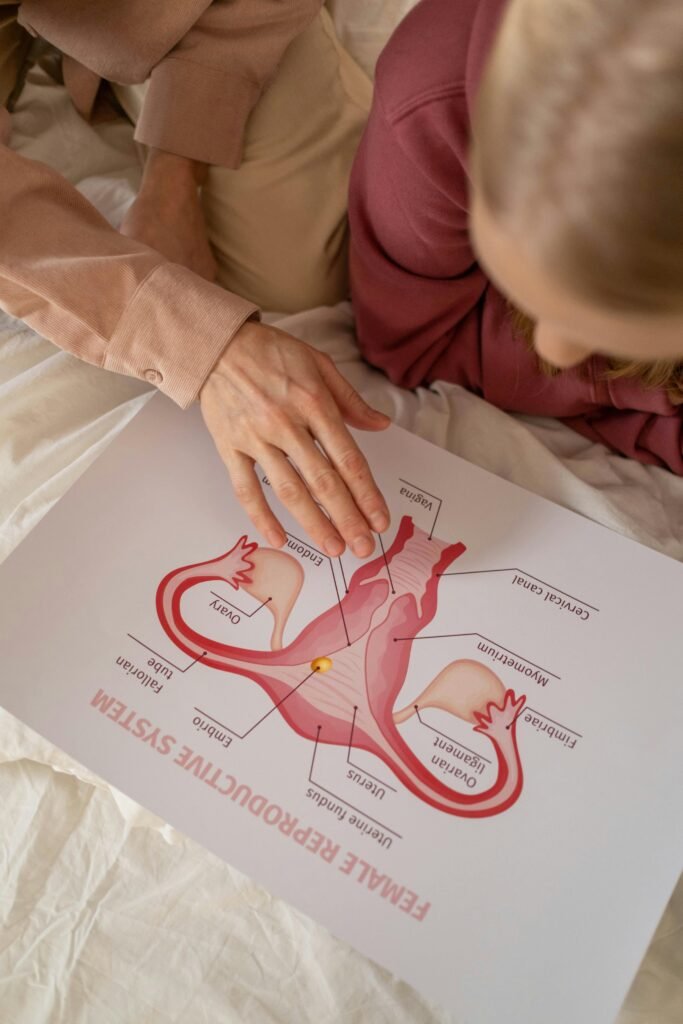
Women’s oocytes are extraordinarily sensitive to ROS because they rely on mitochondria for energy during maturation, fertilization, and early embryonic development. Each egg contains hundreds of thousands of mitochondria—far more than most cells—and these powerhouses generate ROS as a byproduct. Over time (especially after 35), cumulative oxidative damage leads to:
- Mitochondrial dysfunction and energy deficits:
- Damaged mitochondria produce less ATP and leak more ROS, creating a vicious cycle. This impairs chromosome segregation during meiosis, raising aneuploidy risk (the #1 cause of age-related miscarriage and IVF failure).
- DNA damage and telomere shortening:
- ROS oxidize DNA bases, leading to fragmentation that oocytes struggle to repair. Studies show this correlates directly with lower fertilization rates and embryo quality.
- Increased follicular atresia and ovarian reserve decline:
- Oxidative stress promotes granulosa cell apoptosis around the follicle, accelerating the loss of viable eggs.
- Poorer embryo development post-fertilization:
- Even if fertilization occurs, ROS-induced damage in the oocyte cytoplasm can compromise blastocyst formation.
A 2025 review on oxidative stress and oocyte quality highlights these mechanisms, noting that ROS imbalance contributes to meiotic errors, reduced fertilization, and infertility in advanced maternal age. For the career-focused women in our community who start families later, this is why “trying harder” with timing alone often isn’t enough—cellular optimization is the missing piece.
Learn more about mitochondrial decline in our dedicated post on mitophagy and egg quality.
The Male Side: Oxidative Stress as a Major Factor in 55% of Infertility Cases
Male factor infertility accounts for up to 55% of couples’ challenges, and oxidative stress is a primary culprit. Sperm are uniquely vulnerable: their plasma membranes are packed with polyunsaturated fatty acids that are easily peroxidized by ROS. Once lipid peroxidation begins, it spreads like wildfire, compromising:
- Sperm motility and morphology:
- Peroxidative damage stiffens the tail membrane, slashing progressive motility. Protein oxidation disrupts the axoneme structure essential for swimming.
- DNA integrity:
- ROS cause single- and double-strand breaks in sperm DNA, leading to fragmentation indices that predict lower pregnancy rates and higher miscarriage risk—even with ICSI.
- Capacitation and acrosome reaction failure:
- The very signaling events that prepare sperm for fertilization are derailed by excess ROS.
Landmark reviews (including Aitken et al., 2022) confirm that 25–40% of infertile men show elevated seminal ROS, directly correlating with poor semen parameters. For men 30–45 balancing career and family planning, lifestyle factors like stress, poor sleep, or environmental exposures compound the issue. The silver lining? Sperm regenerate every ~74 days, so preconception optimization yields rapid, measurable improvements.
Dive deeper in our guide to spermidine and male factor infertility.
Your Body’s Natural Defenses: Antioxidants Meet Autophagy
Fortunately, evolution equipped us with layered protections: enzymatic antioxidants (superoxide dismutase, catalase, glutathione peroxidase) and non-enzymatic ones (vitamins C/E, glutathione). But in the modern world—processed foods, sedentary lifestyles, and age—these systems often need reinforcement.
Enter Autophagy—literally ‘self-eating’—clears damaged mitochondria (via mitophagy), oxidatively stressed proteins, and lipid peroxides before they cause irreversible harm; discover the full cellular renewal story and how it combats oxidative stress for healthier eggs and sperm in our new pillar page: Autophagy and Fertility: The Cellular Renewal Process Powering Preconception Optimization. In reproductive tissues, autophagy is a fertility guardian: it maintains oocyte quality during aging and protects sperm from oxidative assault. Fasting-mimicking diets and certain nutrients upregulate it, aligning perfectly with the 90-day windows of egg maturation and spermatogenesis.
Yet autophagy declines with age and oxidative load. This is where science-backed interventions shine—bridging the gap between basic antioxidants and true cellular rejuvenation.
Explore autophagy’s role in preconception in our diet guide.
Spermidine: Multi-Level Protection Against Oxidative Stress in Reproduction
Here’s where the research gets exciting—and why we formulated Progeny’s Liposimol™ liposomal spermidine for true bioavailability. Spermidine, a naturally occurring polyamine, is a potent autophagy inducer that works at multiple levels to neutralize oxidative stress. Unlike generic supplements that may degrade in the gut, our liposomal delivery ensures it reaches your cells intact.
Key mechanisms backed by peer-reviewed studies:
- Enhances mitophagy to rejuvenate oocytes:
- A landmark 2023 study (Zhang et al., Nature Aging) showed that spermidine levels drop in aged ovaries. Supplementation restored oocyte quality in mice by boosting mitophagy, improving mitochondrial function, and rescuing fertility outcomes. The effect was conserved in porcine oocytes under oxidative stress—directly relevant to human IVF. Result: better spindle assembly, lower ROS, and higher blastocyst rates.→ Read the full study
- Reduces ovarian oxidative stress and follicular atresia:
- Jiang et al. (2023) demonstrated that spermidine supplementation in mice lowered atretic follicles, upregulated antioxidant enzymes (SOD, catalase), and balanced polyamine metabolism—protecting the entire ovarian reserve from ROS-induced damage.→ Full paper
- Protects sperm from ROS-induced damage:
- Multiple studies link spermidine to improved sperm motility, morphology, and DNA integrity. It mitigates testicular oxidative stress (including in models of toxin exposure) and supports mitochondrial function in spermatozoa—critical for the 74-day spermatogenesis cycle.
- Amplifies overall autophagy for preconception resilience:
- As a physiological autophagy inducer (Madeo et al., 2018), spermidine clears cellular debris without the harsh side effects of pharmaceuticals. This makes it an ideal complement to IVF protocols—70% of fertility patients already use supplements, often without telling their doctors. Our Autophagy Optimized Conception Protocol (AOCP) integrates it seamlessly as “insurance” for those expensive cycles.
The full science pillar on spermidine and fertility.
Practical Strategies: Building Your Oxidative Stress Defense for Conception
Fighting oxidative stress isn’t one-and-done—it’s a 90-day cellular reset. Here’s your evidence-based action plan:
- Dietary spermidine sources + targeted supplementation:
- Wheat germ, aged cheese, mushrooms, and soy provide baseline levels, but consistent therapeutic dosing requires a bioavailable form like our Liposimol™.
- Lifestyle levers:
- Moderate exercise, stress reduction, and 16:8 time-restricted eating to naturally boost autophagy. Avoid smoking, excessive alcohol, and processed foods that spike ROS.
- Synergistic support:
- Pair with CoQ10, NAC, or melatonin for layered antioxidant effects—exactly as outlined in our AOCP.
- Testing and tracking:
- Consider semen analysis with oxidative stress markers or AMH/egg quality insights before and after 90 days.
For advanced maternal age or male-factor couples, this protocol aligns precisely with gamete development timelines, offering a proactive, research-driven edge.
Start the full Autophagy Fertility Optimized Conception Protocol here.
Conclusion: Reclaim Your Cellular Fertility Edge
Oxidative stress may be a hidden saboteur, but it’s no longer an unbeatable one. By understanding ROS pathways, leveraging your body’s autophagy machinery, and supporting it with clinically studied spermidine, you can optimize egg and sperm quality at the source—shifting from reactive prenatal support to true preconception cellular health.
At Progeny Brands, we exist for exactly this moment: fertility optimized at the cellular level through science you can trust. Our Liposimol™ delivery system delivers spermidine where it matters most, powering the Autophagy Optimized Conception Protocol that thousands in TTC communities are already exploring.
Ready to fight the saboteur? Explore our 30/60/90-day bundles—designed around real biology—and give your gametes the best possible start. Because your future family deserves the healthiest beginning possible.
Have questions about integrating this into your IVF journey or advanced maternal age plan? Comment below or reach out—we’re here to help.
FAQ: Oxidative Stress, Fertility, and Spermidine
Q: How quickly can I reduce oxidative stress for conception?
A: Sperm respond in ~74 days; oocytes show benefits within one 90-day cycle. Consistent spermidine use supports measurable improvements in that window.
Q: Is spermidine safe with IVF medications?
A: Yes—studies show it complements fertility treatments without interference. Always confirm with your REI, but our clean, natural formula is designed for clinic compatibility.
Q: What makes liposomal spermidine different from other spermidine supplements?
A: True liposomal encapsulation for superior absorption and cellular delivery—ensuring you get the autophagy benefits research demonstrates.
Q: Can men benefit too?
A: Absolutely. Up to 55% of infertility involves male factors, and spermidine’s protection of sperm motility, morphology, and DNA is well-documented.
Pingback: Spermidine Rescues Testicular Dysfunction – What the Latest NIH Studies Mean for Men - progenybrands.com
Pingback: Cellular Fertility Optimization: Unlocking Healthier Eggs, Sperm, and Conception at the Cellular Level - progenybrands.com
Pingback: How to Improve Egg Quality Using Natural Female Fertility Options - progenybrands.com
Pingback: Autophagy and Trying to Conceive: The Cellular Key to Healthier Eggs, Sperm, and Conception Success - progenybrands.com
Pingback: Mitophagy and Egg Quality: Reversing Mitochondrial Decline Naturally After Age 35 - progenybrands.com
Pingback: NAC (N-Acetyl Cysteine) for Fertility: The Complete 2026 Guide For Both Him and Her - progenybrands.com
Pingback: How to Boost Your Fertility as a Woman: Science-Backed Strategies for 2026 - progenybrands.com
Pingback: Complete Guide to CoQ10 for Fertility: The Evidence-Based Resource for Egg Quality, Sperm Health & Preconception Optimization - progenybrands.com