
The Hidden Factor in Half of All Infertility Cases — And What Spermidine Does About It
When a couple begins their trying-to-conceive journey, the conversation always starts with her: ovulation tracking apps, hormone panels, egg quality. And while those things matter deeply, there’s a statistic that rarely gets the attention it deserves: Male Factor Infertility.
Male factor infertility is implicated in up to 55% of infertility cases.
Not 15%. Not 25%. More than half.
Yet the supplement aisle, the fertility clinic waiting room, and the late-night Google searches remain overwhelmingly female-focused. If you’re a man over 35 or a woman reading on behalf of her partner, this article is for you. This article is grounded in real science and built around a single question: What can be done to improve male infertility?
The answer involves oxidative stress, a 74-day biological clock, and a molecule that’s been quietly accumulating research for years: spermidine.
Why Male Infertility Is More Vulnerable Than Most Men Realize
Men produce entirely new sperm every 74 days. This is one of the most important facts in male infertility reproductive biology — and one of the most hopeful. Unlike women, who are born with a finite supply of oocytes, men are continuously generating new sperm. Every 10–12 weeks, the sperm slate is wiped and the process begins again.
That sounds reassuring. But it also means sperm quality is exquisitely sensitive to everything happening inside the body during that production window. This includes diet, sleep, stress, environmental exposures, alcohol consumption, heat, and the slow, age-related decline.
What’s happening inside the testes during those 74 days, on a cellular level, determines whether the resulting sperm can swim straight, hold their DNA intact, and successfully fertilize an egg.
And increasingly, the research tells us that for many men something is quietly undermining that process.
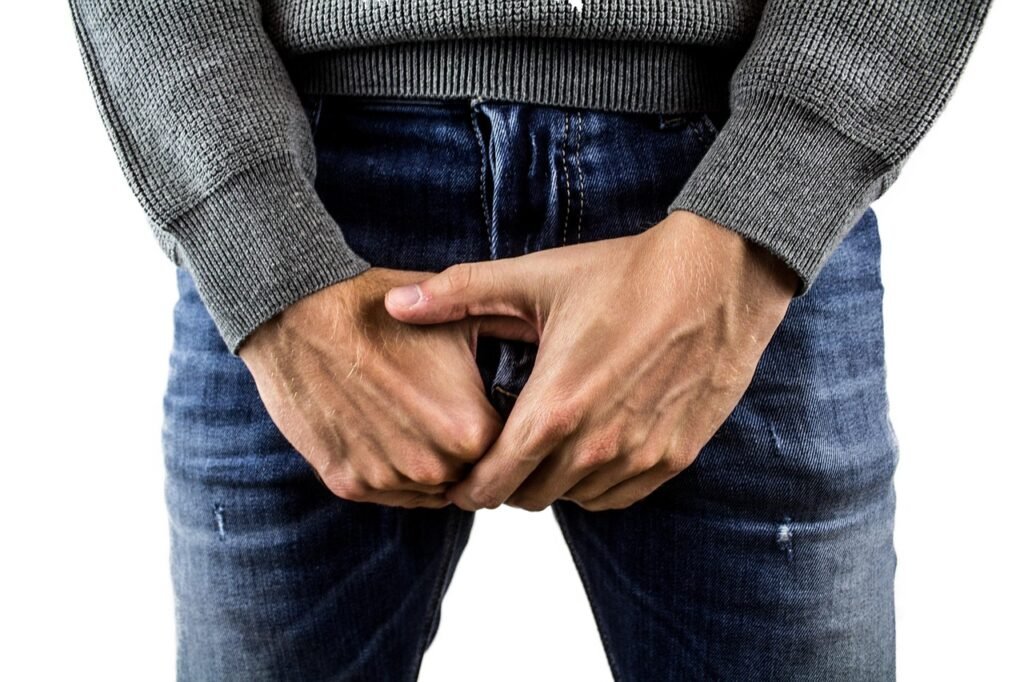
Oxidative Stress: The Root Cause Nobody Talks About
The term oxidative stress gets thrown around a lot in wellness spaces. But in the context of male infertility, this phrase has a precise and consequential meaning.
Reactive oxygen species (ROS) are unstable molecules produced as byproducts of normal cellular metabolism. In small amounts, they serve useful signaling functions. But when ROS production exceeds the body’s capacity to neutralize them a state of oxidative imbalance takes hold. ROS occurs through poor diet, toxin exposure, chronic stress, sleep deprivation, or just basic aging.
Sperm are uniquely, disproportionately vulnerable to this damage.
Sperm cells are built for speed and streamlining which makes them particularly vulnerable to ROS. In order to swim efficiently, they carry almost no cytoplasm and almost none of the antioxidant enzymes that protect other cells from ROS. Their plasma membranes are rich in polyunsaturated fatty acids, which are essential for tail flexibility and motility. However, they’re highly susceptible to a process called lipid peroxidation, where ROS degrade the membrane’s structure and function.
Their midpiece — the engine room — is packed with mitochondria responsible for generating ATP, the energy currency that powers swimming. When those mitochondria are damaged or dysfunctional, they produce even more ROS. This inreased ROS creates a destructive feedback loop: damaged mitochondria → more oxidative stress → more mitochondrial damage.
And at the nucleus, ROS can directly break strands of DNA. Sperm DNA fragmentation is essentially damage to the genetic material being passed to the embryo. This is one of the most underdiagnosed contributors to failed fertilization, poor embryo development, and recurrent miscarriage. Evidence suggests a sperm DNA fragmentation index (DFI) above 15–25% is clinically significant, yet this test is rarely performed.
The prevalence? Studies estimate that up to 80% of infertile men show elevated seminal ROS levels.. Oxidative stress is the silent variable that standard semen analysis simply doesn’t measure.
Common triggers for men 30–45 include:
- Environmental exposures — BPA, phthalates, pesticides, heavy metals found in plastics, non-stick cookware, and personal care products
- Lifestyle factors — smoking, alcohol, sedentary behavior, chronic sleep restriction, high-stress careers
- Scrotal heat — from laptops, hot tubs, heated car seats, or tight clothing (the testes are external precisely because sperm production requires a lower temperature than core body temperature)
- Age-related cellular slowdown — the body’s natural antioxidant systems and cellular recycling machinery become less efficient with each passing decade
- Chronic low-grade inflammation — often silent, often diet- and stress-driven, and powerfully disruptive to spermatogenesis
The key insight is this: because sperm have very little repair capacity once they’re mature, damage sustained during the 74-day production cycle is largely permanent in that cohort. You can’t rehabilitate a fully formed sperm cell. You can only optimize the environment in which the next generation of sperm develops.
That’s why preconception optimization — not waiting for a problem to appear — is the most rational strategy.
Enter Spermidine: Cellular Housekeeping at the Reproductive Level
Spermidine is a naturally occurring polyamine — a class of small molecules essential to virtually every living cell. Spermidine is found in wheat germ, aged cheeses, mushrooms, soybeans, green peas, and certain fermented foods. It was first isolated from human semen (hence the name), but it plays fundamental roles in cell growth, differentiation, DNA stability, and — most critically for our purposes — autophagy.
Autophagy is the body’s cellular recycling system that identifies damaged proteins, dysfunctional organelles, and cellular debris, tags them for destruction, and recycles their components into raw material for new, healthy structures; for the full picture of how autophagy and mitophagy drive sperm quality, egg quality, and overall conception success, visit our new pillar page: Autophagy and Fertility: The Cellular Renewal Process Powering Preconception Optimization.
Spermidine and Mitophagy
Mitophagy is the selective form of autophagy that targets specifically damaged or dysfunctional mitochondria for removal. And it’s here that spermidine becomes especially relevant to male infertility.
Damaged mitochondria in sperm are among the most significant sources of excess ROS. They don’t just fail to produce energy efficiently — they actively generate more oxidative stress. Spermidine’s induction of mitophagy clears these dysfunctional mitochondria, reducing ROS at their source while also triggering the production of new, healthy mitochondria through a process called mitochondrial biogenesis.
The problem is that spermidine levels decline substantially with age. Research suggests a drop of up to 60% from early adulthood to middle age. This drop tracks precisely with the timeline of infertility challenges for both men and women. The body’s cellular housekeeping systems grow quieter precisely when they’re needed most.
This is the biological case for spermidine supplementation in the preconception period.
How Spermidine Protects Sperm: Five Mechanisms Working in Concert
Unlike single-action antioxidants such as vitamin C or E, which primarily neutralize existing ROS after the fact, spermidine operates through multiple complementary pathways simultaneously. This multi-layered approach is what distinguishes it in the fertility research landscape.
1. Direct Antioxidant Neutralization: Spermidine’s chemical structure — specifically its positively charged amino groups. This allows it to directly interact with and neutralize certain reactive oxygen species. This provides an immediate, first-line defense against ROS-mediated cellular damage.
2. Mitophagy Induction. The cellular machinery responsible for identifying and clearing damaged mitochondria, spermidine addresses the primary intracellular source of excess ROS. This is the difference between treating a symptom and addressing a root cause.
3. Mitochondrial Biogenesis After clearing dysfunctional mitochondria, spermidine supports the formation of new, efficient mitochondria — restoring ATP production capacity and the energy sperm need to swim effectively.
4. Upregulation of Endogenous Antioxidant Enzymes Spermidine enhances the activity of the body’s own antioxidant defense systems: superoxide dismutase (SOD), catalase (CAT), and glutathione peroxidase (GPx). These enzymes represent the cell’s internal firefighting capacity, and supporting their activity provides durable, ongoing protection rather than a single antioxidant hit.
5. Anti-Inflammatory Modulation Chronic low-grade inflammation is a persistent driver of oxidative stress. Spermidine modulates pro-inflammatory signaling pathways — including NF-κB — to reduce the inflammatory burden that steadily elevates ROS production over time.
Taken together, these mechanisms make spermidine one of the most comprehensive cellular-level tools available for preconception male health.
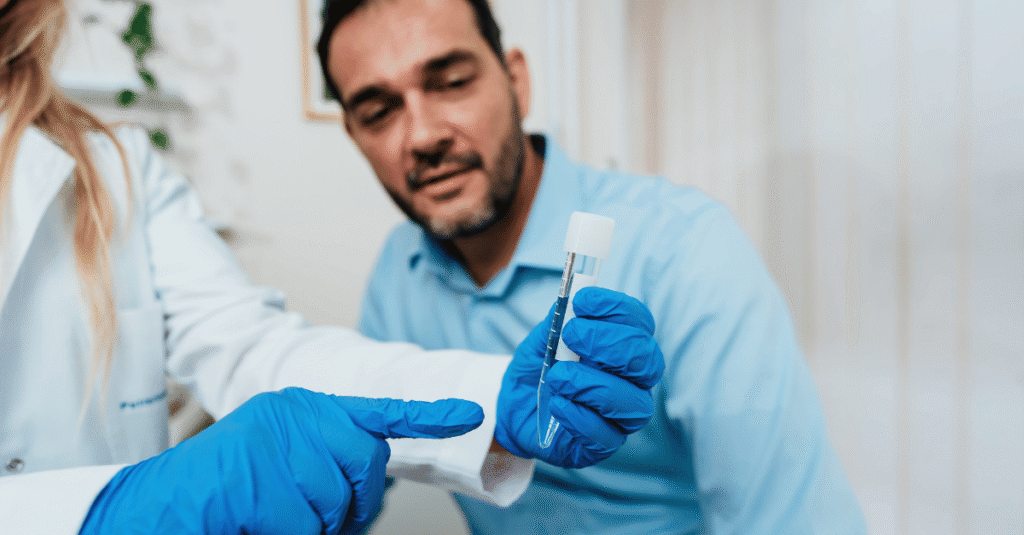
What the Research Shows
The science on spermidine and male reproductive health is growing, with several key studies providing meaningful translational evidence.
Boar Sperm in Vitro Study (Li et al., 2022, Theriogenology)
Boar sperm is one of the most well-validated translational models for mammalian — including human — reproductive biology. In this controlled study, researchers exposed sperm samples to two conditions: standard preservation and acute oxidative stress induced by hydrogen peroxide.
The results were striking. When spermidine (0.5 mmol/L) was added during 7-day preservation at 17°C, it significantly improved motility, plasma membrane integrity, and acrosome integrity while lowering ROS levels. Under acute oxidative stress conditions — a simulation of the ROS overload many men’s sperm face chronically — spermidine:
- Boosted activities of glutathione peroxidase, reductase, and S-transferase (key antioxidant enzymes)
- Improved the GSH/GSSG ratio, a critical marker of cellular redox balance
- Reduced lipid peroxidation, DNA damage, mitochondrial membrane potential collapse, ATP depletion, and calcium overload
- Produced measurably better overall motility and membrane protection
The researchers concluded that spermidine alleviates oxidative stress through its antioxidant capacity while directly supporting sperm functionality — an outcome that maps closely onto the clinical concerns of the men most likely to benefit.
Spermatogenic Recovery from Toxin Exposure (Wang et al., 2022)
Triptolide, a compound derived from a traditional plant source, is used in research as a model for severe spermatogenic impairment — producing testicular atrophy, dramatic sperm count reduction, hormone disruption, and elevated oxidative stress markers. In experimental models designed to test recovery, restoring polyamine levels (including spermidine) reversed many of these effects: sperm count improved, testicular tissue showed histological recovery, reproductive hormones normalized, and oxidative stress markers declined.
While triptolide exposure isn’t a common real-world scenario, the mechanisms it disrupts — spermatogenesis, mitochondrial function, oxidative balance — mirror the effects of cumulative environmental and lifestyle toxin exposure that many men in their 30s and 40s are managing unknowingly, across years.
The study also highlighted spermidine’s interaction with gut microbiota, which plays a role in polyamine production and absorption — an emerging area of fertility research.

Heat Stress and Autophagy (2025)
A 2025 study demonstrated that spermidine supplementation meaningfully reduced heat stress-induced testicular dysfunction in a mammalian model, protecting spermatogenic function through antioxidant activity and autophagy regulation. Scrotal heat — from sedentary desk work, heated car seats, laptops, or hot tubs — is among the most prevalent and underacknowledged oxidative stressors for men in modern working environments. This research directly reinforces spermidine’s protective role in a highly relatable real-world context.
Across the body of animal model data, a consistent pattern emerges: spermidine supplementation protects spermatogenic cells from oxidative damage, improves motility, preserves DNA integrity, and supports normal morphology — all parameters that directly correlate with fertilization potential and embryo viability in clinical settings.
Human clinical trials specific to spermidine and male fertility are in active development, but the mechanistic and translational evidence is already compelling enough that fertility-aware clinicians are paying attention. Many IVF specialists recognize that addressing oxidative stress and supporting cellular autophagy can meaningfully influence semen parameters and cycle outcomes.
The 74-Day Window: Why Timing Is Everything
The most empowering thing about male reproductive biology is also the most underappreciated: because sperm are continuously regenerated. The quality of the sperm used in conception — or IVF egg collection — directly reflects the cellular environment of the 74 days leading up to it.
This creates a defined, actionable window.
Changes made today — in diet, lifestyle, and supplementation — will be expressed in sperm quality approximately 10–12 weeks from now. For couples trying to conceive naturally, this means starting preconception optimization well before actively trying gives you a meaningful biological head start.
For men preparing for IVF or ICSI, beginning a cellular support protocol at least three months before sperm collection represents one of the highest-leverage interventions available — at a fraction of the cost of a cycle. Improving sperm DNA fragmentation, motility, and morphology in the weeks preceding egg retrieval can have direct downstream effects on fertilization rates, embryo grading, and blastocyst development.
A practical 90-day protocol looks like this:
- Day 0: Baseline semen analysis, ideally including sperm DNA fragmentation index (DFI). Begin dietary and lifestyle optimization.
- Days 1–90: Consistent daily support — cellular nutrition, targeted supplementation, lifestyle adjustments.
- Day 90: Repeat semen analysis and DFI to assess progress and adjust.
Consistency is non-negotiable. Sporadic supplementation won’t meaningfully shift the cellular environment across a full spermatogenic cycle. Daily, sustained support is what moves the needle.
Building the Foundation: Preconception Optimization for Men
Spermidine doesn’t operate in isolation. The strongest outcomes come from pairing targeted cellular support with foundational lifestyle changes that reduce the oxidative burden it’s working against.
Dietary Foundation
A Mediterranean-style eating pattern — rich in whole grains, legumes, vegetables, olive oil, fatty fish, and modest amounts of quality protein — provides the dietary polyamines (from wheat germ, mushrooms, soy, and green peas), antioxidants, and anti-inflammatory compounds that complement spermidine’s cellular mechanisms. Processed foods, refined sugars, and industrial seed oils amplify oxidative stress; reducing them matters.
Movement and Sleep
Regular moderate exercise improves mitochondrial efficiency, reduces systemic inflammation, and supports testosterone levels — all relevant to sperm quality. Chronic overtraining, however, can elevate oxidative stress. Seven to nine hours of consistent sleep is one of the most powerful endocrine and cellular regulators available, and one of the most commonly sacrificed in high-achieving men in their 30s and 40s.
Reduce Environmental Load
Practical, achievable steps: switch to glass or stainless food storage, use fragrance-free personal care products, filter drinking water, avoid heating food in plastic, and limit alcohol. None of these changes is dramatic. Combined, they reduce the daily ROS burden meaningfully.
Heat Management
Switch to loose-fitting underwear. Don’t rest laptops on your lap. Avoid hot tubs and saunas in the 90 days before you need optimal sperm quality. These are small behavioral changes with documented physiological relevance.
Bioavailability Matters
One of the practical limitations of oral spermidine supplementation is absorption. Standard capsule formulations must survive the acidic environment of the stomach before reaching the intestine for absorption. Unfortunately, much of the compound is degraded in transit. Liposomal delivery systems encapsulate spermidine in lipid-based nanoparticles that protect it through the digestive tract and enhance cellular uptake. This isn’t marketing language — it’s pharmacokinetics. True bioavailability means the molecule actually reaches the tissues where it’s needed at meaningful concentrations.
Synergistic Partners
Research protocols exploring spermidine frequently pair it with complementary nutrients that support related pathways: CoQ10 (mitochondrial energy production and direct antioxidant activity), NAC (glutathione precursor and redox support), zinc (essential for testosterone synthesis and sperm DNA packaging), and omega-3 fatty acids (membrane integrity and anti-inflammatory support).
A Note to Partners — And to the Men Who Won’t Google This Themselves
If you’re a woman reading this for your partner, you already understand something that’s often hard to say out loud: male factor infertility is frequently invisible until it isn’t, and many men approach it with silence rather than strategy.
This isn’t about blame. Biology, age, environment, and the cumulative demands of modern professional life create conditions that deplete the cellular infrastructure of reproduction — gradually, quietly, without obvious symptoms.
Bringing your partner into the preconception optimization conversation — framed not as “there’s something wrong with you” but as “we can both do something that matters” — changes the dynamic. It distributes the effort and, more importantly, it’s accurate. Up to 55% of infertility involves the male side. The science supports a both-partner approach.
And for the man reading this himself: knowing is the beginning. The 74-day cycle means that action taken now creates measurable outcomes in about three months. That’s not an abstraction — it’s sperm you can test, parameters you can track, a trajectory you can change.

The Bigger Picture: Fertility as Cellular Health
What’s shifting in fertility science — and in the communities of educated, research-driven people navigating it — is a recognition that conception isn’t just a numbers game of sperm count and cycle timing. It’s a reflection of cellular health, and cellular health can be actively optimized.
Spermidine sits at the intersection of several converging fields: autophagy research, mitochondrial medicine, reproductive biology, and the science of aging. Its ability to activate the body’s own cellular maintenance systems — rather than simply supplementing a missing nutrient — makes it conceptually distinct from most fertility supplements on the market.
The Autophagy Optimized Conception Protocol is built on this principle: prepare the cellular environment before conception, support it consistently across the spermatogenic cycle, and measure your progress. It’s a proactive, science-backed approach that complements — never replaces — care from your fertility clinic or OB/GYN.
For the full picture of how spermidine supports both male and female infertility — including its role in egg quality, mitochondrial health in oocytes, and the complete preconception protocol — visit our pillar page: The Science of Spermidine and Fertility.
Conclusion: 74 Days to a Better Outcome
Male infertility is not a fixed variable. It’s a dynamic, renewable, responsive system — one that responds meaningfully to what you do (and don’t do) across the 74 days it takes to build each new cohort of sperm.
Spermidine offers something rare in the supplement world: a mechanism that’s both scientifically grounded and practically actionable. By activating autophagy and mitophagy, supporting mitochondrial renewal, upregulating endogenous antioxidant defenses, and reducing inflammatory signaling, it addresses oxidative stress not as an afterthought but as a cellular priority.
For men 30–45 navigating the intersection of career demands, delayed parenthood, and the quiet anxiety of “are we okay?” — the 74-day window is both a challenge and an opportunity. The biology of continuous sperm production means that what you do today, consistently, becomes the sperm of tomorrow.
Start before you think you need to. Test what you can measure. Support what you can support. And give the next generation of cells the best environment you’re capable of creating.
References
- Li, J., et al. (2022). Polyamines protect boar sperm from oxidative stress in vitro. Theriogenology.
- Wang, Y., et al. (2022). Effect of spermidine on ameliorating spermatogenic disorders induced by triptolide in mice. Journal of Assisted Reproduction and Genetics.
- Lejeune, H., & Huyghe, E. (2023). Oxidative stress and male infertility: clinical implications. Basic and Clinical Andrology.
- Eisenberg, T., et al. (2016). Cardioprotection and lifespan extension by the natural polyamine spermidine. Nature Medicine.
- Pegg, A.E. (2016). Functions of polyamines in mammals. Journal of Biological Chemistry.
- Lian, J., et al. (2025). Spermidine ameliorates heat stress-induced testicular dysfunction via antioxidant and autophagy regulation. [Prepublication research, 2025].
Pingback: The Role of Autophagy Fertility in Preconception - progenybrands.com
Pingback: Oxidative Stress: The Hidden Saboteur of Conception and How to Fight It - progenybrands.com
Pingback: Male Attitudes Toward Fertility Supplements – Why 55% of Cases Are Male Yet Underdiscussed - progenybrands.com
Pingback: Fasting-Mimicking Diet for Autophagy: Human Markers and Preconception Results - progenybrands.com
Pingback: Liposomal Spermidine vs. Regular Spermidine: The Bioavailability Breakthrough for Preconception Optimization, Egg Quality, and Sperm Health - progenybrands.com
Pingback: Autophagy and Trying to Conceive: The Cellular Key to Healthier Eggs, Sperm, and Conception Success - progenybrands.com
Pingback: Cellular Renewal Fertility: Unlocking Healthier Eggs, Sperm, and Conception Through Autophagy - progenybrands.com
Pingback: Top 10 Trying to Conceive (TTC) Communities for Couples Interested in Preconception Optimization - progenybrands.com
Pingback: Spermidine for Conception: How This Autophagy-Inducing Polyamine Optimizes Egg and Sperm Quality at the Cellular Level for Preconception Success - progenybrands.com
Pingback: Mitophagy and Egg Quality: Reversing Mitochondrial Decline Naturally After Age 35 - progenybrands.com
Pingback: Conception Strategies for Advanced Maternal Age and Women Over 35 - progenybrands.com
Pingback: Spermidine: Sperm Motility Research Simplified - progenybrands.com
Pingback: NAC (N-Acetyl Cysteine) for Fertility: The Complete 2026 Guide For Both Him and Her - progenybrands.com
Pingback: Autophagy Biomarkers: What to Test Before and After Preconception Optimization - progenybrands.com