In the world of fertility, the conversation has shifted dramatically. No longer is it just about prenatal vitamins once you’re pregnant. Forward-thinking couples—especially women 30-39 and 35-45, men 30-45, and those navigating IVF—are embracing preconception optimization at the cellular level. At the heart of this revolution is spermidine, a powerful polyamine that triggers autophagy and mitophagy to rejuvenate eggs and sperm.
But not all spermidine supplements are created equal. If you’re researching “liposomal spermidine fertility,” “spermidine trihydrochloride vs regular spermidine,” “true liposomal vs lecithin blend,” or “best spermidine for egg quality after 35,” you’ve likely noticed conflicting claims about forms, absorption, and real-world results. This updated guide breaks it down with fresh, peer-reviewed science: what each form actually delivers, why true liposomal encapsulation (like our liposomal encapsulated fertility spermidine) crushes regular spermidine and inferior lecithin blends or sprays, and how superior bioavailability powers your Autophagy Optimized Conception Protocol.
Ready to optimize your fertility at the cellular level? Let’s dive in.

What Is Spermidine and Why Does It Matter for Fertility?
Spermidine is a naturally occurring polyamine found in foods like wheat germ, soybeans, mushrooms, and aged cheese. It declines up to 60% by middle age—the exact window when many of us start trying to conceive (TTC).
Its superpower? Autophagy—the body’s cellular “clean-up crew” that recycles damaged components—and specifically mitophagy, which targets worn-out mitochondria. Oocytes (eggs) and sperm are mitochondrial powerhouses, making them uniquely vulnerable to oxidative stress and age-related decline.
Key fertility benefits backed by research:
- Egg quality & ovarian aging: Spermidine rescues oocyte maturation, reduces follicular atresia, and improves embryonic development in aged models by enhancing mitophagy and lowering oxidative stress.
- Sperm health: It protects sperm DNA, improves motility and morphology, reduces oxidative damage, and supports mitochondrial function—critical since male factors contribute to up to 55% of infertility cases.
- Oxidative stress fighter: Spermidine scavenges ROS, upregulates antioxidant enzymes (SOD, CAT, GSH-Px), and breaks the vicious cycle of mitochondrial ROS production that sabotages conception.
These effects align perfectly with the 74-day spermatogenesis cycle and the 90+ day oocyte maturation window—making consistent, bioavailable spermidine supplementation a smart 90-day investment (far cheaper than an IVF cycle “insurance policy”).
Internal links: The Science of Spermidine and Fertility | How to Improve Egg Quality After 35 | Spermidine and Male Factor Infertility
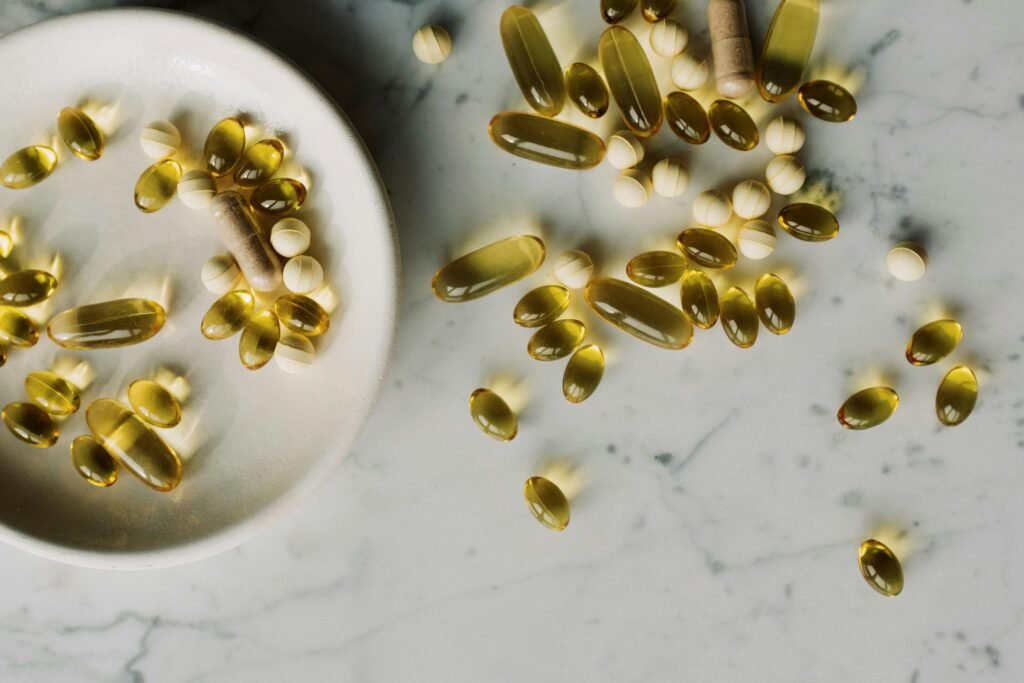
The Three Main Forms of Spermidine Supplements: A Head-to-Head Comparison
We’ve expanded our original table with the latest science on true liposomal encapsulation versus crude lecithin blends or “liposomal” sprays.
| Feature | Regular Spermidine (Food-Derived Extracts) | Spermidine Trihydrochloride (Synthetic 3HCl) | Liposomal Blends/Lecithin Sprays (Inferior “Liposomal”) | True Liposomal Spermidine (e.g., Progeny Brands) |
|---|---|---|---|---|
| Source | Wheat germ, soy, or plant extracts | Laboratory-synthesized pure salt form | Crude lecithin mixed or sprayed (no true vesicles) | High-purity phosphatidylcholine + optimized stabilizers forming true bilayer vesicles |
| Potency | Variable (often <1-3 mg per serving) | High purity (99%+, 3-10+ mg) | Variable; low effective dose due to poor protection | High purity + protected delivery (3-10 mg bioavailable) |
| Bioavailability | Moderate; gut degradation & first-pass | Good initial but rapid catabolism | Often no better than regular (no measurable liposomes) | Superior—1.77–2.36× higher AUC/Cmax in validated studies; lymphatic uptake |
| Encapsulation Efficiency (EE%) | N/A | N/A | Low (~12% or undetectable) | 35–90%+ (3× higher with cholesterol stabilization) |
| Particle Size | N/A | N/A | Often >200–800 nm or micelles only | <200 nm (ideal 50–200 nm) with low PDI (<0.3) |
| Stability | Lower in acidic stomach | Stable salt form | Unstable; leaks in GI tract | Highly stable; shields until cellular delivery |
| Fertility Relevance | Works for mild support but limited reach | Used in most studies but less targeted | Wastes money on unproven delivery | Optimized for reproductive tissues—mitophagy in oocytes & sperm mitochondria |
| Best For | Daily dietary top-up | Budget-conscious high-dose needs | Marketing claims only | Preconception optimization, IVF support, advanced maternal age |
| Drawbacks | Inconsistent dosing & absorption | Potential presystemic conversion | No true vesicles; bioavailability collapses | Slightly higher cost (but far more effective) |
Data synthesized from pharmacokinetic studies, DLS characterization, and manufacturer analyses.
Regular spermidine is “natural” but frequently under-dosed and degraded. Spermidine trihydrochloride is potent but still faces first-pass metabolism. Lecithin blends/sprays? Often just loose micelles or crude mixtures with no detectable liposomes—independent testing shows they perform identically to non-liposomal forms.
True liposomal spermidine (Progeny Brands) changes the game with verified vesicle formation.
True Liposomal Encapsulation vs. Lecithin Blends & Sprays: The Science That Matters for Conception
Not all “liposomal” claims are equal. True liposomes are phospholipid bilayer vesicles formed through controlled processes (thin-film hydration, extrusion). They trap spermidine inside a protected core or bilayer.
Key defensible metrics (ask vendors for these!):
- Particle size: Optimal 50–200 nm for oral absorption. Cells absorb 9× more at ~97 nm vs. 236 nm; 34× more at 64 nm. True formulations stay <200 nm with low polydispersity index (PDI <0.3).
- Encapsulation Efficiency (EE%): True liposomes with high-purity phosphatidylcholine + cholesterol achieve 35–97% EE% (3× higher than lecithin-alone at ~12%). Blends often show negligible EE%.
- Zeta potential & stability: High negative charge (e.g., –30 to –60 mV) prevents aggregation; true vesicles remain stable for weeks/months in the GI tract.
Bioavailability proof from human trials (using true liposomes as proxy—direct spermidine data is emerging but the mechanism is identical):
- Liposomal vitamin C showed 1.77× higher bioavailability (higher Cmax, AUC) vs. non-liposomal in a randomized crossover trial.
- Another study: 2.36× greater relative bioavailability with sustained plasma levels.
- Powdered true liposomal form: 30% higher AUC and 30% elevated C24h levels.
Lecithin blends and sprays fail these tests—no vesicles, poor EE%, larger/polydisperse particles. Result? You pay premium prices for standard oral absorption.
Why Bioavailability Is the Deciding Factor for Conception
Standard oral spermidine is “well-absorbed” from food in healthy young people, but fertility seekers over 30 face compounded challenges: age-related gut changes, higher oxidative load, and the need for therapeutic levels in ovaries and testes.
Liposomal delivery addresses this head-on. Commercial liposomal formulations claim up to 99% absorption rates versus significant losses in non-liposomal forms. For fertility, this translates to more spermidine reaching the cells that need cellular renewal most.
Progeny’s spermidine blend was specifically engineered for this: phosphatidylcholine-based liposomes under 200 nm, third-party tested, and formulated for the Autophagy Optimized Conception Protocol. It’s not just another supplement—it’s precision delivery for the 70% of IVF patients already using (but not always disclosing) supplements.
Fertility-Specific Science: How Liposomal Spermidine Outperforms for Egg Quality, Sperm Health & More
Egg Quality & Advanced Maternal Age (35-45) The landmark 2023 Nature Aging study (Zhang et al.) showed spermidine supplementation in aged mice restored oocyte quality via mitophagy, increased mature oocytes, and nearly doubled litter sizes. These benefits were conserved in porcine oocytes under oxidative stress—directly relevant to human IVF.
Liposomal delivery ensures more of that spermidine reaches ovarian tissue despite age-related barriers.
Male Factor Infertility (30-45) Research on boar sperm, toxin models, and heat stress demonstrates spermidine improves motility, morphology, DNA integrity, and mitochondrial function. Liposomal protection maximizes these effects during the full 74-day spermatogenesis cycle.
Oxidative Stress & Autophagy Spermidine reduces follicular atresia, protects sperm from lipid peroxidation, and restores redox balance—exactly what research-driven TTC couples need.
Internal link: Oxidative Stress: The Hidden Saboteur of Conception | Mitophagy and Egg Quality
Integrating Liposomal Spermidine into Your Autophagy Optimized Conception Protocol
Progeny’s evidence-based protocol recommends 3-10 mg daily of bioavailable liposomal spermidine starting 3-6 months preconception:
- Months 1-2: Build foundational autophagy with diet + lifestyle
- Months 3+: Add liposomal spermidine for targeted mitophagy boost
- Synergists: CoQ10, omega-3, NAC, vitamin D/E
- Optional: Time-restricted eating or fasting-mimicking diet cycles
This timeline aligns with sperm and egg development cycles and offers measurable improvements via repeat semen analysis or AMH/egg-quality markers.
It’s IVF-compatible, discreet, clean-label, and costs a fraction of a cycle—true “insurance” for proactive couples in TTC communities.
Safety, Sourcing & Practical Tips
All forms are generally recognized as safe at studied doses (3-15 mg/day). Disclose to your fertility specialist—especially if undergoing IVF. Choose third-party tested products with clear labeling.
Pro Tip: Look for “Liposomal” or phosphatidylcholine liposomal technology from reputable sources like Progeny Brands for fertility-optimized formulation.
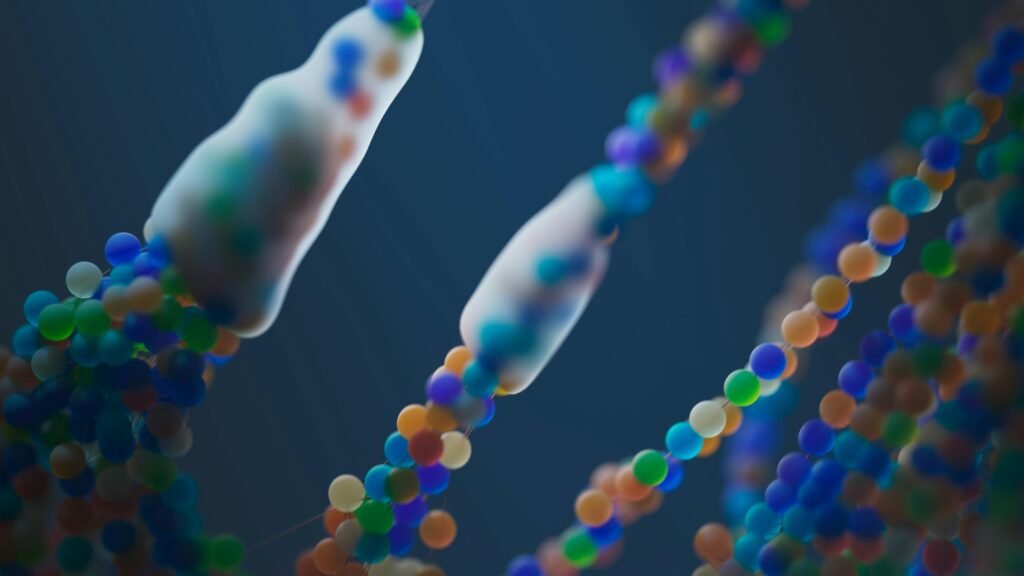
The Bottom Line: Choose Liposomal for True Cellular-Level Fertility Optimization
Regular spermidine and spermidine trihydrochloride have their place, but liposomal spermidine—particularly Progeny’s liposomal spermidine—delivers the superior bioavailability your reproductive cells deserve. In an era of delayed childbearing and rising male-factor challenges, this is the scientific edge proactive couples have been waiting for.
Shift from “hope for the best” prenatal vitamins to preconception optimization at the cellular level. Your future baby (and your fertility journey) will thank you.
Ready to start? Explore Progeny’s Liposomal Spermidine bundles designed for 30-, 60-, and 90-day cycles—perfectly timed for spermatogenesis and oocyte maturation.
External citations & further reading (all peer-reviewed):
- Zhang et al. (2023). Nature Aging – Polyamine metabolite spermidine rejuvenates oocyte quality.
- Multiple NIH/PubMed studies on spermidine, mitophagy, oxidative stress, and reproductive tissues (see ResearchSquare, PMC links in our pillar page).
- Pharmacokinetic insights on spermidine absorption (Nutrients, 2023).
Internal resources: Autophagy Fertility Optimized Conception Protocol Spermidine-Fertility Parallel Infographic Spermidine Supplementation for IVF Preparation
Pingback: Cellular Fertility Optimization: Unlocking Healthier Eggs, Sperm, and Conception at the Cellular Level - progenybrands.com
Pingback: Autophagy and Fertility: The Cellular Renewal Process Powering Preconception Optimization - progenybrands.com
Pingback: Mitophagy and Egg Quality: Reversing Mitochondrial Decline Naturally After Age 35 - progenybrands.com
Pingback: Spermidine: Sperm Motility Research Simplified - progenybrands.com
Pingback: Fertility Supplements for Couples: The His & Hers Preconception Optimization Strategy That Actually Works - progenybrands.com