Spermidine for Conception: How This Autophagy-Inducing Polyamine Optimizes Egg and Sperm Quality at the Cellular Level for Preconception Success

In the shift from prenatal vitamins to true preconception optimization, couples trying to conceive (TTC) are turning to science-backed strategies. They’re finding the best strategies are those that target cellular health before pregnancy begins. Spermidine, a naturally occurring polyamine, stands out as a powerful ally. It triggers autophagy—the body’s cellular renewal process—to combat oxidative stress, support mitochondrial function, and enhance gamete quality.
At Progeny Brands, we focus on fertility optimized at the cellular level. Our liposomal spermidine formulation delivers superior bioavailability. Preconception supplements can act as a low-cost complement to IVF cycles or natural conception efforts. This is especially true for women 30-39 and men 30-45 in TTC communities who are prioritizing research-driven solutions.
Why Spermidine Matters for Conception Optimization (Beyond Basic Prenatals)
Traditional prenatal vitamins address nutrient gaps once pregnant. Preconception optimization, however, focuses on the 90+ days of egg maturation and 74-day sperm cycle. Spermidine levels naturally decline with age and environmental stressors, impairing autophagy and allowing oxidative damage to accumulate in oocytes and sperm. Supplementing restores this balance, promoting healthier gametes and better implantation potential.
Recent studies highlight spermidine’s role in protecting reproductive cells during critical windows—post-ovulation aging and cryopreservation—without overlapping earlier research on baseline oocyte rejuvenation.
New Research: Spermidine Protects Postovulatory Aged Oocytes for Better Fertilization
Oocytes age rapidly after ovulation, a challenge in timed intercourse or IVF where eggs may wait in the lab or body. A 2024 study in Cell Communication and Signaling using porcine oocytes (a strong model for human ART) showed that 50 µM spermidine supplementation during 48-hour postovulatory aging significantly reduced cytoplasmic fragmentation (from ~50% in aged controls to near baseline).
Key improvements included:
- Maintained spindle and chromosome alignment
- Restored actin cytoskeleton dynamics
- Normalized cortical granule (CG) distribution and ovastacin content—critical for preventing polyspermy
Sperm binding and in vitro fertilization (IVF) success rates also rose. Mechanistically, spermidine strengthened mitochondrial distribution and membrane potential, lowered excess reactive oxygen species (ROS), inhibited apoptosis, and boosted autophagy markers (LC3 foci and lysosomal activity). These findings position spermidine as a practical addition for human assisted reproductive technology (ART), potentially improving embryo quality in cycles where timing matters.
Read our deep dive on autophagy and embryo quality here.
Spermidine Enhances Cryopreserved Oocyte Survival and IVF Outcomes
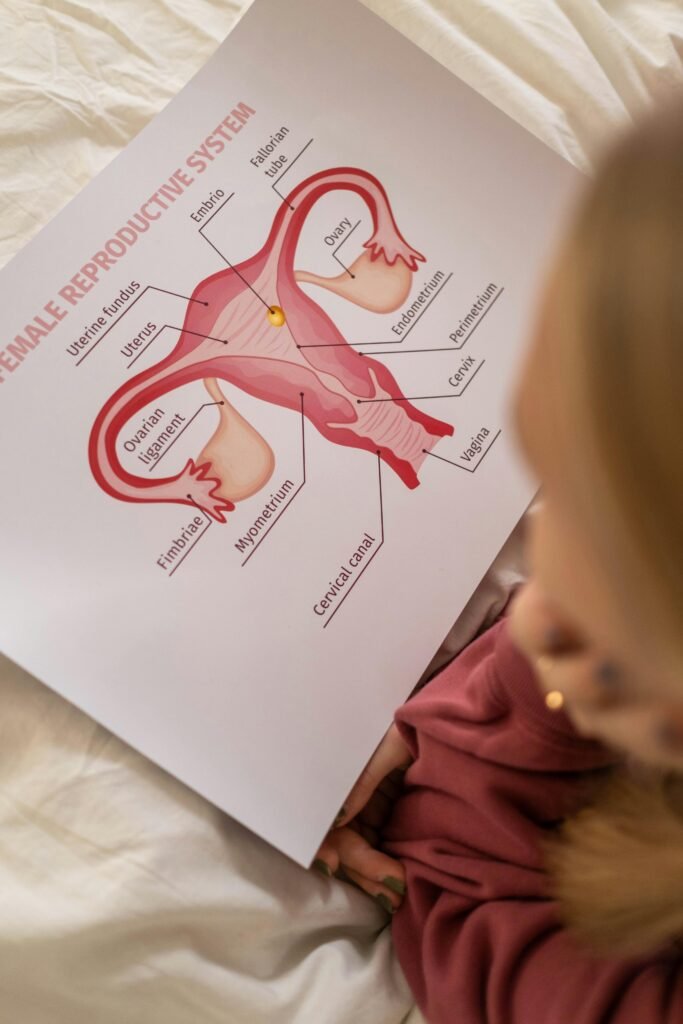
For women pursuing egg freezing or IVF, vitrification introduces oxidative stress and mitochondrial damage. A 2025 study in Antioxidants demonstrated that adding 50 µmol/L spermidine to equilibration and freezing solutions improved mouse oocyte survival post-thaw (92% vs. 82% in controls) and blastocyst formation rates after IVF (14.86% vs. 6%).
Spermidine rescued mitochondrial function (distribution, membrane potential, ATP levels), reduced ROS, restored glutathione (GSH), and normalized intracellular calcium. Transcriptome analysis showed it corrected 43.3% of vitrification-dysregulated genes and 47.3% of affected pathways, including ovarian steroidogenesis and oxidative stress signaling.
This low-cost strategy acts like “insurance” for expensive IVF cycles—aligning with data that 70% of fertility patients use supplements. Learn more in our guide to spermidine supplementation for IVF preparation.
Male Factor Support: Spermidine Shields Sperm from Heat Stress Damage
Male factor infertility accounts for up to 55% of cases, yet remains under-discussed. Emerging 2025 research shows spermidine ameliorates heat stress-induced testicular dysfunction in mice by reducing oxidative damage, preserving spermatogenesis, and improving sperm parameters.
This builds on our coverage of spermidine and male-factor infertility and addresses real-world stressors like saunas, laptops, or occupational heat—common for career-focused men 30-45. Pair it with our cellular fertility optimization approach for couples.
The Fasting-Spermidine Link: Natural Autophagy Boost for TTC Couples
Fasting-mimicking diets already support preconception autophagy. A landmark 2024 Nature Cell Biology study revealed that fasting (including 7–13 day therapeutic protocols or intermittent fasting) elevates serum spermidine levels by ~50% in human volunteers—independent of age, BMI, or weight loss.
This rise is essential for autophagy induction and longevity benefits across species. For TTC couples, it means dietary strategies (or targeted supplementation) can amplify cellular renewal naturally. See our fasting mimicking diet for autophagy post for practical protocols.
Liposomal: True Bioavailability for Real Preconception Results
Not all spermidine supplements absorb equally. Regular forms face digestive breakdown; our Liposomal technology encapsulates spermidine in lipid spheres for superior cellular delivery—critical for reaching ovarian and testicular tissues. Compare options in liposomal spermidine vs. regular spermidine.
Your Autophagy Optimized Conception Protocol Starts Here
Incorporate spermidine into the 90-day preconception window alongside diet, stress management, and our science-first protocol. Women 35+ and IVF patients report motivation from proactive, clean-label options that complement clinic care—without needing to disclose to doctors (45% of supplement users don’t).
Ready to optimize at the cellular level? Explore our bundles aligned with sperm and follicle cycles at progenybrands.com.