In the world of fertility, autophagy embryo quality and implantation success are increasingly recognized as the hidden drivers behind why some embryos thrive while others fail to implant. For women 35+ navigating advanced maternal age, delayed childbearing, or IVF cycles, understanding this cellular “recycling system” represents a powerful shift from traditional prenatal vitamins to true preconception optimization. At Progeny Brands, we focus on fertility optimized at the cellular level. Our focus—targeting autophagy to support healthier eggs, higher-quality embryos, and greater implantation rates.
If you’re in a Trying to Conceive (TTC) community, preparing for IVF, or motivated by science, this article is for you. Below we break down the research, statistics, and practical protocol that can make a measurable difference.

What Is Autophagy and Why Does It Matter for Conception?
Autophagy—literally “self-eating”—is your body’s natural cellular cleanup and renewal process. It clears damaged proteins, dysfunctional mitochondria, and oxidative stress debris that accumulate with age, poor diet, or environmental toxins. In reproductive cells, this process is critical: impaired autophagy has been directly linked to poorer oocyte and sperm quality, leading to age-related infertility.
For preconception couples, optimizing autophagy isn’t optional—it’s foundational. Think of it as cellular housekeeping that prepares eggs and sperm for the high-stakes journey of fertilization, embryo development, and implantation. Without it, oxidative stress builds, mitochondrial function declines, and embryo quality suffers—directly impacting implantation success.
How Autophagy Improves Embryo Quality: The Science of Mitophagy in Oocytes
Embryo quality begins long before transfer. High-quality embryos come from high-quality oocytes (eggs) with robust mitochondria—the cellular powerhouses that fuel early development.
Research shows autophagy, particularly mitophagy (the selective removal of damaged mitochondria), is essential here. A landmark 2023 study published in Nature Aging found that spermidine—a natural polyamine—rejuvenates oocyte quality in aged mice by enhancing mitophagy. Spermidine levels naturally decline with age; restoring them improved mitochondrial function, reduced DNA damage, and dramatically boosted fertility outcomes.
Additional studies confirm:
- Autophagic activity serves as a reliable biomarker for selecting good-quality embryos in assisted reproductive technologies (ART). Higher autophagy levels correlate with better embryo morphology, lower fragmentation, and improved developmental potential.
- Boosting autophagy reduces chromosomal abnormalities and DNA damage in eggs, directly translating to higher-quality blastocysts ready for implantation.
For women 35–45 and those with advanced maternal age, where egg quality naturally declines, supporting autophagy offers a proactive, low-cost way to improve embryo grading and euploid rates—before stepping into an IVF clinic.
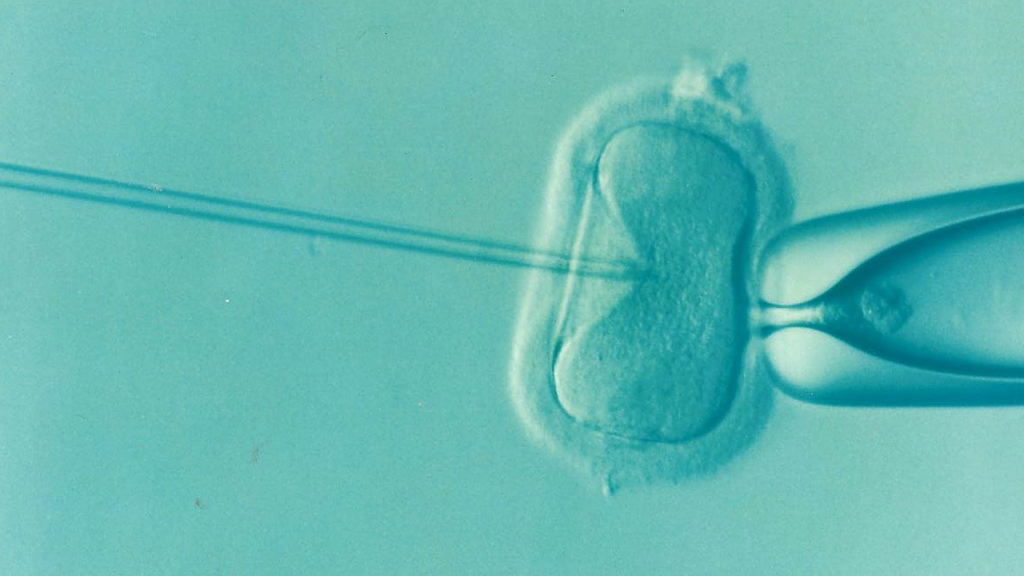
Endometrial Autophagy: The Decisive Factor in Implantation Success
Even the best embryo needs a receptive uterus. Here’s where endometrial autophagy shines.
Multiple peer-reviewed studies demonstrate that autophagy in the uterine lining is essential for successful embryo implantation and decidualization (the transformation of the endometrium to support pregnancy). Levels naturally peak during the secretory (implantation window) phase. When autophagy is impaired—by obesity, oxidative stress, or age-related decline—implantation failure rates rise.
Key evidence:
- Genetic knockout models show that disrupting autophagy-related genes (e.g., Atg16L1, RB1CC1) leads to defective decidualization and implantation failure in mice.
- Pharmacological induction of autophagy (via compounds like rapamycin or natural polyamines) improves endometrial receptivity and implantation rates, while inhibitors reduce them.
In human IVF contexts, embryos from autophagy-optimized cycles show higher implantation potential because the maternal-embryo dialogue—mediated by a healthy, autophagic endometrium—functions more effectively.
Spermidine: The Natural Autophagy Inducer Backed by Fertility Research
Spermidine stands out as one of the most studied natural autophagy inducers. Beyond the oocyte mitophagy benefits cited above, research links it to:
- Reduced follicular atresia and oxidative stress in ovarian tissue
- Improved sperm motility, morphology, and DNA integrity (relevant for the 55% of infertility cases involving male factors)
- Protection against post-ovulatory aging of oocytes in large-animal models
These mechanisms directly support autophagy embryo quality and implantation success across both natural conception and IVF preparation.
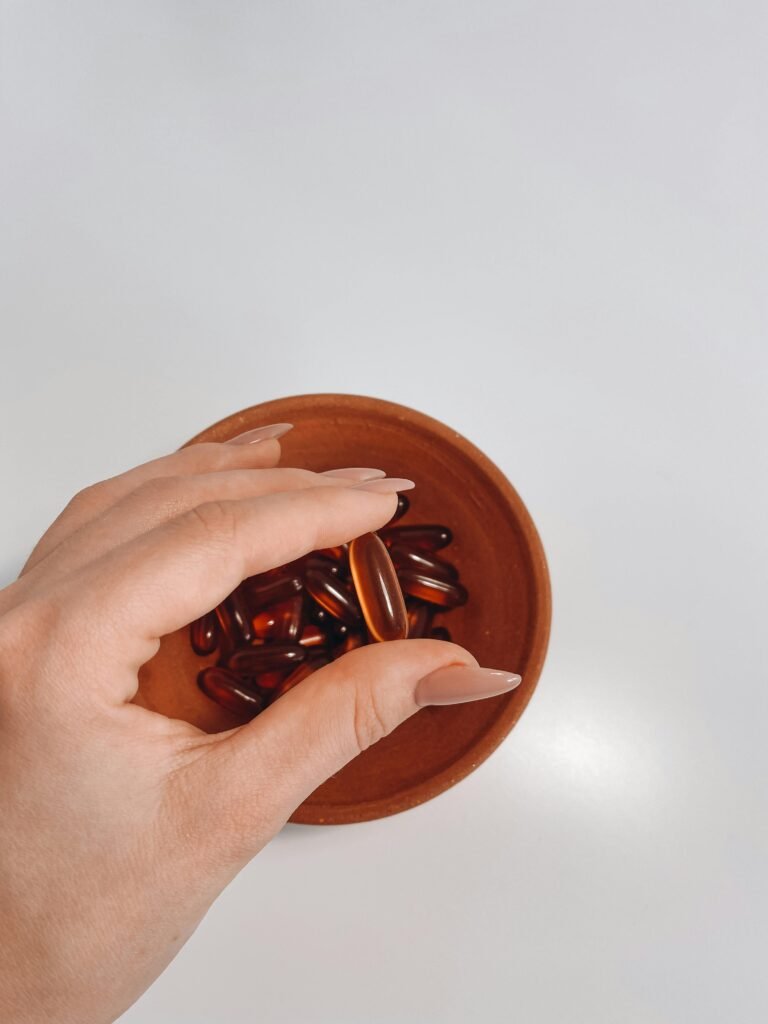
Progeny Brands leverages this science with liposomal spermidine—formulated for true bioavailability. Unlike standard spermidine supplements, our liposomal delivery ensures the compound reaches reproductive cells intact, aligning perfectly with the 74-day spermatogenesis cycle and ovarian follicle development timeline.
The Autophagy Optimized Conception Protocol: Your 90-Day Roadmap
Our evidence-based protocol mirrors the timelines of gamete maturation:
- Days 1–30: Build foundational autophagy with daily liposomal spermidine + lifestyle triggers (fasting-mimicking diet windows, moderate exercise).
- Days 31–60: Deep cellular renewal—mitochondrial cleanup peaks, oxidative stress drops.
- Days 61–90: Optimized egg/sperm quality ready for conception or IVF stimulation.
This approach complements IVF (70% of fertility patients already use supplements, yet 45% don’t disclose them to their clinics) and acts as “insurance” at a fraction of cycle costs. Read our full Autophagy Fertility Optimized Conception Protocol and the pillar page Autophagy and Fertility: The Cellular Renewal Process Powering Preconception Optimization.
Supporting resources:
- Mitophagy and Egg Quality: Mitochondrial Decline in Advanced Maternal Age
- Oxidative Stress: The Hidden Saboteur of Conception and How to Fight It
- Spermidine and Male Factor Infertility
Why This Matters for Your Fertility Journey
Whether you’re 30–39 and research-driven, part of TTC communities, or preparing for IVF, the data is clear: optimizing autophagy isn’t hype—it’s the scientific edge for better embryo quality and implantation success. The shift from prenatal vitamins to preconception cellular health is here, and Progeny Brands is leading with clean-label, IVF-compatible, discreet solutions.
Ready to optimize at the cellular level? Explore our Science of Spermidine and Fertility pillar page and start your 90-day protocol today.
Fertility optimized at the cellular level — Progeny Brands
Pingback: Spermidine for Conception: How This Autophagy-Inducing Polyamine Optimizes Egg and Sperm Quality at the Cellular Level for Preconception Success - progenybrands.com