In the evolving landscape of reproductive health, the conversation is shifting dramatically from prenatal vitamins to preconception optimization—a proactive, science-driven approach to building the healthiest eggs, sperm, and embryos possible at the cellular level. At the heart of this shift lies polyamine fertility support, with spermidine emerging as a powerhouse polyamine metabolite that combats reproductive aging, reduces oxidative stress, and activates autophagy and mitophagy.

For couples in their 30s and 40s—especially educated, career-focused women delaying childbearing and men facing the reality that male factor infertility accounts for up to 55% of cases—polyamine fertility support offers a targeted, evidence-based strategy. It aligns perfectly with the Autophagy Optimized Conception Protocol, emphasizing cellular health long before conception. Whether preparing naturally or supporting IVF (where 70% of patients already use supplements but 45% don’t disclose them to doctors), polyamine fertility support via high-bioavailability spermidine supplementation can act as low-cost “insurance” for your reproductive future.
Progeny Brands is pioneering this cellular-first approach to fertility. With our liposomal delivery technology for true bioavailability, we deliver spermidine where it matters most—inside your cells—to optimize egg quality after 35, enhance sperm motility and morphology, and promote healthier conception outcomes.
What Are Polyamines and Why Do They Matter for Fertility?
Polyamines are small, naturally occurring organic compounds—primarily putrescine, spermidine, and spermine—essential for cell growth, DNA stability, protein synthesis, and autophagy. First discovered in semen (hence the name “spermidine”), these molecules play critical roles in reproductive processes across both sexes.
In fertility, polyamines regulate:
- Sperm motility and morphology: They help maintain ion balance (especially calcium) inside sperm cells, directly influencing swimming ability and fertilization potential.
- Oocyte maturation and embryo development: They support mitochondrial function and protect against chromosomal abnormalities.
- Autophagy and mitophagy: Spermidine is one of the most potent natural inducers of these cellular “cleanup” processes, clearing damaged components that accumulate with age and oxidative stress.
Unlike generic prenatal vitamins that focus on folic acid and basic nutrients after conception, polyamine fertility support targets preconception optimization by addressing root causes at the cellular level: declining polyamine levels, mitochondrial dysfunction, and oxidative stress—the hidden saboteurs of egg and sperm quality.
Internal link: Learn more in our pillar guide, The Science of Spermidine and Fertility.

The Science of Polyamine Decline in Reproductive Aging
As we age, endogenous polyamine levels—particularly spermidine—naturally decline. Untargeted metabolomics studies show significantly lower spermidine concentrations in the ovaries of aged mice compared to young ones. This decline correlates directly with reduced follicle development, poorer oocyte quality, and lower fertility rates.
Similar patterns appear in human reproductive tissues. Oxidative stress and lifestyle factors accelerate this drop, creating a vicious cycle: damaged mitochondria produce more reactive oxygen species (ROS), further impairing cellular energy and increasing apoptosis (programmed cell death) in eggs and sperm.
This is especially relevant for advanced maternal age (35–45), where egg quality degrades rapidly, and for men 30–45, where male factor issues often go undiscussed despite comprising the majority of infertility cases.
How Polyamine Fertility Support Enhances Egg Quality After 35
For women 30–39 and especially those 35+, the gold-standard research comes from a landmark 2023 study published in Nature Aging. Researchers found that spermidine supplementation in aged mice (equivalent to women in their early 40s) dramatically improved multiple markers of oocyte health:
- Restored ovarian spermidine levels
- Increased follicle development and oocyte maturation rates (polar body extrusion improved from ~40–50% in aged controls to ~70–80% in treated groups)
- Reduced oocyte fragmentation, spindle abnormalities, chromosome misalignment, and aneuploidy
- Enhanced early embryonic development and nearly doubled litter sizes in vivo
- Mechanism: Enhanced mitophagy (selective autophagy of damaged mitochondria) and mitochondrial function, with conserved benefits in porcine oocytes under oxidative stress
A 2024 follow-up study in Cell Communication and Signaling confirmed these effects in postovulatory aged porcine oocytes. Spermidine supplementation strengthened mitochondrial membrane potential, reduced ROS and apoptosis, restored cortical granule dynamics, and significantly improved sperm binding and fertilization rates via IVF.
These findings position polyamine fertility support as a game-changer for improving egg quality after 35—far beyond traditional prenatal vitamins.
Internal link: See our in-depth article on How to Improve Egg Quality After 35.
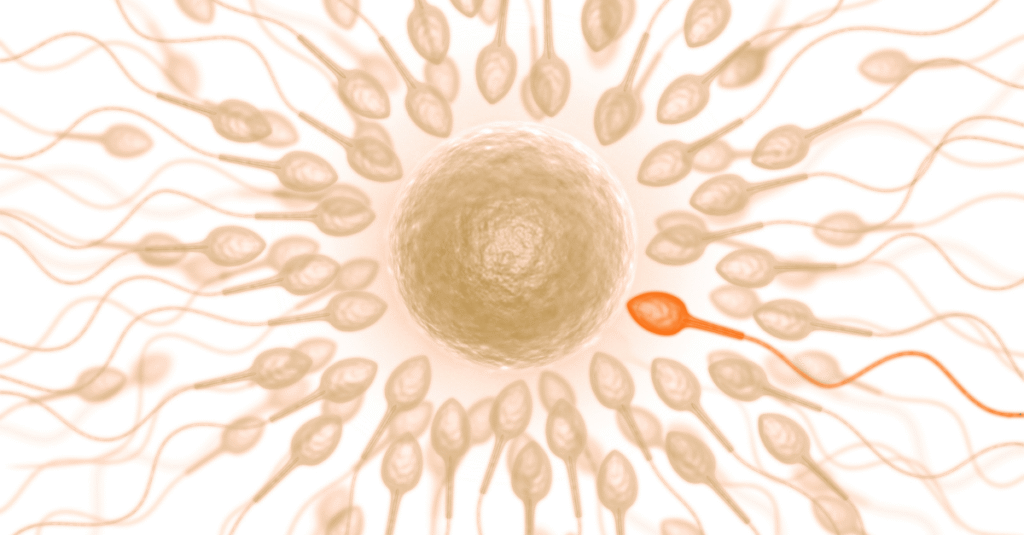
Polyamine Support for Male Factor Infertility: Boosting Sperm Quality and Motility
Male factor infertility is common yet under-discussed. Polyamines, particularly spermidine and spermine, are naturally concentrated in semen and directly support spermatogenesis, sperm motility, and DNA integrity.
Preclinical research shows spermidine:
- Improves sperm motility and morphology
- Protects against oxidative stress-induced damage
- Rescues testicular dysfunction in toxin-exposed models
- Enhances mitochondrial function in sperm cells
One study highlighted spermidine’s ability to ameliorate spermatogenic disorders by reducing oxidative stress and supporting cellular repair pathways—critical since poor sperm quality often stems from mitochondrial dysfunction and ROS overload.
For men 30–45 in TTC communities, adding polyamine fertility support alongside lifestyle changes offers a discreet, science-backed way to optimize sperm parameters before conception or IVF.
Internal link: Dive deeper in Spermidine and Male Factor Infertility.
Autophagy, Mitophagy, and Oxidative Stress: The Cellular Keys to Conception Success
Fertility autophagy is the cornerstone of Progeny Brands’ approach. Spermidine potently induces autophagy—the cellular recycling process that clears damaged proteins and organelles. Mitophagy, its mitochondrial-specific form, is especially vital for oocytes and sperm, which rely heavily on healthy mitochondria for energy during maturation and fertilization.
By activating these pathways, polyamine fertility support:
- Reduces oxidative stress (a primary driver of egg and sperm damage)
- Lowers DNA fragmentation
- Improves embryo quality and implantation potential
This is why we call it Fertility optimized at the cellular level.
Internal link: Explore Autophagy and Fertility: The Cellular Renewal Process Powering Preconception Optimization.
Natural Sources vs. Supplementation: Why Liposomal Spermidine Delivers True Bioavailability
Dietary polyamines are found in wheat germ, soybeans, aged cheese, mushrooms, and green peas. However, achieving therapeutic levels through diet alone is challenging, especially with modern processed foods and age-related absorption declines.
This is where targeted supplementation shines. Regular spermidine has poor bioavailability due to digestion and first-pass metabolism. Progeny Brands’ liposomal technology encapsulates spermidine in lipid spheres, protecting it for superior cellular uptake and true bioavailability—exactly what your eggs and sperm need during the critical 74-day spermatogenesis cycle and ovarian follicle development window.
Our 90-day bundles align perfectly with these biological timelines, making preconception optimization convenient and effective.
Internal link: Compare delivery methods in Liposomal Spermidine vs. Regular Spermidine.
The Autophagy Optimized Conception Protocol: Your Roadmap to Polyamine Fertility Support
Progeny Brands’ protocol integrates:
- Daily Liposomal Spermidine
- Evidence-based lifestyle practices (fasting-mimicking diet windows to further boost autophagy)
- Oxidative stress management
- Timed supplementation aligned with reproductive cycles
Internal link: Follow the full Autophagy Fertility Optimized Conception Protocol.
Polyamine Fertility Support for IVF Preparation: Low-Cost Insurance for Higher Success
IVF is expensive. Supplements represent just 1% of typical cycle costs yet can meaningfully support egg and embryo quality. Polyamine fertility support complements clinical protocols by enhancing mitochondrial health and reducing oxidative damage—key predictors of implantation success.
Internal link: Read Spermidine Supplementation for IVF Preparation: The Low-Cost Insurance Strategy.
Ready to Optimize Your Fertility at the Cellular Level?
Polyamine fertility support, anchored by spermidine’s ability to rejuvenate oocytes, enhance sperm quality, and activate autophagy, represents the future of preconception care. For TTC couples seeking scientific credibility, clean-label solutions, and real cellular results, it’s time to move beyond basic prenatals.
Start your Autophagy Optimized Conception Protocol today with Progeny Brands’ liposomal spermidine. Your future family deserves the healthiest start possible—at the cellular level.