If you’re searching for how to boost your fertility as a woman, you’re joining millions of educated, proactive women in their 30s and 40s who want more than generic prenatal advice. Modern fertility challenges often stem from declining egg quality, rising oxidative stress, and reduced cellular cleanup processes like autophagy as we age. The good news? Targeted preconception optimization—focusing on cellular health months or years before trying to conceive—can meaningfully support your reproductive potential.
At Progeny Brands, we champion moving beyond basic prenatal vitamins to fertility optimized at the cellular level. This means addressing the root biological drivers of egg quality through autophagy activation, mitophagy (mitochondrial cleanup), and antioxidant defense. Whether you’re navigating advanced maternal age, preparing for IVF, or simply wanting the healthiest possible start for conception, evidence-based strategies exist that respect your body’s natural processes.
Why Female Fertility Changes with Age—and Why Preconception Optimization Matters
Female fertility peaks in the 20s and gradually declines, accelerating after 35. Key factors include:
- Fewer eggs (ovarian reserve)
- Declining egg quality due to mitochondrial dysfunction
- Increased oxidative stress damaging DNA and cellular structures
- Reduced efficiency of autophagy, the body’s cellular recycling system
A landmark 2023 study in Nature Aging demonstrated that spermidine—a natural polyamine—rejuvenates oocyte quality in aged mice by enhancing mitophagy, the selective removal of damaged mitochondria. This mechanism was conserved in porcine oocytes under oxidative stress, and supplementation nearly doubled the number of offspring in older mice.
Oxidative stress acts as a hidden saboteur of conception by damaging follicles and accelerating atresia (follicle loss). Research shows spermidine helps protect ovarian function by reducing follicular atresia, lowering oxidative markers, and supporting antioxidant enzyme activity.
This is why preconception optimization to boost fertility as a woman beats reactive prenatal care. Starting 3–6 months before trying to conceive aligns with the time needed for follicle recruitment and development.
Internal link: Learn more in our pillar page on conception strategies for advanced maternal age and women over 35.
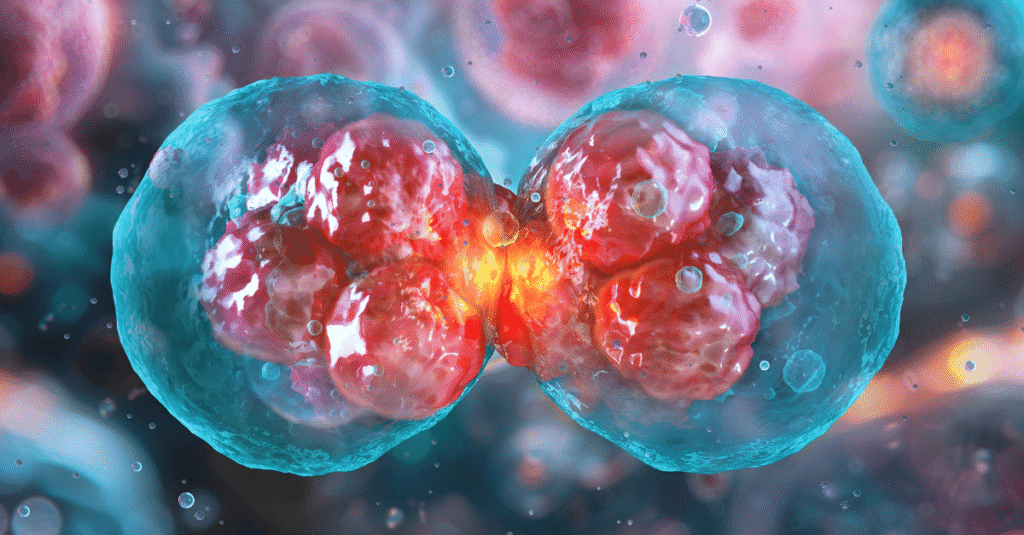
The Cellular Key: Autophagy, Mitophagy & Fighting Oxidative Stress
Autophagy is your cells’ built-in renewal system—it clears damaged components so healthy ones can thrive. In oocytes, mitophagy specifically maintains mitochondrial health, which is critical for energy-intensive processes like maturation and fertilization.
As women age, autophagy efficiency drops. This contributes to poorer egg quality, higher aneuploidy rates, and reduced implantation success. Supporting autophagy naturally becomes a powerful lever to boost fertility as a woman.
Spermidine stands out as one of the most potent natural autophagy inducers. Beyond the Nature Aging findings, additional research shows it protects against ovarian aging and reduces oxidative stress in ovarian tissue.
A 2025 study further confirmed that spermidine supplementation protects oocytes from environmental toxins (like triclosan) by stabilizing the cytoskeleton, reducing oxidative stress, and suppressing apoptosis—restoring maturation competence.
Internal links:
- Autophagy and fertility: The cellular renewal process powering preconception optimization
- Mitophagy and egg quality: Reversing mitochondrial decline naturally after age 35
- Oxidative stress: The hidden saboteur of conception and how to fight it
Lifestyle Foundations That Actually Move the Needle
Supplements work best when layered on strong lifestyle habits:
- Nutrition: Emphasize antioxidant-rich foods (berries, leafy greens, nuts, fatty fish) and consider a Mediterranean-style pattern. Some women explore fasting-mimicking diets (FMD) under guidance; a recent pilot trial showed FMD can improve autophagic flux and metabolic markers in humans.
- Exercise: Moderate activity (walking, strength training, yoga) supports hormone balance and reduces inflammation. Avoid excessive high-intensity training that can disrupt cycles.
- Sleep & Stress Management: Prioritize 7–9 hours of quality sleep. Chronic stress elevates cortisol, which can interfere with ovulation and egg quality. Techniques like meditation or acupuncture may help.
- Toxin Reduction: Minimize exposure to endocrine disruptors (plastics, pesticides, certain cosmetics). Choose clean personal care products.
- Weight & Metabolic Health: Both underweight and overweight states can affect ovulation and egg quality. Aim for a balanced, sustainable approach.
Internal link: Explore autophagy and dieting for preconception.
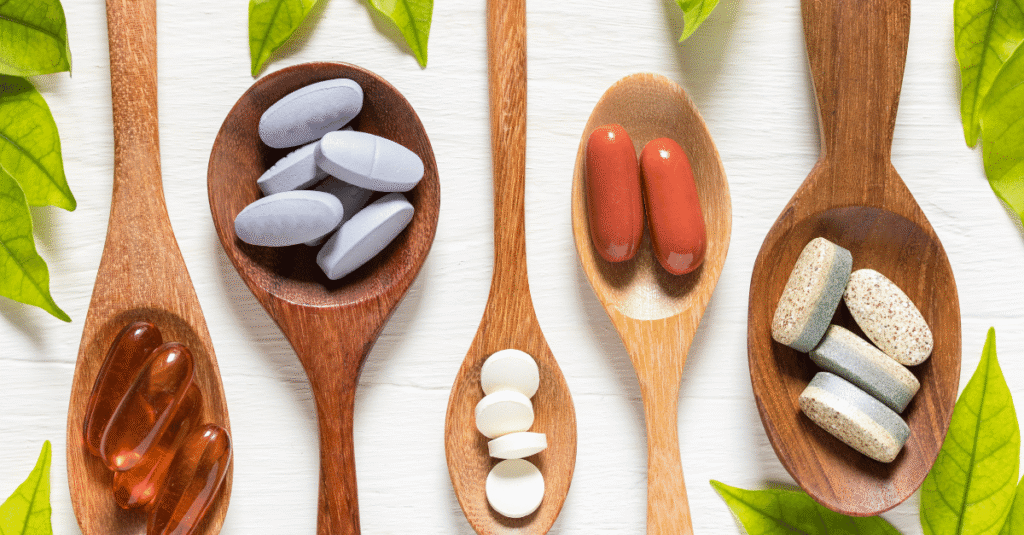
Science-Backed Supplementation for Cellular Fertility Support
While lifestyle forms the foundation, targeted nutrients address specific cellular needs:
Spermidine (Liposomal Delivery) The standout for autophagy and mitophagy support in oocytes. True liposomal encapsulation protects the molecule through digestion and improves bioavailability compared to standard forms. This is why we developed Liposimol™ with genuine liposomal technology.
CoQ10 Supports mitochondrial energy production in eggs. Often studied alongside other antioxidants for women over 35.
N-Acetyl Cysteine (NAC) Boosts glutathione, a master antioxidant. Helps combat oxidative stress in both female and male reproductive systems. See our complete guide: NAC for fertility – the complete 2026 guide for both him and her.
Other Evidence-Based Nutrients Vitamin D (test and replete if low), myo-inositol (especially helpful for insulin-sensitive or PCOS-like patterns), and omega-3 fatty acids (anti-inflammatory support).
The most effective approach uses synergistic blends timed to biological cycles—our 30/60/90-day protocols align with ovarian follicle development timelines.
Internal links:
- The science of spermidine and fertility
- Liposomal spermidine: Why bioavailability is non-negotiable for fertility autophagy
- Best fertility supplements for women over 35
The Autophagy Optimized Conception Protocol
Our signature framework combines lifestyle, targeted nutrition, and cellular renewal support into a practical 90-day preconception plan. It emphasizes:
- Daily autophagy activation through spermidine and supportive nutrients
- Mitochondrial protection (CoQ10 + NAC synergy)
- Oxidative stress reduction
- Alignment with your natural cycle
Many women preparing for IVF or IUI use this approach as low-cost cellular “insurance.” Research indicates 70% of fertility patients already use supplements, yet 45% don’t disclose them to their doctors—highlighting the need for transparent, science-aligned options that complement medical care.
Internal link: Discover the full framework in The autophagy fertility optimized conception protocol.

Realistic Timelines & When to Seek Professional Support
Egg and follicle quality improvements generally require consistent effort over 3+ months. Track progress with your doctor via AMH, antral follicle count, and other markers if relevant.
See a reproductive endocrinologist if you:
- Are over 35 and have been trying 6+ months
- Have irregular cycles, known conditions (PCOS, endometriosis, thyroid issues)
- Are preparing for IVF/IUI
Supplements support but do not replace medical evaluation or treatment.
FAQ: How to Boost Your Fertility as a Woman
How long does it take to boost fertility naturally? Most experts recommend 3–6 months of consistent preconception optimization for meaningful cellular changes in egg quality and follicle development.
Do fertility supplements really work for egg quality? Evidence shows specific nutrients (particularly those supporting mitochondria and reducing oxidative stress) can improve markers of egg quality in research settings. Results vary by individual.
Can I take supplements while preparing for IVF? Many patients do. Choose clean, research-aligned formulas and always inform your clinic. Our approach is designed to complement—not interfere with—medical protocols.
What’s the difference between prenatal vitamins and preconception optimization? Prenatals focus on pregnancy support (folic acid, iron, etc.). Preconception optimization targets the pre-pregnancy cellular environment—autophagy, mitophagy, and oxidative stress—to support healthier eggs and sperm from the start.
Is spermidine safe for women trying to conceive? Current research in animal models is promising for oocyte quality. Human data is still emerging; consult your healthcare provider before starting any new supplement.
Take the Next Step Toward Cellular Fertility Optimization
Boosting your fertility as a woman in 2026 means embracing both timeless lifestyle wisdom and cutting-edge cellular science. By targeting autophagy, mitigating oxidative stress, and supporting mitochondrial health, you give your body the best possible foundation—whether you’re trying naturally or preparing for assisted reproduction.
Ready to implement a science-backed protocol designed specifically for this purpose?
Explore our Autophagy Optimized Conception Protocol and discover Liposimol™—our liposomal spermidine formulation engineered for true bioavailability and fertility-focused cellular support.
Fertility optimized at the cellular level. Your future family deserves the healthiest start possible.