In the shift from prenatal vitamins to true preconception optimization, one truth stands out: cellular health determines conception success. For women 35+ and couples facing male factor infertility, autophagy—the body’s built-in cellular renewal process—is the key to healthier eggs, robust sperm, and higher IVF success rates. At the center of this process is spermidine, a natural polyamine that triggers autophagy and mitophagy (the selective cleanup of damaged mitochondria). But here’s what most supplements miss: standard spermidine simply doesn’t reach reproductive cells in sufficient quantities. That’s why liposomal spermidine—and Progeny Brands’ Liposomal autophagy formulation—delivers the true bioavailability required for fertility autophagy.
Fertility optimized at the cellular level.

The Hidden Crisis: Declining Autophagy in Reproductive Cells
As we age, autophagy naturally slows. In oocytes (eggs), this leads to accumulated mitochondrial damage, oxidative stress, and poorer embryo quality. Research shows that by age 35, egg quality declines sharply due to this mitochondrial dysfunction. In men, reduced autophagy contributes to lower sperm motility, abnormal morphology, and DNA fragmentation—factors now linked to up to 55% of infertility cases.
Spermidine acts as a master regulator: it restores autophagy, clears damaged cellular components, reduces oxidative stress, and protects ovarian tissue from follicular atresia. Studies confirm spermidine supplementation rejuvenates oocyte quality by enhancing mitophagy, improves sperm motility and morphology, and even rescues testicular dysfunction in animal models. Yet these benefits only materialize when spermidine actually reaches the cells where it’s needed most.
Why Regular Spermidine Falls Short: The Bioavailability Barrier
Oral spermidine from food or standard supplements faces multiple obstacles:
- Presystemic metabolism: A 2023 pharmacokinetic study found that even high-dose spermidine (15 mg/day) does not raise plasma spermidine levels—it is rapidly converted to spermine before entering systemic circulation.
- Gastrointestinal degradation: Stomach acid and enzymes can break down unprotected spermidine, reducing the amount that reaches target tissues.
- Poor cellular uptake: Reproductive cells (oocytes and sperm) demand high intracellular concentrations to activate autophagy pathways like AMPK and SIRT1. Standard forms simply don’t deliver enough.
Result? You may take a “spermidine fertility” supplement, but your eggs and sperm never receive the full autophagy-activating dose. This is especially critical during the 74-day spermatogenesis cycle in men and the 90-day follicular development window in women—periods where consistent, high-bioavailability support makes all the difference.
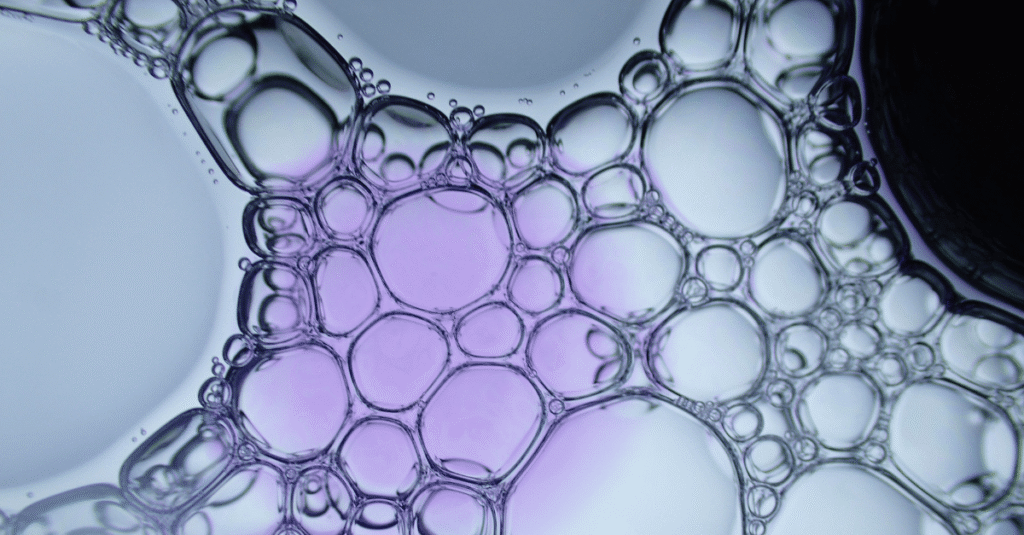
Liposomal Delivery: Engineered for True Bioavailability in Fertility
Liposomal technology encapsulates spermidine in phospholipid spheres that mimic cell membranes. This creates a protective shield that:
- Survives stomach acid and reaches the small intestine intact.
- Enhances absorption through the gut lining via lipid-mediated transport.
- Increases intracellular delivery directly into reproductive cells.
Commercial liposomal spermidine products already demonstrate superior uptake compared to regular forms, with some formulations claiming up to 99% cellular absorption efficiency. In the context of fertility, this means higher spermidine levels inside oocytes and sperm—exactly where mitophagy must occur to reverse age-related decline.
Progeny Brands’ Liposomal autophagy plus blend takes this further with a fertility-optimized liposomal matrix designed for maximum bioavailability. Unlike generic liposomal products, Liposomal Autophagy Plus is formulated to support the precise cellular processes documented in peer-reviewed fertility research—mitochondrial renewal, oxidative stress reduction, and autophagy induction in reproductive tissues.
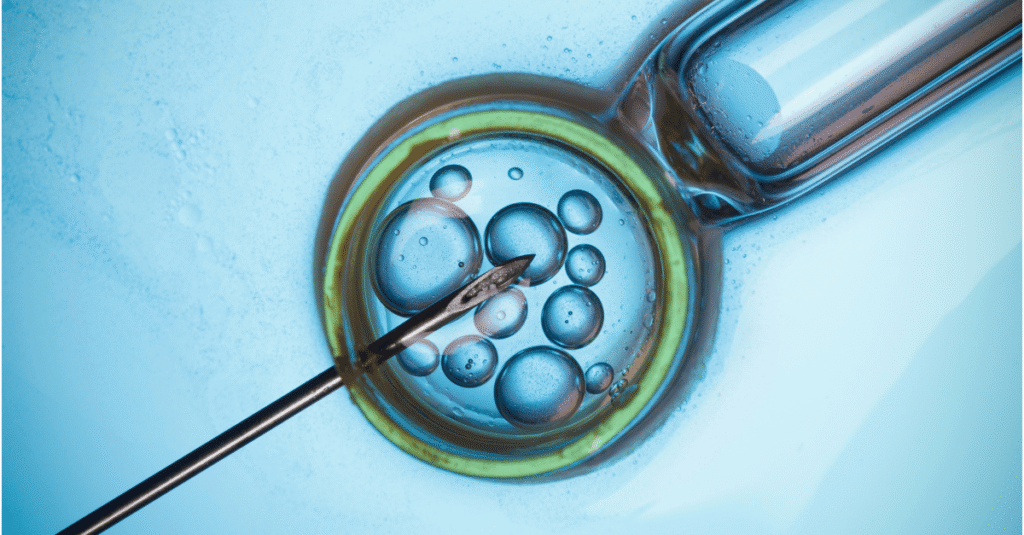
Science-Backed Outcomes: From Oocyte Quality to IVF Preparation
- Egg quality after 35: Spermidine-driven mitophagy restores mitochondrial function in aging oocytes, improving maturation, fertilization rates, and embryo viability (Nature Aging, 2023). Liposomal delivery ensures these intracellular levels are achieved.
- Male factor infertility supplements: Spermidine protects sperm DNA, enhances motility and morphology, and reduces oxidative stress—the leading cause of male infertility.
- IVF support: 70% of fertility patients already use supplements, yet 45% don’t disclose them. Liposomal spermidine offers a low-cost (under 1% of an IVF cycle) “insurance” strategy that complements clinical protocols without interference.
- Oxidative stress defense: By boosting autophagy, liposomal spermidine neutralizes the hidden saboteur of conception.
These outcomes align perfectly with the Autophagy Optimized Conception Protocol—a 90-day timeline that mirrors natural reproductive cycles.
Your Preconception Optimization Protocol Starts Here
Ready to move beyond generic prenatal vitamins? Incorporate Liposomal Spermidine into your daily routine as part of a science-driven protocol:
- Days 1–90: Daily Liposomal Spermidine + autophagy-supporting diet (see our guide to autophagy and dieting for preconception).
- For her: Pair with strategies to improve egg quality after 35.
- For him: Target male factor infertility with proven sperm support.
- For both: Follow the full Autophagy Fertility Optimized Conception Protocol.
Explore the science of spermidine and fertility and compare delivery systems in liposomal spermidine vs regular spermidine.
External research for deeper reading:
- Spermidine supplementation improves fertility in aged female mice (Nature Aging)
- Autophagy and female fertility review (MDPI Cells)
- High-dose spermidine pharmacokinetics (Nutrients, 2023)
Pingback: NAC (N-Acetyl Cysteine) for Fertility: The Complete 2026 Guide For Both Him and Her - progenybrands.com