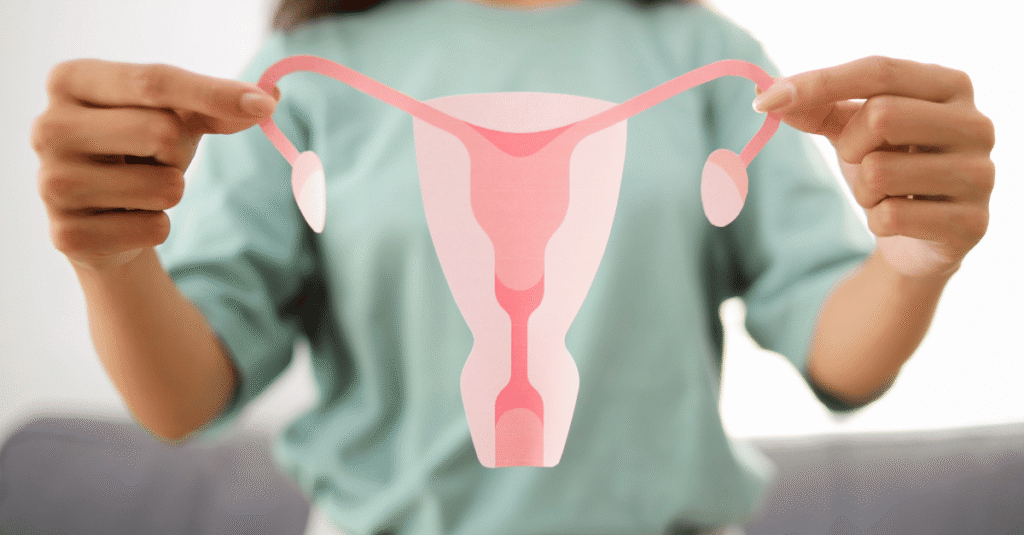
If you’re over 35, preparing for IVF, or simply want to give your eggs and sperm the best possible foundation, CoQ10 (coenzyme Q10) is one of the most researched and promising supplements in the fertility space today. While many people focus on prenatal vitamins once pregnant, the real opportunity lies in preconception optimization — supporting cellular health, mitochondrial function, and oxidative stress reduction before conception.
CoQ10 plays a central role in this process. It fuels the mitochondria (your cells’ power plants) and acts as a potent antioxidant, directly addressing the oxidative stress that silently undermines egg quality, sperm parameters, and IVF outcomes.
At Progeny Brands, we view CoQ10 as a powerful complementary nutrient to our core focus on autophagy and mitophagy — the cellular cleanup processes that remove damaged mitochondria and support renewal. When paired thoughtfully, these mechanisms create a comprehensive approach to cellular fertility optimization.
What Is CoQ10 and Why Does It Matter for Fertility?
CoQ10 is a fat-soluble compound naturally produced by the body and found in every cell, with the highest concentrations in energy-demanding tissues like the heart, brain, and reproductive organs. It exists in two main forms:
- Ubiquinone — the oxidized form commonly found in many supplements.
- Ubiquinol — the reduced, active antioxidant form. Many experts prefer ubiquinol for fertility support, especially for women over 35, because absorption and conversion efficiency can decline with age.
Inside the mitochondria, CoQ10 is essential for the electron transport chain (the process that generates ATP, your cells’ energy currency). It also neutralizes reactive oxygen species (ROS) — unstable molecules that cause oxidative damage.
Why this matters for fertility: Both eggs and sperm are extraordinarily energy-dependent. Oocytes (egg cells) contain the highest number of mitochondria of any cell in the body. As we age, mitochondrial function declines, oxidative stress rises, and egg quality suffers — contributing to lower fertilization rates, poorer embryo quality, and reduced IVF success. Sperm face similar challenges: oxidative stress damages motility, morphology, and DNA integrity.
CoQ10 directly targets these issues by supporting mitochondrial energy production and defending against oxidative damage — the same “hidden saboteur” we explore in depth in our guide to oxidative stress and conception.
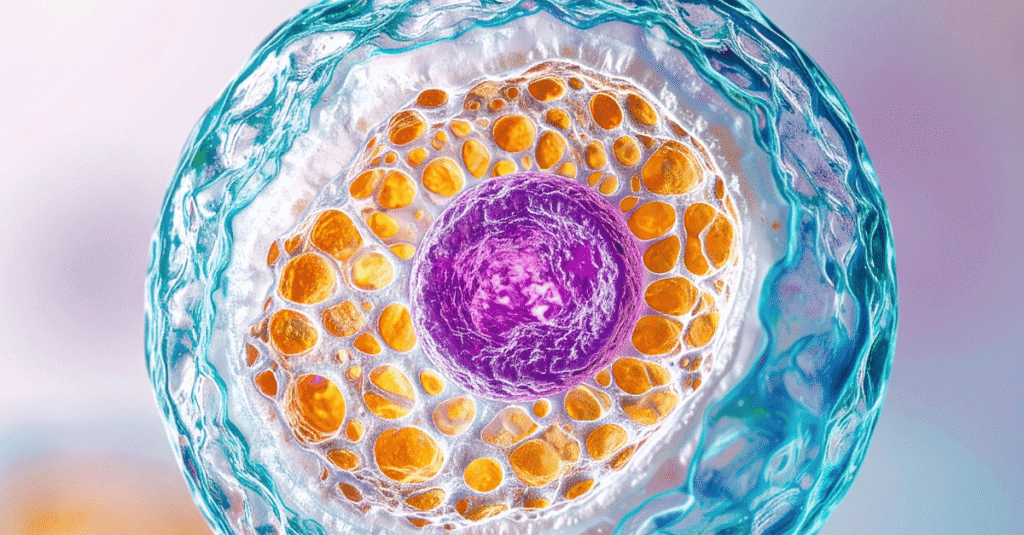
CoQ10 for Women’s Fertility & Egg Quality (Especially After 35)
Age-related decline in egg quality is largely a story of mitochondrial dysfunction and accumulated oxidative stress. CoQ10 supplementation has shown particular promise here.
Key evidence includes:
- Clinical studies and meta-analyses in women with diminished ovarian reserve (DOR) undergoing IVF/ICSI demonstrate that CoQ10 pretreatment is associated with more oocytes retrieved, higher numbers of high-quality embryos, improved clinical pregnancy rates, lower cycle cancellation rates, and reduced miscarriage risk in some analyses.
- In one randomized trial involving women with poor ovarian response, CoQ10 improved ovarian response, fertilization rates, and embryo quality.
- An in vitro study on human oocytes from women aged 38–46 found that adding CoQ10 to the maturation medium significantly increased maturation rates and reduced aneuploidy (chromosomal abnormalities) compared to controls.
- Broader reviews highlight CoQ10’s role in enhancing mitochondrial health, combating oxidative stress, and supporting a more favorable ovarian environment — benefits that appear most pronounced in women of advanced reproductive age or with reduced ovarian reserve.
These improvements in intermediate markers (egg quantity/quality, embryo development) are especially meaningful because they occur upstream of implantation and pregnancy outcomes. For women 35–45 who are research-driven and proactive, CoQ10 represents a low-risk, science-backed tool in the preconception toolkit.
Explore more: See our detailed guides on how to improve egg quality after 35 and mitophagy and egg quality.
CoQ10 for Male Fertility & Sperm Health
Male factor infertility contributes to approximately 55% of cases, yet it remains under-discussed. CoQ10 is one of the best-supported supplements for men.
Clinical findings:
- In men with idiopathic oligoasthenozoospermia, 200 mg/day of CoQ10 for three months significantly improved sperm concentration, progressive motility, and total motility. It also boosted seminal antioxidant capacity (TAC and GPx), reduced reactive oxygen species (ROS), and lowered sperm DNA fragmentation (SDF) — a critical factor in miscarriage risk and embryo quality.
- Seminal CoQ10 levels correlated positively with sperm concentration and motility; SDF correlated negatively with motility.
- Additional studies show benefits for sperm morphology and preservation of motility/morphology during cryopreservation.
- Systematic reviews confirm CoQ10’s positive effects on semen parameters, oxidative stress reduction, and DNA integrity in infertile men, with some evidence of improved pregnancy rates.
For men 30–45 focused on optimizing sperm motility, morphology, and DNA integrity, CoQ10 is a strong, evidence-aligned choice — especially when combined with lifestyle changes and other targeted nutrients.
Learn more: Read our pillar on spermidine and male factor infertility and autophagy and male sperm motility/morphology.

CoQ10 and IVF Success
Multiple meta-analyses and clinical reviews show CoQ10 pretreatment can improve IVF/ICSI outcomes, particularly for women with DOR or diminished ovarian response:
- Increased clinical pregnancy rates
- Higher numbers of oocytes retrieved and high-quality embryos
- Lower cycle cancellation and, in some data, miscarriage rates
- Reduced total gonadotropin dose and stimulation days (important for patient comfort and cost)
While not every study shows statistically significant gains in live birth rates (larger trials are still needed), the consistent improvements in ovarian response and embryo quality make CoQ10 a valuable supportive strategy — especially since IVF cycles are expensive and emotionally demanding. Many view targeted supplementation as a form of “insurance” on the process.
CoQ10 + Spermidine: Complementary Mechanisms for Cellular Renewal
This is where Progeny Brands’ positioning shines. CoQ10 primarily supports mitochondrial energy production and antioxidant defense. Spermidine, the star of our Liposimol™ formulations, is a potent inducer of autophagy and mitophagy — the processes that selectively clear damaged mitochondria so healthier ones can take their place.
Recent research on ubiquinol (the active form of CoQ10) shows it can promote mitochondrial biogenesis and enhance mitophagy pathways in oocytes. When you combine mitochondrial support (CoQ10) with enhanced cleanup and renewal (spermidine), you get a synergistic, multi-layered approach to cellular fertility optimization.
This is why many of our formulation discussions explore thoughtful co-loading of spermidine with CoQ10 and NAC — delivering complementary benefits for both men and women in a single, bioavailable protocol. Our Autophagy Optimized Conception Protocol and Science of Spermidine and Fertility pages dive deeper into this cellular renewal framework.
Recommended CoQ10 Dosage, Timing & Form for Fertility
Typical evidence-based dosing in fertility studies ranges from 200–600 mg per day, often divided into two doses.
- Women over 35 or with DOR: Many protocols use 300–600 mg/day (ubiquinol preferred) for at least 8–12 weeks, ideally 2–3 months or longer before IVF or timed conception attempts. This aligns with the ~74-day spermatogenesis cycle and the time needed for follicular development.
- Men: 200–300 mg/day has shown benefits in 3-month studies.
- General preconception support: 200–400 mg/day is common.
Form matters: Ubiquinol generally offers superior bioavailability, particularly as we age. Look for third-party tested products. True liposomal or enhanced-absorption technologies (a core focus at Progeny) can further improve uptake and cellular delivery.
Take with a meal containing fat for better absorption. CoQ10 is generally very safe and well-tolerated, even at higher doses used in studies.
Choosing a Quality CoQ10 Supplement
Not all CoQ10 is created equal. Prioritize:
- Bioavailable form (ubiquinol or clinically tested enhanced forms)
- Third-party testing for purity and potency
- Clean label (minimal fillers, no unnecessary additives)
- Transparent sourcing and manufacturing
At Progeny Brands we obsess over true bioavailability — which is why our Liposimol™ approach emphasizes genuine liposomal encapsulation rather than simple blends. The same principle applies when evaluating any CoQ10 product.
Potential Side Effects & Safety
CoQ10 has an excellent safety profile. Mild digestive upset is rare. It can interact with certain medications (e.g., blood thinners, some blood pressure drugs), so consult your doctor — especially if you have medical conditions or are undergoing fertility treatment. Always disclose all supplements to your reproductive endocrinologist.
Integrating CoQ10 into Your Preconception Protocol
CoQ10 works best as part of a holistic, cellular-first strategy:
- Address oxidative stress and mitochondrial support (CoQ10 + NAC)
- Activate autophagy/mitophagy for renewal (spermidine)
- Optimize overall lifestyle (Mediterranean-style diet, sleep, stress management, toxin reduction)
- Time supplementation to biological cycles (minimum 2–3 months)
Our 90-day Autophagy Fertility Optimized Conception Protocol provides a structured framework many couples use successfully alongside medical care.
Frequently Asked Questions About CoQ10 for Fertility
Does CoQ10 really improve egg quality? Evidence from clinical trials and meta-analyses shows it can improve markers of ovarian response, oocyte quality, and embryo development, particularly in women over 35 or with diminished ovarian reserve. Results vary by individual.
How long does it take for CoQ10 to work for fertility? Most studies show measurable benefits after 2–3 months of consistent use, aligning with the time required for egg and sperm development.
Can I take CoQ10 with spermidine or other fertility supplements? Yes. They target complementary pathways (mitochondrial support + autophagy/mitophagy). Many protocols safely combine them. Discuss with your doctor.
Ubiquinol or regular CoQ10 — which is better? Ubiquinol is generally better absorbed, especially after age 35. Both forms have supporting data; choose based on quality, testing, and your practitioner’s recommendation.
Is CoQ10 helpful for male factor infertility? Yes. Studies consistently show improvements in sperm concentration, motility, antioxidant status, and reduced DNA fragmentation.
Does CoQ10 help with IVF success? It improves several key IVF metrics (oocytes retrieved, embryo quality, pregnancy rates in certain populations) and is widely used as supportive care.
What is the best CoQ10 dosage for fertility? Common studied ranges are 200–600 mg/day. Your exact dose should be personalized.
Are there any foods high in CoQ10? Yes — organ meats, fatty fish, and some nuts/seeds — but therapeutic fertility doses are difficult to achieve through diet alone.
Can CoQ10 reduce miscarriage risk? By improving egg/sperm quality and reducing oxidative stress/DNA damage, it may indirectly support healthier pregnancies. Direct evidence on miscarriage reduction is still emerging.
Should I stop CoQ10 once pregnant? Many women continue through the first trimester or as advised by their doctor. Always confirm with your healthcare provider.
The Bottom Line: CoQ10 as Part of Cellular Fertility Optimization
CoQ10 is not a miracle cure, but the growing body of evidence positions it as one of the most credible, science-backed supplements for supporting egg quality, sperm health, and IVF outcomes — especially when fertility challenges involve age, oxidative stress, or mitochondrial function.
At Progeny Brands, we believe the future of fertility support lies in preconception optimization at the cellular level — combining targeted nutrients like CoQ10 with autophagy-inducing compounds such as spermidine in highly bioavailable formats. This is the philosophy behind our Liposimol™ approach and our content ecosystem.
Ready to go deeper? Explore our pillar pages on The Science of Spermidine and Fertility, Autophagy and Fertility, and the Autophagy Optimized Conception Protocol.
For couples serious about giving their future children the healthiest possible start, CoQ10 — thoughtfully integrated into a broader cellular health strategy — is a smart, evidence-aligned step.
This content is for educational purposes and does not replace personalized medical advice. Always consult your fertility specialist before starting supplements.