
In the shift from prenatal vitamins to true preconception optimization, proactive couples are moving beyond basic supplements to target the cellular processes that determine egg and sperm quality. At the heart of this science is autophagy—your body’s built-in cellular renewal system that clears damaged components, reduces oxidative stress, and powers mitophagy (selective mitochondrial cleanup). For women over 35 and men facing male factor infertility, optimizing autophagy isn’t just theoretical—it directly supports healthier gametes and higher conception success.
At Progeny Brands, we focus on fertility autophagy as the foundation of the Autophagy Optimized Conception Protocol. But how do you know if your protocol is actually working at the cellular level? This guide breaks down the key autophagy biomarkers, practical tests available before and after a 90-day optimization window, and how liposomal spermidine supplementation can drive measurable improvements in egg quality, sperm parameters, and overall reproductive health.
Internal resource: Learn the fundamentals in our pillar guide: Autophagy and Fertility: The Cellular Renewal Process Powering Preconception Optimization.

What Are Autophagy Biomarkers and Why Do They Matter for Fertility?
Autophagy is a dynamic recycling process. When it functions optimally, cells remove damaged proteins, organelles (especially mitochondria), and oxidative debris—critical for oocytes and sperm that must remain high-quality over decades of aging or environmental stress.
Key autophagy biomarkers used in research include:
- LC3-II / LC3-I ratio — The gold-standard marker of autophagosome formation. Higher LC3-II levels (especially when measured with lysosomal inhibitors for flux) indicate active autophagy.
- p62 / SQSTM1 — An autophagy substrate. Levels decrease when autophagy is working efficiently (cargo is being degraded). Accumulation signals impaired autophagy.
- Beclin-1 (BECN1) and other ATG proteins (ATG5, ATG7, ATG16) — Regulators of autophagosome initiation.
- Mitophagy-specific markers (PINK1, Parkin) — Indicate targeted clearance of damaged mitochondria, directly relevant to reversing age-related mitochondrial decline in eggs after 35.
These biomarkers are primarily measured in research settings (western blot, immunofluorescence, or electron microscopy on cells/tissues). In clinical fertility practice, direct testing remains limited, but indirect and proxy markers provide actionable insights—especially when tracked before and after preconception optimization.
External study: Spermidine induces cytoprotective autophagy in female germline stem cells while ameliorating oxidative stress (PMC8186080).

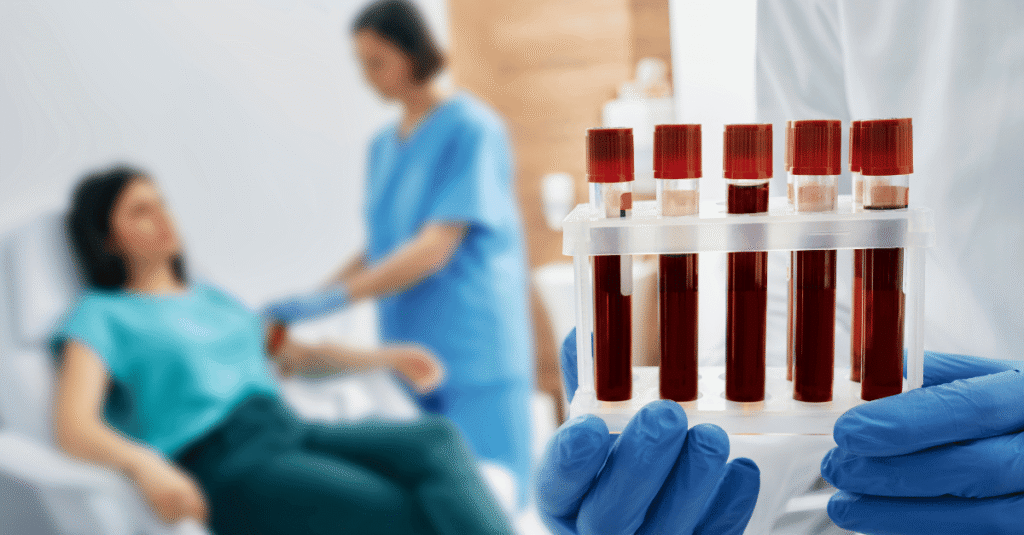
Practical Tests to Run Before Starting Preconception Optimization
Baseline testing establishes your starting point and identifies areas where autophagy support (via spermidine, lifestyle, and diet) can make the biggest impact.
For Women (Focus: Egg Quality & Ovarian Reserve)
- Anti-Müllerian Hormone (AMH), FSH, estradiol, and antral follicle count (AFC) via ultrasound.
- Thyroid panel and vitamin D levels (both influence oxidative stress and autophagy crosstalk).
- Optional advanced oxidative stress markers if available through functional fertility labs.
For Men (Focus: Male Factor Infertility)
- Comprehensive semen analysis (count, motility, morphology).
- Sperm DNA fragmentation (SDF) test or Sperm Oxidative Stress (SOS) test — Highly recommended, as oxidative stress is a major driver of DNA damage and poor sperm quality (up to 55% of infertility cases involve male factors).
- Oxidative stress biomarkers such as ROS levels, 8-OHdG, or lipid peroxidation markers.
Focus for Couples
- Full preconception bloodwork including inflammatory markers (hs-CRP) and metabolic health (insulin, HbA1c), as these intersect with mTOR/AMPK pathways that regulate autophagy.
Pro tip: Align testing with your cycle or use 90-day bundles timed to spermatogenesis (≈74 days) and ovarian follicle maturation.
Internal link: Spermidine and Male Factor Infertility.
Tracking Progress: What to Retest After 90 Days
The 90-day window is biologically significant—it aligns with full sperm renewal and the development of the follicle cohort that will ovulate months later. Retesting at 90–120 days reveals whether your autophagy-focused protocol is delivering cellular-level improvements.
Expected improvements supported by science:
- Men: Enhanced sperm motility, morphology, and reduced DNA fragmentation — direct outcomes of reduced oxidative stress and improved mitochondrial function via autophagy/mitophagy.
- Women: Better oocyte quality markers, improved response in IVF cycles, and potential stabilization of AMH or follicular health (via mitophagy reducing mitochondrial decline after age 35).
- Both: Lower oxidative stress markers, better energy/metabolic health, and—in research settings—favorable shifts in LC3-II and p62 levels.
Studies show spermidine supplementation activates autophagy markers (increased LC3-II, modulated p62), rescues oxidative stress-induced damage in oocytes and germline stem cells, and improves fertility outcomes in aged models.
Internal link: Mitophagy and Egg Quality: Reversing Mitochondrial Decline Naturally After Age 35.
Why Liposomal Spermidine (Liposimol) Is Non-Negotiable for True Bioavailability
Regular spermidine has poor absorption. Progeny Brands’ Liposimol liposomal delivery system ensures spermidine reaches cells at therapeutic levels to trigger autophagy and mitophagy effectively—exactly what research demonstrates is needed for fertility optimization.
Internal link: Liposomal Spermidine vs Regular Spermidine.
This isn’t another prenatal vitamin. It’s targeted cellular support that complements IVF protocols (70% of fertility patients already use supplements, yet many don’t disclose them to their doctors).
The Autophagy Optimized Conception Protocol in Action
Our science-backed 90-day protocol combines liposomal spermidine with lifestyle strategies (including fasting-mimicking diet principles) to maximize autophagy. Couples in TTC communities consistently report this data-driven approach gives them measurable peace of mind and better clinical outcomes.
Internal links:
- The Autophagy Fertility Optimized Conception Protocol
- How to Improve Egg Quality After 35
- Spermidine Supplementation for IVF Preparation
External research examples: NIH and PubMed studies on spermidine rescuing testicular dysfunction, rejuvenating oocyte quality via mitophagy, and protecting against ovarian aging and oxidative stress.
Take Control of Your Cellular Fertility Today
Autophagy biomarkers and proxy tests give research-driven couples the feedback loop they need to optimize preconception health at the deepest level. Whether you’re preparing for IVF, trying naturally, or supporting male factor challenges, tracking progress turns hope into a measurable strategy.
Ready to begin? Explore our 90-day bundles formulated for true bioavailability and cellular fertility support.
Consult your fertility specialist before starting any supplement protocol, especially if undergoing ART.