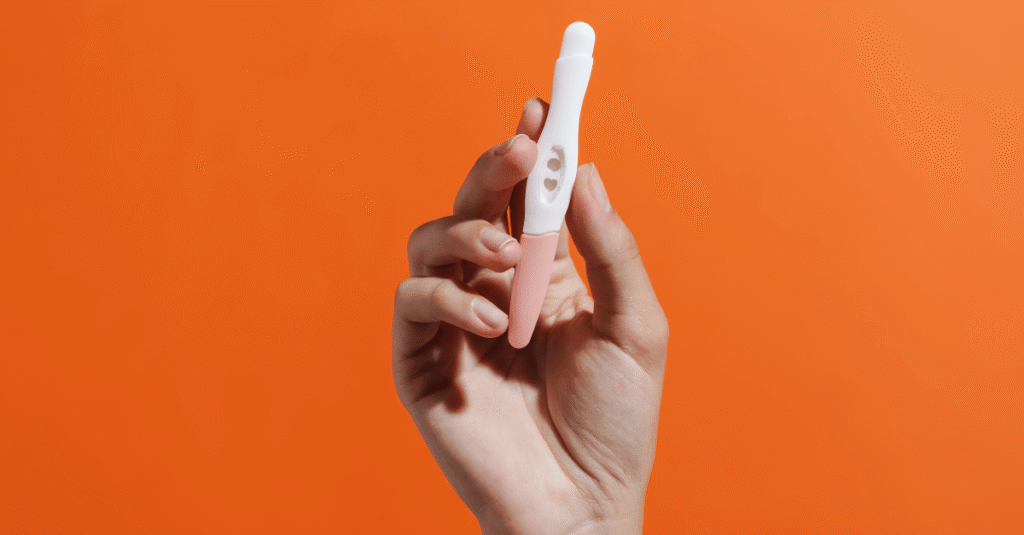
Fertility optimized at the cellular level. In an era when many couples delay starting families until their 30s and 40s, egg quality and sperm health become the rate-limiting factors for conception success. While prenatal vitamins focus on supporting pregnancy after it begins, forward-thinking individuals are shifting to preconception optimization—targeting the cellular foundations of reproductive health months before trying to conceive.
One compound is emerging as a standout in this shift: spermidine. This naturally occurring polyamine triggers autophagy and mitophagy—the body’s internal recycling systems that clear damaged cellular components and rejuvenate mitochondria. Declining spermidine levels parallel the age-related drop in fertility, making supplementation a science-backed strategy for improving egg quality after 35, enhancing sperm motility and morphology, and reducing oxidative stress.
In this comprehensive guide, we explore the spermidine fertility benefits, the latest research, and how to integrate it into a practical Autophagy Optimized Conception Protocol.
What Is Spermidine and Why Does It Matter for Fertility?
Spermidine is a polyamine found in foods like wheat germ, soybeans, mushrooms, and aged cheese. It acts as a master regulator of cellular health by inhibiting EP300 (an acetyltransferase) and activating autophagy pathways. Autophagy is your cells’ quality-control mechanism—literally “self-eating”—that removes dysfunctional proteins, organelles, and damaged mitochondria.
As we age, endogenous spermidine levels can drop significantly (up to 60% by middle age). This decline mirrors the timeline of reproductive aging in both women and men, contributing to accumulated cellular damage, higher oxidative stress, poorer egg and sperm quality, and reduced fertility.
Preconception optimization flips the script from reactive prenatal care to proactive cellular repair. By restoring spermidine levels 90 days (or more) before conception, you align with the natural timelines of ovarian follicle development and the 74-day human spermatogenesis cycle.
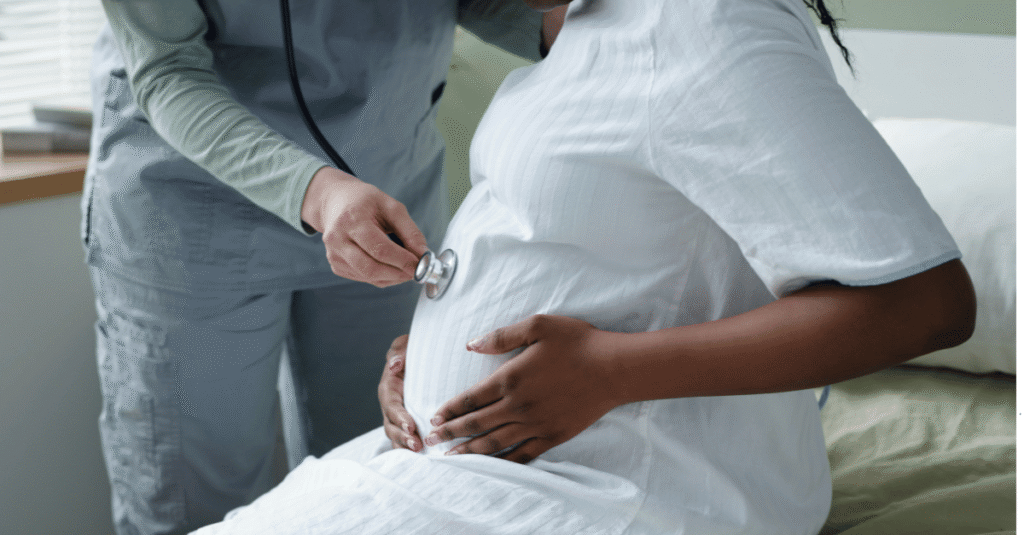
The Science: Spermidine, Autophagy, Mitophagy, and Reproductive Health
Autophagy and its specialized form mitophagy (targeted mitochondrial cleanup) are foundational to fertility. Healthy mitochondria power egg maturation, sperm motility, and early embryonic development. When mitophagy slows, damaged mitochondria accumulate, driving oxidative stress and impairing gamete quality.
Spermidine is one of the most potent natural inducers of these processes. Research shows it enhances cellular renewal without the harsh side effects of other interventions, making it ideal for couples focused on evidence-based preconception strategies.
Spermidine Benefits for Women: Rejuvenating Egg Quality After 35
For women 35+, the biggest challenge is declining oocyte quality rather than quantity. Advanced maternal age increases risks of aneuploidy, poor embryo development, and lower IVF success rates.
A landmark 2023 study published in Nature Aging (Zhang et al.) used untargeted metabolomics and found spermidine levels significantly reduced in the ovaries of aged mice. Supplementation restored these levels and delivered remarkable results:
- Promoted follicle development and oocyte maturation
- Enhanced mitophagy and mitochondrial function in oocytes
- Reduced ROS (reactive oxygen species), DNA damage, and apoptosis
- Improved spindle morphology, chromosome alignment, and early embryonic development
- Increased overall female fertility and live birth outcomes in aged mice
Importantly, the mechanism was conserved in porcine oocytes under oxidative stress—suggesting broad relevance for mammalian reproduction.
Additional studies confirm spermidine reduces follicular atresia, protects granulosa cells, and improves post-ovulatory oocyte quality by boosting autophagy and antioxidant defenses.
These findings directly support women seeking to improve egg quality after 35 through natural, cellular-level interventions.
→ Learn more in our guide: How to Improve Egg Quality After 35
Spermidine Benefits for Men: Supporting Male Factor Infertility
Male factor infertility accounts for up to 55% of cases, yet remains under-discussed. Oxidative stress is a primary culprit, damaging sperm DNA, reducing motility, and impairing morphology.
Spermidine helps by:
- Reducing sperm oxidative stress and DNA fragmentation
- Supporting mitochondrial function in the sperm midpiece for better ATP production and motility
- Enhancing morphology during spermiogenesis via autophagy
- Protecting testicular function (demonstrated in models of toxin-induced dysfunction)
Research highlights spermidine’s ability to rescue testicular dysfunction and improve sperm parameters by attenuating oxidative stress and supporting mitochondrial health.
Because sperm production takes ~74 days, consistent supplementation for 3 months provides meaningful optimization.
→ Read our dedicated article: Spermidine and Male Factor Infertility
Fighting Oxidative Stress: The Hidden Saboteur of Conception
Oxidative stress damages eggs, sperm, and embryos by overwhelming antioxidant defenses. Spermidine combats this through dual action: direct antioxidant support and autophagy-driven clearance of damaged components.
By reducing ROS and lipid peroxidation while upregulating enzymes like SOD, CAT, and GSH-Px, spermidine creates a healthier cellular environment for conception. This makes it particularly valuable for couples preparing for IVF or dealing with age-related fertility challenges.
Liposomal Spermidine vs Regular: Why Bioavailability Is Non-Negotiable
Not all spermidine supplements are equal. Regular forms often suffer from poor absorption and presystemic conversion to spermine. Liposomal delivery (such as our Liposimol technology) encapsulates spermidine in lipid spheres, dramatically improving cellular uptake and true bioavailability—critical when every milligram counts for autophagy induction and fertility outcomes.
→ Compare the science: Liposomal Spermidine vs Regular Spermidine

The Autophagy Optimized Conception Protocol: Putting Spermidine to Work
Our evidence-based Autophagy Optimized Conception Protocol integrates liposomal spermidine with synergistic lifestyle and supplement strategies. A typical 90-day framework includes:
- Daily liposomal spermidine (evidence-based dosing)
- Spermidine-rich foods
- Complementary antioxidants (CoQ10, NAC, Omega-3s, etc.)
- Strategic fasting-mimicking diet windows
- Stress reduction, quality sleep, and toxin avoidance
This protocol supports both partners and complements IVF or natural conception efforts. Many fertility patients already use supplements (70% of IVF patients), yet nearly half don’t disclose them—making discreet, science-backed options like Progeny Brands essential.
→ Full details: The Autophagy Fertility Optimized Conception Protocol
Ready to Optimize at the Cellular Level?
Spermidine fertility benefits represent a powerful, research-aligned tool for proactive couples. By supporting mitophagy, reducing oxidative stress, and enhancing gamete quality, it addresses the root cellular causes of modern fertility challenges.
Whether you’re navigating advanced maternal age, male factor concerns, or simply want the healthiest possible start, preconception optimization with spermidine offers a low-cost, high-impact strategy.
Explore Progeny Brands’ liposomal spermidine formulations designed specifically for fertility and cellular renewal.