For women in their 30s and 40s who have delayed starting a family—whether due to career, life circumstances, or simply wanting to be ready—the ability to improve egg quality often becomes the quiet limiting factor. By age 35, the percentage of chromosomally normal eggs drops significantly, and by 40 it can fall below 20% in many cases. The good news? You don’t have to accept this as inevitable. The science of preconception optimization shows that targeted natural strategies can meaningfully support egg quality by addressing the root causes: oxidative stress, mitochondrial decline, and impaired cellular cleanup (autophagy and mitophagy).
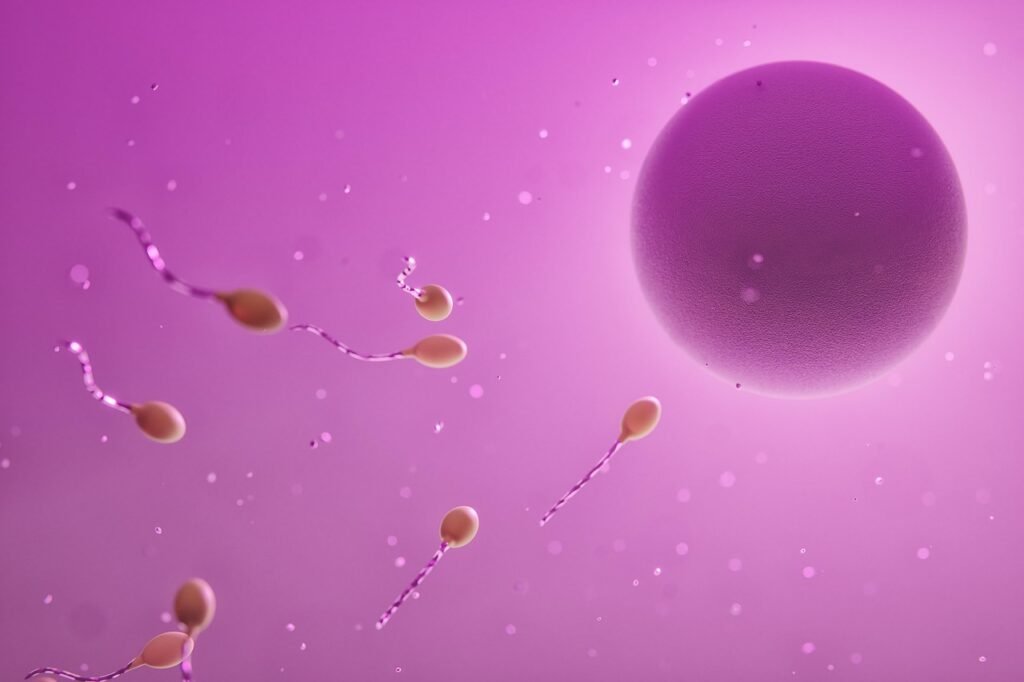
This is the shift happening right now in fertility: moving beyond prenatal vitamins (which support pregnancy after conception) to true preconception optimization—interventions that begin 60–90 days before trying, timed to the biology of follicle development and oocyte maturation.
Here’s how educated, proactive women are using natural female fertility options—backed by peer-reviewed research—to improve egg quality and increase their chances of a healthy conception, whether naturally or through IVF support.
Why Egg Quality Declines (and Why It’s Not Just About Age)
Eggs are the oldest cells in a woman’s body. Unlike sperm, which regenerate every 74 days, a woman is born with all the eggs she will ever have. Over time, these oocytes accumulate damage from:
- Oxidative stress: Reactive oxygen species (ROS) damage mitochondrial DNA and cellular structures.
- Mitochondrial dysfunction: Oocytes rely on mitochondria for energy during maturation, fertilization, and early embryo development. As mitochondria age, energy production drops and errors increase.
- Reduced autophagy and mitophagy: The body’s natural “cellular recycling” systems slow down, leaving damaged components to accumulate.
The result? Lower fertilization rates, higher aneuploidy (chromosomal abnormalities), poorer embryo quality, and increased miscarriage risk. This is why many women 35–45 researching “how to improve egg quality after 35” turn to science-driven natural solutions rather than hoping standard prenatal vitamins will reverse decades of cellular wear.
Related reading: Oxidative Stress: The Hidden Saboteur of Conception and How to Fight It

The Cellular Hero: Autophagy, Mitophagy, and Egg Quality
Autophagy is your cells’ internal housekeeping system—clearing damaged proteins, organelles, and debris. Mitophagy is the specialized form that targets dysfunctional mitochondria. When these processes are optimized, oocytes stay healthier longer.
Research shows that enhancing autophagy/mitophagy directly improves oocyte quality. One landmark 2023 study published in Nature Aging found that spermidine—a natural polyamine—rejuvenates oocyte quality in aged mice by boosting mitophagy, restoring mitochondrial function, increasing mature oocyte numbers, improving fertilization rates, and nearly doubling litter sizes. The mechanism was conserved in porcine oocytes under oxidative stress, suggesting strong translational potential for humans.
A 2024 follow-up study confirmed spermidine supplementation protects post-ovulatory aged porcine oocytes by reducing ROS, inhibiting apoptosis, strengthening mitochondrial function, and enhancing autophagy—directly relevant to human IVF timing.
Learn more: Mitophagy and Egg Quality: Understanding Mitochondrial Decline
Natural Female Fertility Options That Actually Work at the Cellular Level
1. Spermidine-Rich Nutrition (The Autophagy Trigger)
Spermidine occurs naturally in foods like wheat germ, aged cheddar, soybeans, mushrooms, broccoli, and cauliflower. Consistent dietary intake supports autophagy, but achieving therapeutic levels through food alone can be challenging—especially when you need consistent daily dosing aligned with the 90-day ovarian follicle development cycle.
Pro tip: Incorporate spermidine-rich foods daily while considering a high-bioavailability supplement to bridge the gap. This dual approach is a cornerstone of the Autophagy Optimized Conception Protocol.
2. Liposomal Spermidine for True Bioavailability
Not all spermidine supplements are created equal. Regular forms face poor absorption in the gut. Liposomal delivery (Progeny Brands’ liposomal technology) encapsulates spermidine in phospholipid spheres that protect it through digestion and dramatically improve cellular uptake—delivering more of the active compound where it matters most: your ovaries and oocytes.
This is especially powerful for women preparing for IVF or natural conception, as it provides the consistent levels needed to support mitophagy during critical windows of follicle growth.
See the difference: Liposomal Spermidine vs. Regular Spermidine
3. Fasting-Mimicking and Intermittent Fasting Strategies
Fasting naturally elevates spermidine levels and triggers autophagy. A fasting-mimicking diet (low-calorie, plant-based for 5 days monthly) has been shown in human trials to improve markers of autophagy and metabolic health—exactly what preconception optimization requires. This contributes to your ability to improve egg quality.
Women in TTC communities often report combining 16:8 intermittent fasting (with medical guidance) alongside spermidine-rich nutrition for synergistic effects.
4. Lifestyle Foundations That Amplify Natural Fertility
- Resistance training and zone 2 cardio: Improve insulin sensitivity and reduce systemic inflammation.
- Sleep optimization: 7–9 hours nightly supports hormonal balance and cellular repair.
- Stress management: Chronic cortisol impairs autophagy; practices like meditation or yoga help.
- Avoiding toxins: Reduce exposure to plastics, pesticides, and smoking—major sources of oxidative stress.
These aren’t “nice-to-haves”—they directly support the cellular environment your eggs need.
Full protocol details: The Autophagy Fertility Optimized Conception Protocol

Why This Beats Traditional Prenatal Vitamins Alone
Prenatals are essential after conception, but they don’t address the 90-day window of egg maturation or the underlying cellular decline many women 30–45 face. Natural preconception optimization using autophagy enhancers like spermidine works before fertilization—improving the starting material (your eggs) rather than just supporting the outcome.
70% of fertility patients already use supplements, yet 45% don’t tell their doctors. Clinically compatible, clean-label options like liposomal spermidine fit seamlessly into IVF protocols as low-cost “insurance” on the expensive process.
Explore: Spermidine Supplementation for IVF Preparation: The Low-Cost Insurance Strategy
Science-Backed Results Women Are Seeing
- Aged mice given spermidine showed restored oocyte quality, higher fertilization rates, better embryo development, and significantly larger litters.
- Porcine studies (closer to human physiology) confirm protection against oxidative stress and post-ovulatory aging.
- Human autophagy research shows spermidine levels rise with caloric restriction, linking diet, supplementation, and fertility optimization.
These findings position spermidine as one of the most promising natural female fertility options for advanced maternal age.
Also recommended: How to Produce the Healthiest Eggs and Sperm for Conception and Spermidine and Male Factor Infertility—because optimizing both partners yields the best outcomes.
Your Next Step: Start Preconception Optimization Today
Improving egg quality naturally is no longer fringe—it’s evidence-based cellular fertility optimization. By focusing on autophagy, mitophagy, oxidative stress reduction, and high-bioavailability spermidine (liposomal), women 30–45 are taking proactive, research-driven control of their reproductive health.
Ready to align your preconception plan with the latest science? Explore Progeny Brands’ Autophagy Optimized Conception Protocol bundles—formulated specifically for the 60–90 day cycles of egg and sperm development.
Your future family starts at the cellular level.