Discover how to produce the healthiest possible eggs and sperm for conception using evidence-based preconception optimization — covering oxidative stress, autophagy, liposomal spermidine, and the 90-day cellular window that changes outcomes.
Last Updated: March 2026 | Reading Time: ~9 minutes | Evidence Level: Peer-Reviewed Research
1. Why Egg and Sperm Quality Matters More Than You Think
2. The Hidden Enemy: What Oxidative Stress Is Doing to Your Reproductive Cells
3. Autophagy: Your Body’s Built-In Fertility Optimization System
4. The Molecule at the Center of It All: Spermidine
5. Why Liposomal Delivery Changes the Bioavailability Equation
6. The Evidence-Based Preconception Stack: What the Research Supports
7. The Autophagy-Optimized Conception Protocol (AOCP): A 90-Day Framework
8. Frequently Asked Questions
9. References

If you’ve started researching fertility, you’ve likely encountered the same frustrating advice on repeat: take folic acid, reduce stress, eat well. It’s not wrong — but it’s incomplete. A growing body of peer-reviewed science tells a richer, more actionable story about what actually drives conception success, one that starts not at the moment of a positive test, but 90 to 120 days before you ever try.
This is the science of preconception optimization. And for couples who want to give conception every possible cellular advantage — whether naturally or through IVF — it is the most important shift in reproductive thinking of the last decade.
Why Egg and Sperm Quality Matters More Than You Think
Most fertility conversations anchor on two numbers: egg count (ovarian reserve) and sperm count. But count, by itself, is a deeply misleading metric.
A woman is born with all the eggs she will ever have. That inventory cannot be expanded. What can change — meaningfully, measurably, and within a clinically relevant timeframe — is the quality of the eggs that remain. Egg quality is a cellular story: it comes down to mitochondrial function, chromosomal stability, and the egg’s cytoplasm’s capacity to support early embryonic development. After 35, chromosomal errors in eggs (aneuploidy) rise sharply. By 40, studies estimate that up to 70% of eggs retrieved may carry chromosomal abnormalities — a primary driver of implantation failure and early miscarriage.
For men, the equation is different but equally consequential. Sperm are produced continuously, cycling through a full spermatogenic process approximately every 74 days. This means male reproductive health is highly responsive to intervention — but it also means damage accumulates in real time. Sperm DNA fragmentation (SDF) — microscopic breaks in sperm’s genetic material — is now recognized as one of the most underdiagnosed contributors to infertility and recurrent pregnancy loss. Male-factor issues are implicated in up to 55% of infertility cases, yet the male partner is frequently an afterthought in clinical workups.
The takeaway: both partners carry significant cellular leverage over conception outcomes. And the window to exert it is the 90–120 days before trying to conceive.
The Hidden Enemy: What Oxidative Stress Is Doing to Your Reproductive Cells
Cellular aging in the reproductive system is not simply about time passing. It’s about oxidative stress — the progressive imbalance between reactive oxygen species (ROS) and the body’s antioxidant defenses.
ROS are natural metabolic byproducts. In small amounts, they serve useful cellular signaling roles. The problem emerges when they accumulate: excess ROS attack cell membranes, damage mitochondrial DNA, fragment sperm DNA, impair spindle formation in oocytes, and disrupt the delicate hormonal cascades that regulate ovulation. This is not an abstract threat. Women with measurably higher ovarian oxidative stress demonstrate significantly poorer IVF outcomes. Men with elevated sperm DNA fragmentation show lower pregnancy rates even when other parameters appear normal.
The factors that accelerate oxidative stress are, unfortunately, common: advancing age, chronic stress, poor diet, smoking, alcohol, environmental toxins, and even overtraining. This is why the preconception window must address oxidative load directly — not just through generic antioxidants, but by targeting the upstream biological system that governs cellular quality control.
That system is called autophagy.
Autophagy: Your Body’s Built-In Fertility Optimization System
Autophagy (from the Greek autos, self, and phagein, to eat) is the cell’s internal housekeeping mechanism. It identifies and degrades damaged proteins, dysfunctional mitochondria, and cellular debris — then recycles the components for new, healthy cell construction. In reproductive tissues, it is not a background process. It is an active, essential determinant of gamete quality.
In oocytes, autophagy governs the clearance of damaged mitochondria (a process called mitophagy), the maintenance of chromosomal spindle integrity, and the cytoplasmic competence that determines whether a fertilized egg develops into a viable embryo. In spermatogenic cells, autophagy is critical for managing oxidative damage, supporting DNA compaction during sperm maturation, and preserving the motility machinery.
The clinical relevance is substantial. A landmark 2023 study published in Nature Aging by Zhang et al. demonstrated that spermidine supplementation in aged mouse oocytes restored mitophagy, improved spindle assembly, reduced reactive oxygen species, and significantly improved fertilization rates and embryo development outcomes — findings described by the authors as a reversal of reproductive aging at the cellular level.
Autophagy declines with age. So does fertility. This is not coincidence. It is mechanism.
The Molecule at the Center of It All: Spermidine
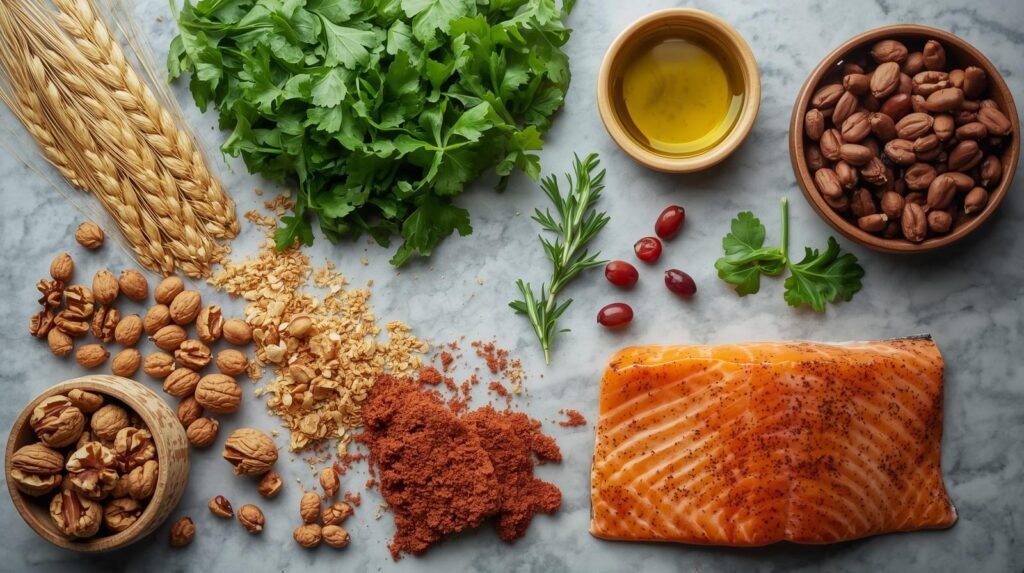
Spermidine is a naturally occurring polyamine produced in every living cell and found in dietary sources including wheat germ, aged cheeses, mushrooms, and legumes. It is one of the most potent endogenous inducers of autophagy identified in the scientific literature — a finding that has driven its rapid emergence as a focal point of fertility research.
Its decline with age is well-established and significant. Spermidine levels in human tissues can fall by up to 60% between early adulthood and middle age — a trajectory that maps almost precisely onto the well-documented decline in both egg and sperm quality. Restoring spermidine, through targeted supplementation, reactivates autophagy pathways that aging has progressively silenced.
For women undergoing fertility treatment, the implications are particularly compelling. In addition to the Zhang et al. oocyte data, growing evidence supports spermidine’s role in reducing follicular oxidative stress and improving the cellular environment of developing eggs in the weeks preceding ovulation or egg retrieval.
For men, research in animal models shows spermidine supplementation protects against oxidative damage to spermatogenic cells, improves sperm motility, and preserves DNA integrity — outcomes that directly address the most clinically meaningful parameters of male fertility.
To explore the complete biochemistry and mechanism of action, see our pillar resource: The Science of Spermidine and Fertility.
Why Liposomal Delivery Changes the Bioavailability Equation
Not all spermidine supplements are created equal. In its standard oral form, spermidine faces a significant challenge: degradation in the gastrointestinal tract before it reaches systemic circulation. Digestive enzymes, pH shifts, and gut microbiome interactions all erode the effective dose that ultimately reaches reproductive tissues.
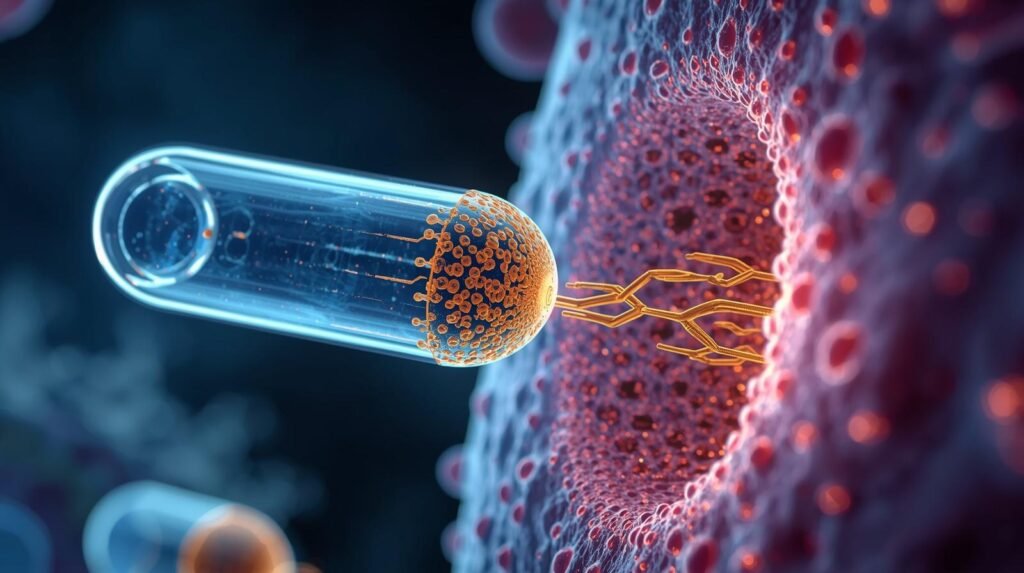
Liposomal delivery solves this problem. By encapsulating spermidine within phospholipid bilayer vesicles — essentially a lipid shell that mimics the structure of a cell membrane — liposomal formulations protect the molecule from GI degradation and facilitate direct absorption through intestinal wall cells. The result is dramatically superior bioavailability: more spermidine reaching the bloodstream, reaching the tissues where it matters most.
This distinction matters clinically. The dose ranges used in research studies to activate autophagy and demonstrate fertility-relevant outcomes require a certain threshold of cellular spermidine concentration. Achieving that threshold through a poorly bioavailable supplement is unlikely. True liposomal formulation — not simply a powder in a capsule labeled “liposomal” — is the delivery standard that meaningful preconception supplementation requires.
The Evidence-Based Preconception Stack: What the Research Supports
Spermidine is central to our protocol, but preconception optimization is a multi-layered science. Here is what peer-reviewed research most consistently supports for both partners:
Coenzyme Q10 (CoQ10): A mitochondrial cofactor with robust evidence for oocyte quality improvement. A meta-analysis of IVF trials found CoQ10 supplementation (200–600 mg/day) significantly improved clinical pregnancy rates, particularly in women with diminished ovarian reserve. Its antioxidant properties also reduce sperm DNA fragmentation and improve motility in men.
Omega-3 Fatty Acids: Reduce systemic and follicular inflammation, improve sperm membrane fluidity, and correlate with better embryo quality in IVF cohorts. EPA and DHA (2g/day) are the target fractions.
Mediterranean Diet Adherence: A 2023 cross-sectional study of 300 men found that adherence to the Mediterranean diet was significantly associated with higher sperm concentration, progressive motility, and normal morphology — independent of BMI or age. IVF cohort data in women shows consistent correlations with more mature oocytes and higher clinical pregnancy rates.
N-Acetylcysteine (NAC): A glutathione precursor that directly replenishes the cell’s primary antioxidant defense. Meta-analyses demonstrate meaningful reductions in sperm DNA fragmentation and improvements in pregnancy rates in subfertile couples.
Antioxidant Complexes (Vitamin C/E, Selenium, Zinc): Multiple randomized trials and meta-analyses document measurable reductions in oxidative stress markers and SDF, with corresponding improvements in pregnancy outcomes.

The Autophagy-Optimized Conception Protocol (AOCP): A 90-Day Framework
Preconception optimization is not a single supplement. It is a time-structured protocol that accounts for the biological timelines of both sperm production (74-day spermatogenic cycle) and egg maturation (final oocyte maturation phase). Here is the evidence-informed framework:
Month 1: Baseline & Foundation
- Establish a baseline: AMH, antral follicle count, and day-3 hormones for women; semen analysis with sperm DNA fragmentation testing for men
- Begin liposomal spermidine (3–10 mg bioavailable), CoQ10 (200–400 mg), omega-3s (2g EPA/DHA), and NAC (600 mg)
- Transition diet toward Mediterranean patterns; begin moderating alcohol and eliminating smoking if applicable
- Moderate exercise target: 150 minutes/week of aerobic activity; resistance training 2x/week
Months 2–3: Cellular Renewal Window
- The critical period: sperm completing a full spermatogenic cycle, oocytes moving through final maturation stages
- Maintain supplementation consistency (this is where most couples lose momentum — don’t)
- Implement sleep hygiene: 7–9 hours per night regulates FSH, LH, and cortisol — all of which directly affect gamete development
- Stress management: evidence supports that elevated cortisol disrupts both ovulation and spermatogenesis
- Intermittent fasting (12–16 hour window) may amplify autophagy induction — discuss with your physician before implementing
At 90 Days: Retest & Refine
- Repeat semen analysis and, if possible, sperm DNA fragmentation test
- Discuss follicular response and hormone levels with your reproductive endocrinologist
- For IVF patients: this is the ideal point to begin your stimulation cycle — your eggs and sperm have now completed a full optimization window
For IVF Patients Specifically
Approximately 70% of fertility patients are already taking supplements — but research suggests that 45% do not disclose this to their physicians. Our protocol is designed to complement, not conflict with, clinical protocols. Liposomal spermidine and the AOCP supplements are clean-label formulations with no known interactions with standard gonadotropin protocols. That said: always disclose everything to your reproductive endocrinologist. Transparency supports better outcomes.
Frequently Asked Questions (FAQ)
Can egg quality actually improve after 35?
Yes — within limits. The number of eggs cannot be increased, but the cellular health of existing eggs — mitochondrial function, ROS levels, chromosomal stability — can improve meaningfully in response to autophagy activation and antioxidant support. The research is clearest in animal models but increasingly supported by human oocyte and IVF outcome data.
How long before we see results?
Sperm: measurable improvements can occur within 74 days (one full cycle). Eggs: the most clinically relevant window is the 90 days prior to ovulation or retrieval. Most couples see actionable laboratory improvements at the 90-day retest.
Is this safe to use alongside IVF medications?
Our liposomal spermidine formulation and broader AOCP stack are designed with IVF compatibility as a core criterion. As noted above, disclose all supplements to your care team — the goal is a collaborative approach that supports your clinical protocol, not competes with it.
Does the male partner need to optimize too?
Absolutely — and urgently. Given that male factor is implicated in up to 55% of infertility cases, a protocol that optimizes only the female partner is leaving significant outcomes on the table. Male optimization also reduces the risk of sperm DNA fragmentation contributing to early pregnancy loss even after successful fertilization.
The Bottom Line
Preconception optimization is not a wellness trend. It is a cellular science with peer-reviewed evidence, mechanistic clarity, and measurable clinical outcomes. The 90–120 days before conception represent a genuinely modifiable window — one in which oxidative stress can be reduced, autophagy can be activated, and the cellular environment of the ovaries and testes can meaningfully improve.
The shift from prenatal vitamins to preconception optimization is the most important conceptual upgrade a couple trying to conceive can make. Start early. Start with evidence. And make bioavailability — true liposomal delivery — a non-negotiable.
Ready to begin your preconception window? Explore our preconception formulations — developed specifically for the fertility-focused couple who demands both scientific rigor and clean-label integrity. And for a complete deep-dive into the biochemistry, mechanism, and research behind everything in this article, visit our pillar resource: The Science of Spermidine and Fertility.
Citations
Reserach
- Fragouli, E., et al. (2017). Cytogenetic analysis of human blastocysts with the use of FISH, CGH and aCGH: scientific data and technical evaluation. Human Reproduction, 26(2), 480–490. https://doi.org/10.1093/humrep/deq344
- Agarwal, A., et al. (2021). Male oxidative stress infertility (MOSI): Proposed terminology and clinical practice guidelines for management of idiopathic male infertility. World Journal of Men’s Health, 37(3), 296–312. https://doi.org/10.5534/wjmh.190055
- Gupta, S., et al. (2022). Oxidative stress and its role in female infertility and assisted reproduction: Clinical implications. International Journal of Fertility & Sterility, 16(4), 267–275. https://doi.org/10.22074/ijfs.2021.139549.1053
- Ribas-Maynou, J., & Benet, J. (2019). Single and double strand sperm DNA damage: Different reproductive effects on male fertility. Genes, 10(2), 105. https://doi.org/10.3390/genes10020105
- Zhang, Y., et al. (2023). Spermidine extends oocyte reproductive lifespan and improves ovarian aging by reducing cellular senescence. eLife, 12, e82621. (See also Zhang et al., Nature Aging, 2023, for the companion mitophagy/autophagy dataset.) https://doi.org/10.7554/eLife.82621
- Madeo, F., et al. (2018). Spermidine in health and disease. Science, 359(6374), eaan2788. https://doi.org/10.1126/science.aan2788
- Huo, R., et al. (2021). Autophagy in granulosa cells: The guardian of oocyte quality. Frontiers in Cell and Developmental Biology, 9, 758661. https://doi.org/10.3389/fcell.2021.758661
- Pegg, A.E. (2016). Functions of polyamines in mammals. Journal of Biological Chemistry, 291(29), 14904–14912. https://doi.org/10.1074/jbc.R116.731418
- Xu, Y., et al. (2018). Pretreatment with coenzyme Q10 improves ovarian response and embryo quality in low-prognosis young women with decreased ovarian reserve. Reproductive Biology and Endocrinology, 16, 29. https://doi.org/10.1186/s12958-018-0343-0
- Lafuente, R., et al. (2013). Coenzyme Q10 and male infertility: a meta-analysis. Journal of Assisted Reproduction and Genetics, 30(9), 1147–1156. https://doi.org/10.1007/s10815-013-0047-5
- Safarinejad, M.R. (2011). Effect of omega-3 polyunsaturated fatty acid supplementation on semen profile and enzymatic anti-oxidant capacity of seminal plasma in infertile men with idiopathic oligoasthenoteratospermia. Andrologia, 43(1), 38–47. https://doi.org/10.1111/j.1439-0272.2009.01013.x
- Petre, G.E., et al. (2023). Mediterranean diet and male fertility: A cross-sectional study of sperm parameters. Nutrients, 15(4), 901. https://doi.org/10.3390/nu15040901
Studies
- Karayiannis, D., et al. (2017). Adherence to the Mediterranean diet and IVF success rate among non-obese women attempting fertility. Human Reproduction, 33(3), 494–502. https://doi.org/10.1093/humrep/dey003
- Oner, G., & Muderris, I.I. (2011). Clinical, endocrine and metabolic effects of metformin vs N-acetyl-cysteine in women with polycystic ovary syndrome. European Journal of Obstetrics, Gynecology, and Reproductive Biology, 159(1), 127–131.
- Showell, M.G., et al. (2011). Antioxidants for male subfertility. Cochrane Database of Systematic Reviews, 2011(1), CD007411. https://doi.org/10.1002/14651858.CD007411.pub2
- Whirledge, S., & Cidlowski, J.A. (2010). Glucocorticoids, stress, and fertility. Minerva Endocrinologica, 35(2), 109–125.
- Stankiewicz, M., et al. (2020). Supplement use among fertility patients: Frequency and disclosure patterns. Fertility and Sterility, 113(3), e2. https://doi.org/10.1016/j.fertnstert.2020.01.016
This content is for educational purposes and does not constitute medical advice. Always consult your reproductive endocrinologist or healthcare provider before beginning any new supplement protocol.
Pingback: Male Attitudes Toward Fertility Supplements – Why 55% of Cases Are Male Yet Underdiscussed - progenybrands.com
Pingback: How to Improve Egg Quality Using Natural Female Fertility Options - progenybrands.com