
If you’re a woman 35 or older and actively trying to conceive—whether naturally or preparing for IVF—you’ve likely heard the statistics: egg quality naturally declines with age. What many don’t realize is that this decline isn’t just about “older eggs.” At its core, it’s a story of mitochondrial dysfunction and the urgent need for cellular cleanup. Enter mitophagy!
What is Mitophagy?
Mitophagy is the targeted recycling of damaged mitochondria inside your oocytes. Emerging research, including landmark studies like Zhang et al. (2023) in Nature Aging, shows that enhancing mitophagy can rejuvenate oocyte quality, reduce oxidative stress, and improve reproductive outcomes even in advanced maternal age.
At Progeny Brands, we’re shifting the conversation from prenatal vitamins to preconception optimization. Our focus? Cellular health for conception through fertility autophagy. Liposomal spermidine (delivered via our proprietary Liposimol technology for true bioavailability) is at the heart of this revolution. It doesn’t just support eggs—it actively promotes mitophagy to clear out the cellular debris that accumulates after 35.
This 4,000-word guide is your authoritative resource. We’ll unpack the science, spotlight key studies, explain how liposomal spermidine complements CoQ10 and NAC, and outline our Autophagy Optimized Conception Protocol—a 90-day framework aligned with ovarian follicle development. Whether you’re in a TTC community, navigating IVF, or simply proactive about your reproductive future, this is for you.
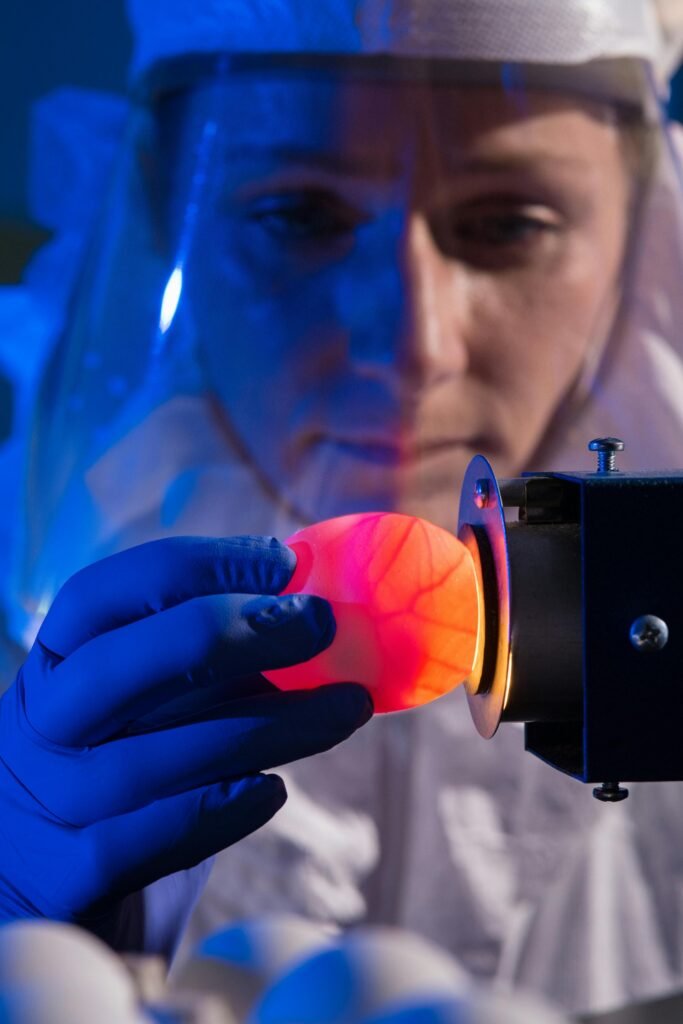
The Hidden Driver of Egg Quality Decline After 35
For women in their late 30s and 40s—especially career-focused professionals starting families later—egg quality is the #1 predictor of conception success. By age 35, aneuploidy rates in embryos can climb to 40-50%, rising sharply to 80%+ by 42. But why?
It’s not just fewer follicles. The real culprit is age-related mitochondrial decline in oocytes. Oocytes are unique: they contain 100,000 to 600,000 mitochondria—far more than any other cell—to fuel the energy demands of maturation, fertilization, and early embryonic division.
Over time, these mitochondria accumulate damage. The result? Reduced ATP production, elevated reactive oxygen species (ROS), spindle assembly errors, and higher rates of chromosomal abnormalities. Studies confirm that mitochondrial dysfunction drives ovarian aging, follicular atresia, and poor oocyte competence.
Traditional approaches like CoQ10 or antioxidants help, but they don’t address the root: clearing out the dysfunctional mitochondria. That’s where mitophagy shines—and where spermidine enters as a game-changer.
Progeny’s mission aligns perfectly with this: moving beyond symptom management to autophagy-optimized conception. Our research-driven formulas target the cellular level, supporting women 35-45 who are motivated, educated, and ready to invest in proactive health.
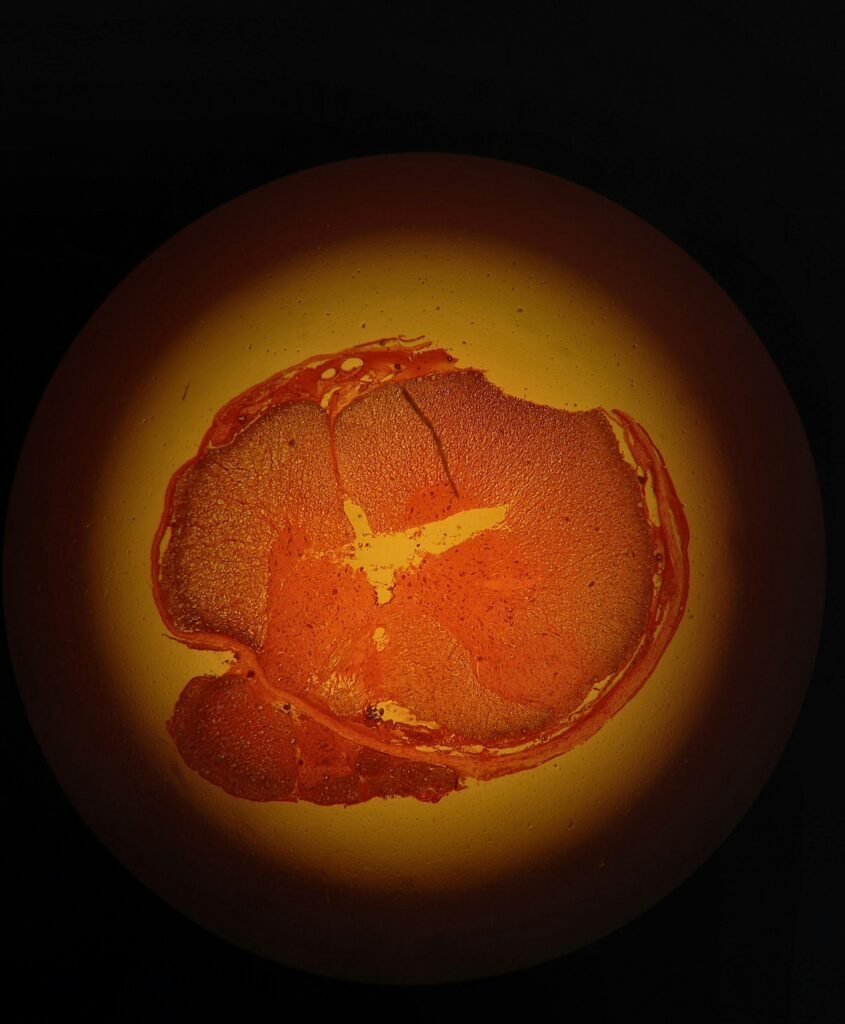
Mitochondria: The Powerhouses Your Oocytes Can’t Live Without
Mitochondria aren’t just energy factories. In oocytes, they regulate calcium signaling, apoptosis, and redox balance during meiosis. Healthy mitochondria mean:
- Proper spindle formation for chromosome segregation
- Adequate ATP for cortical granule exocytosis and fertilization
- Low oxidative damage to mtDNA and nuclear DNA
With age, mitochondrial membrane potential drops, mtDNA mutations accumulate (though human oocytes show some unique protections), and biogenesis slows. This leads to energy deficits that manifest as fragmented embryos, implantation failure, and miscarriage.
Research from NIH-funded studies links ovarian aging directly to oxidative stress in ovarian tissue and reduced follicular reserve. Women 35+ often face a “mitochondrial bottleneck”—the quality of your remaining eggs depends on how efficiently your cells maintain mitochondrial health.
Mitophagy Explained: Your Cells’ Built-In Mitochondrial Recycling System
Mitophagy is selective autophagy—the process where cells identify, isolate, and degrade damaged mitochondria via autophagosomes that fuse with lysosomes; to understand how this fits into the broader cellular renewal process driving superior egg quality and conception success, read our authoritative pillar on Autophagy and Fertility: The Cellular Renewal Process Powering Preconception Optimization. Key players include:
- PINK1/Parkin pathway: Damaged mitochondria stabilize PINK1, recruiting Parkin to tag them for removal.
- Receptors like BNIP3 and FUNDC1 for alternative routes.
- Autophagy proteins (LC3, Beclin-1) that orchestrate the cleanup.
In reproductive biology, mitophagy is critical during oocyte maturation and early embryogenesis. Impaired mitophagy leads to mitochondrial overload, excess ROS, and apoptosis—directly impacting egg quality.
Unlike general autophagy, mitophagy is laser-focused on energy organelles. Boosting it doesn’t just “clean house”—it rejuvenates the mitochondrial pool, restoring function in aging oocytes.
This is why fertility autophagy is a pillar at Progeny: it’s the authoritative pathway for cellular health in conception.
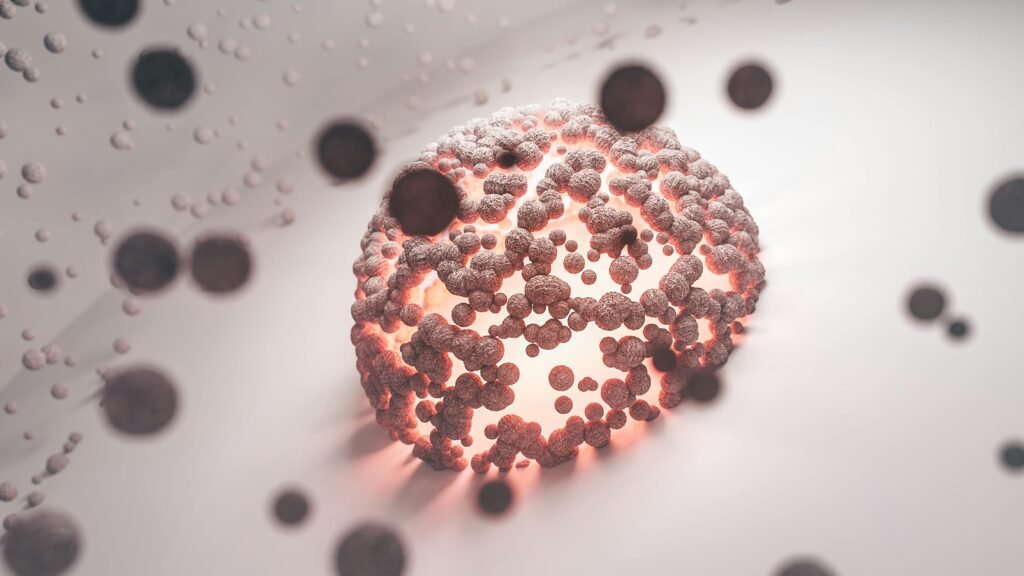
Breakthrough Research: Spermidine Rejuvenates Oocytes via Mitophagy (Zhang et al., 2023)
The pivotal study is Zhang et al. (2023), Nature Aging: “Polyamine metabolite spermidine rejuvenates oocyte quality by enhancing mitophagy during female reproductive aging.”
Key findings:
- Spermidine levels naturally decline in aged mouse ovaries.
- Oral supplementation restored ovarian spermidine, promoted follicle development, accelerated oocyte maturation rates, improved embryonic developmental potential, and increased live birth rates.
- Microtranscriptomic analysis revealed the mechanism: enhanced mitophagy activity and restored mitochondrial function. Spermidine recovered mitophagy to inhibit apoptosis during oocyte aging.
- Effects were conserved in porcine oocytes under oxidative stress—highly relevant for human IVF models. Spermidine protected against ROS-induced defects in meiotic progression and fertilization.
Follow-up work (Bai et al., 2024) extended this to post-ovulatory aged porcine oocytes, showing spermidine strengthened mitochondrial function, eliminated excess ROS, inhibited apoptosis, and upregulated autophagy markers (LC3, Beclin-1).
Additional NIH-supported research confirms spermidine:
- Protects against ovarian aging by reducing follicular atresia and oxidative stress.
- Upregulates antioxidant enzymes (SOD, CAT, GSH-Px) while lowering MDA (lipid peroxidation marker).
These studies position spermidine as a therapeutic strategy for age-related oocyte decline—far beyond general antioxidants.
Oxidative Stress and the Vicious Cycle of Ovarian Aging
Oxidative stress (OS) is the #1 enemy of egg quality. Aging mitochondria produce more ROS while antioxidant defenses (glutathione, superoxide dismutase) wane. This creates a vicious cycle:
- Damaged mitochondria → excess ROS
- ROS → mtDNA damage and lipid peroxidation
- Further mitochondrial impairment → more ROS and apoptosis
In ovaries, this accelerates follicular atresia and degrades oocyte cytoplasmic quality. ResearchSquare and PubMed studies link OS to meiotic defects, spindle abnormalities, and reduced fertilization in toxin-exposed or aged oocytes.
Spermidine breaks the cycle: it scavenges ROS directly, induces mitophagy to remove ROS sources, and restores redox balance. Combined with its autophagy induction, it offers dual protection—prevention and repair.
Liposomal Spermidine: Why Bioavailability Matters for True Mitophagy Activation
Standard spermidine supplements face challenges: first-pass liver metabolism, rapid enzymatic breakdown (SSAT/PAO), and poor cellular uptake. That’s why Progeny uses Liposimol—our advanced liposomal delivery system.
Liposomes (phospholipid vesicles <200 nm) encapsulate spermidine, enabling:
- Intestinal cell fusion and lymphatic absorption (bypassing liver).
- Protected, controlled release for sustained cellular delivery.
- Several-fold higher bioavailability to reproductive tissues.
Clinical dosing for fertility: 3–10 mg/day of bioavailable spermidine, timed to align with 90-day follicle development and 74-day spermatogenesis cycles. Wheat germ-derived, clean-label, and third-party tested.
This isn’t just supplementation—it’s targeted cellular health for conception.
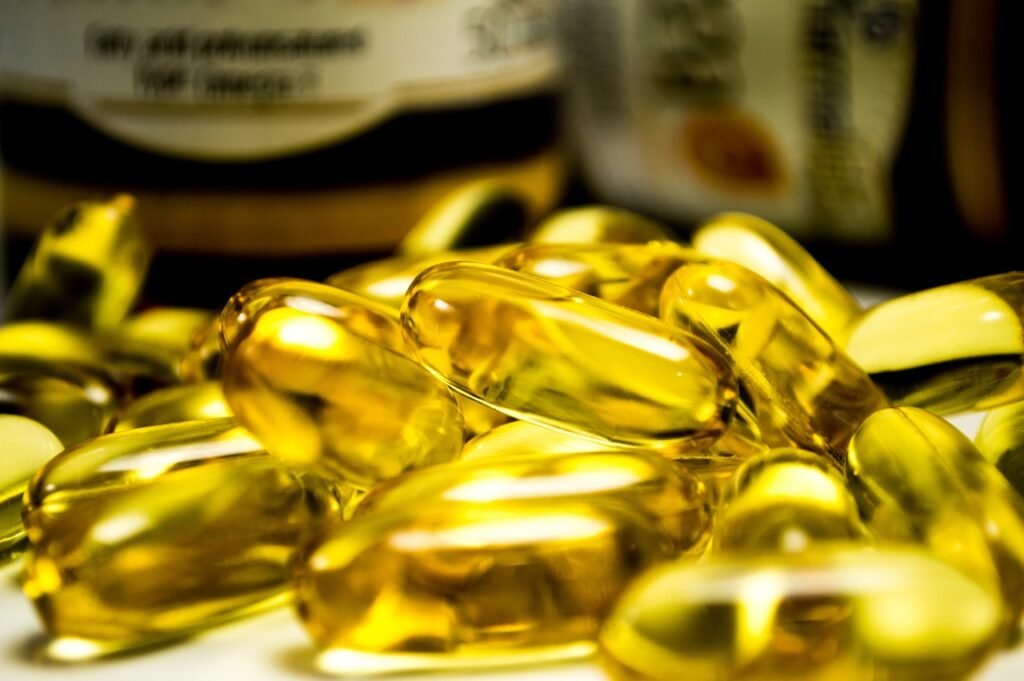
Synergistic Support: How Spermidine Complements CoQ10 and NAC
Spermidine doesn’t work in isolation. It pairs powerfully with mitochondrial supporters:
- CoQ10 (Ubiquinol, 200–600 mg/day): Boosts electron transport chain, activates PINK1/Parkin mitophagy, and scavenges ROS. Studies in diminished ovarian reserve (DOR) show improved oocyte yield, fertilization, and embryo quality in women ~39+. Spermidine provides the cleanup, while CoQ10 supplies the energy—a perfect duo for reversing mitochondrial decline.
- NAC (600–1,200 mg/day): Precursor to glutathione, the master antioxidant. NAC reduces OS, supports Nrf2 pathways, and protects oocyte maturation. Together with spermidine, it amplifies autophagy while directly neutralizing ROS that mitophagy then clears. Synergistic effects improve spindle integrity and reduce apoptosis in aging models.
Progeny’s stack recommendation: Liposomal spermidine (Liposimol) + CoQ10 + NAC as core of the Autophagy Optimized Conception Protocol. This trio addresses energy production, oxidative damage, and mitochondrial recycling—comprehensive support at 1% the cost of an IVF cycle.
The Autophagy Optimized Conception Protocol: 90 Days to Cellular Renewal
Our Autophagy Optimized Conception Protocol (AOCP) is designed for women 35+ (and their partners). It aligns with natural timelines:
- Days 1–30: Baseline testing (AMH, AFC, hormone panel, semen analysis). Introduce liposomal spermidine + diet/fasting windows.
- Days 31–60: Full stack (add CoQ10/NAC). Amplify autophagy via 12–16 hour time-restricted eating or monthly fasting-mimicking diet.
- Days 61–90: Monitor progress. Follicles recruited now reflect optimized cellular health for ovulation/IVF.
Core pillars:
- Spermidine-rich nutrition + Liposimol supplement.
- Mediterranean anti-inflammatory diet.
- Moderate exercise, 7–9 hours sleep, stress reduction.
- Toxin avoidance (BPA, smoking, scrotal heat).
Backed by studies showing 90-day interventions improve markers of autophagy, metabolic health, and gamete quality.
Practical Implementation for Women 35+ and IVF Preparation
- Start early: 3–6 months preconception for maximum mitochondrial renewal.
- IVF synergy: 70% of fertility patients use supplements (many undisclosed). Our protocol complements treatments—enhancing oocyte quality without interference.
- Lifestyle hacks: Overnight fasting, polyphenol-rich foods (berries, green tea), resistance training for blood flow.
- Track progress: Repeat testing at 90 days.
For men 30–45 (where male factor contributes to 55% of infertility), the same protocol supports sperm motility, morphology, and DNA integrity via mitophagy and OS reduction.
Safety, Monitoring, and Real-World Results
Spermidine is naturally occurring and well-tolerated. Consult your RE or doctor—especially if undergoing IVF. Progeny products are clean-label, natural, and IVF-compatible.
Emerging data (and user feedback from TTC communities) show improved cycle quality, better embryo grading, and higher confidence in later-age conception.

Conclusion: Take Control of Your Egg Quality Today
Mitophagy isn’t science fiction—it’s your body’s natural defense, supercharged by spermidine. Zhang et al. and supporting research prove it: reversing age-related mitochondrial decline is possible, improving oocyte quality, reducing oxidative stress, and optimizing fertility at the cellular level.
At Progeny Brands, we’re the authoritative source for fertility autophagy. Our Liposimol liposomal spermidine, paired with the Autophagy Optimized Conception Protocol, delivers research-backed results for women 35–45 and beyond.
Ready to optimize? Explore our bundles here. Read more on improving egg quality after 35 and the science of spermidine. Share this with your TTC circle or RE.
Your future family starts with cellular health. Let’s build it together.
Pingback: Oxidative Stress: The Hidden Saboteur of Conception and How to Fight It - progenybrands.com
Pingback: Cellular Fertility Optimization: Unlocking Healthier Eggs, Sperm, and Conception at the Cellular Level - progenybrands.com
Pingback: How to Improve Egg Quality Using Natural Female Fertility Options - progenybrands.com
Pingback: Cellular Renewal Fertility: Unlocking Healthier Eggs, Sperm, and Conception Through Autophagy - progenybrands.com
Pingback: Top 10 Trying to Conceive (TTC) Communities for Couples Interested in Preconception Optimization - progenybrands.com