
Spermidine: How This Powerful Polyamine Supports Male Fertility at the Cellular Level
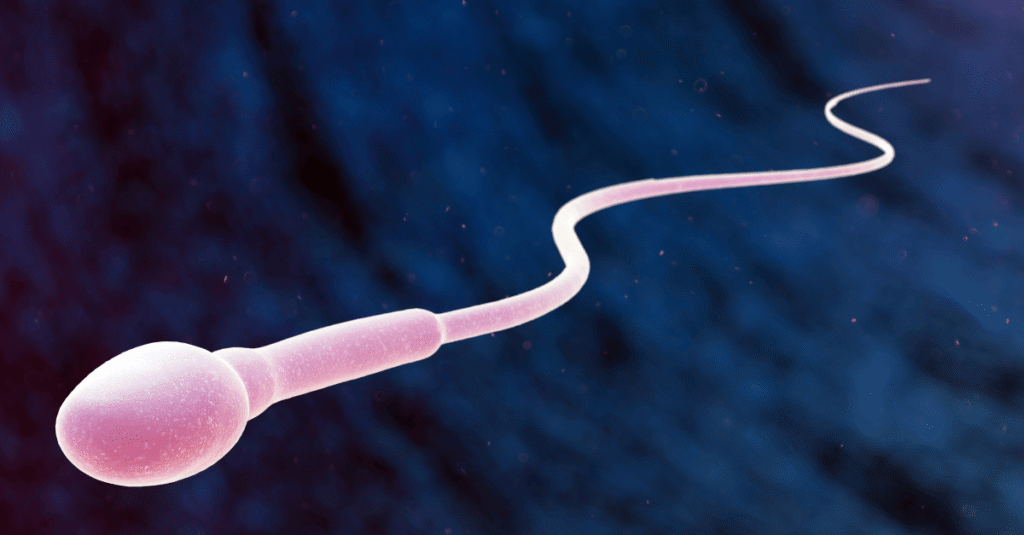
Male factor infertility accounts for up to 55% of conception challenges, yet it often remains under-discussed. Sperm motility is defined as the the ability of sperm to swim effectively toward the egg. Motility stands as one of the most critical parameters for successful fertilization. Emerging spermidine sperm motility research highlights this natural polyamine. Studies confirm its a promising ally for optimizing sperm function, especially for men preparing for conception or supporting IVF cycles.
At Progeny Brands, we focus on preconception optimization rather than just prenatal support. Our Autophagy Optimized Conception Protocol leverages compounds like liposomal spermidine (for true bioavailability). Studies confirm that Liposomal Spermidine can help combat oxidative stress, enhance mitochondrial health, and promote cellular renewal. These are all key drivers of sperm health.
What Is Spermidine and Why Does It Matter for Sperm?
Spermidine, a naturally occurring polyamine first identified in seminal fluid, plays essential roles in DNA stability, autophagy, and mitochondrial function. Levels of spermidine and related polyamines often decline with age or under stress, correlating with reduced semen quality.
Key mechanisms from spermidine sperm motility research include:
- Reducing oxidative stress: Excess reactive oxygen species (ROS) damage sperm membranes and DNA, impairing motility. Spermidine boosts antioxidant enzymes (e.g., SOD) and lowers markers like malondialdehyde (MDA).
- Supporting mitochondrial energy: Sperm rely on ATP for flagellar movement. Spermidine enhances mitophagy (selective autophagy of damaged mitochondria) and improves mitochondrial respiration and membrane potential.
- Protecting testicular function: It helps maintain Sertoli cell integrity, which nurtures developing sperm, and regulates glycolysis pathways critical for spermatogenesis.
- Improving overall sperm parameters: Studies link spermidine to higher sperm count. Not to mention better morphology, and enhanced acrosomal reaction timing (essential for egg penetration).
These effects align perfectly with the 74-day spermatogenesis cycle. Consistent 90-day supplementation is a strategic “insurance” approach for men seeking fertility or participating in IVF.
Key Findings from Spermidine Sperm Motility Research
Multiple peer-reviewed studies demonstrate spermidine’s protective and enhancing effects on sperm:
- In diabetic mouse models (a condition linked to heightened oxidative stress and poor sperm quality), spermidine supplementation (2.5–5 mg/kg) significantly improved sperm count, reduced malformation rates, restored testicular structure, upregulated anti-apoptotic Bcl-2, and supported Sertoli cell markers and glycolytic enzymes. Researchers noted benefits on sperm motility and semen parameters via reduced apoptosis and better energy metabolism.
- Heat stress, a known disruptor of spermatogenesis, reduced sperm motility, concentration, and increased abnormalities in mice. Intraperitoneal spermidine (5 mg/kg for 14 days) countered these effects by upregulating antioxidant genes (SOD1, SOD2, Nrf2), mitochondrial regulators (Sirt1, PGC-1α, TFAM), and mitophagy genes (ATG4, PINK1), while inhibiting pro-apoptotic pathways. Testosterone recovery and preserved cleavage rates followed.
- Cryopreservation studies in boar sperm showed exogenous spermidine (optimal around 6 mmol/L) dose-dependently improved post-thaw motility, viability, membrane integrity, mitochondrial activity, and reduced ROS/MDA. Artificial insemination trials confirmed higher litter sizes, underscoring real-world fertility gains.
- Broader polyamine research links lower seminal spermidine/spermine in infertile men to declining motility and morphology. Spermidine supports capacitation and acrosome reaction while protecting against age-related or environmental declines in fertilization efficiency.
Note that some in vitro mouse sperm studies show high-dose polyamines can modulate (sometimes temporarily suppress) motility via cAMP or ion channel effects, highlighting the importance of physiological dosing and in vivo contexts where protective benefits dominate.
Human safety data supports supplementation: 40 mg/day high-purity spermidine for 28 days showed minimal side effects in healthy men, with a wide preclinical safety margin.
Difference Between Spermine and Spermidine
While many visitors searching for the difference between spermine and spermidine, spermine function in sperm, or spermidine in sperm land on this page, it’s helpful to clarify how these closely related polyamines work together in male reproductive health.
Spermidine (a triamine) is the direct biosynthetic precursor to spermine (a tetraamine), and both are naturally abundant in seminal plasma—though spermine is present at far higher concentrations (up to 14 mM versus ~0.6 mM for spermidine). In sperm, spermidine supports autophagy and mitophagy, helping clear damaged mitochondria and reduce oxidative stress that impairs motility and morphology—key mechanisms Progeny Brands targets with liposomal spermidine for true cellular-level preconception optimization.
By contrast, spermine’s primary function in sperm is DNA stabilization, antioxidant protection, and facilitation of capacitation and acrosome reaction, acting as a chemical chaperone that preserves chromatin integrity and membrane fluidity during fertilization. Fertile men consistently show higher seminal levels of both polyamines compared to men with male-factor infertility, and oral spermidine supplementation has been shown to raise circulating spermine levels, amplifying these benefits across the entire polyamine pathway.
For deeper reading on how spermidine directly supports male fertility outcomes, see our dedicated guide: Spermidine and Male Factor Infertility. Learn more about the science of polyamines in reproduction here: Polyamines on the Reproductive Landscape (Lefèvre et al., 2011).
Why Sperm Motility Declines — And How Spermidine Helps Fight Back
Oxidative stress remains a hidden saboteur of conception, damaging sperm DNA and membranes. Advanced paternal age, lifestyle factors, diabetes, heat, and environmental exposures accelerate this. Spermidine sperm motility research positions this compound as a targeted countermeasure through fertility autophagy — clearing damaged cellular components so sperm can maintain energy and structural integrity.
For men in TTC communities or undergoing fertility treatments, this science-driven approach complements clinical care (70% of patients use supplements, though many don’t disclose them). Our liposomal delivery mechanism ensures superior absorption compared to regular forms, maximizing cellular-level benefits.
Internal resource links:
- Learn more about male factor infertility and under-discussed attitudes in our post: Male Attitudes Toward Fertility Supplements: Why 55% of Cases Are Male Yet Underdiscussed
- Explore the full protocol: The Autophagy Fertility Optimized Conception Protocol
- Compare delivery methods: Liposomal Spermidine vs. Regular Spermidine
External links for deeper reading:
- PMC study on spermidine in diabetic spermatogenic disorders:
- Heat stress rescue research
- Oxford Healthspan discussion on spermidine and fertility
- Fertility Docs Uncensored podcast episode on spermidine
Integrating Spermidine into Your Preconception Plan
For proactive men (and couples) focused on cellular fertility optimization, start with high-bioavailability liposomal spermidine alongside a fertility-supportive lifestyle: nutrient-dense diet, stress management, and possibly fasting-mimicking protocols to naturally boost autophagy and endogenous spermidine.
90-day bundles align with sperm production timelines, offering convenience and measurable support for healthier eggs and sperm.
Ready to optimize? Explore our science-backed formulas designed for discretion, clean labeling, and IVF compatibility.